
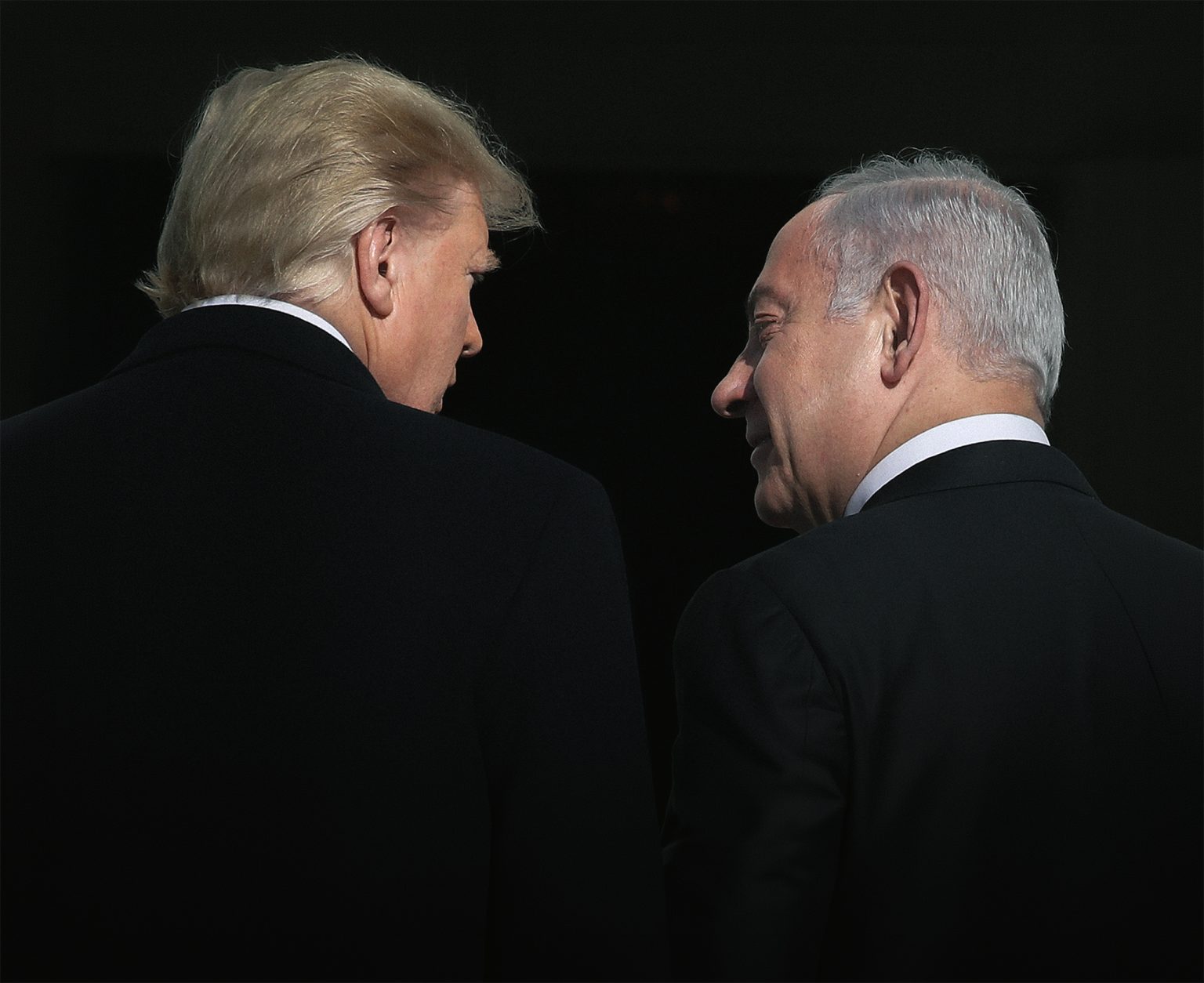
A ceasefire between Israel and Lebanon, which Washington said would also cover the militant Hezbollah movement, took effect late on Thursday. As previously announced by US President Donald Trump, the warring sides agreed to a 10-day truce. But reports of violations followed within hours.
The Israeli security cabinet met on Thursday evening to discuss a ceasefire with the Shiite militant group, which was established in 1982 with support from the Islamic Revolutionary Guard Corps (IRGC). Trump, however, announced the news during a cabinet meeting. Israeli ministers expressed shock and anger that they had learned of the truce from the media rather than from their own prime minister.
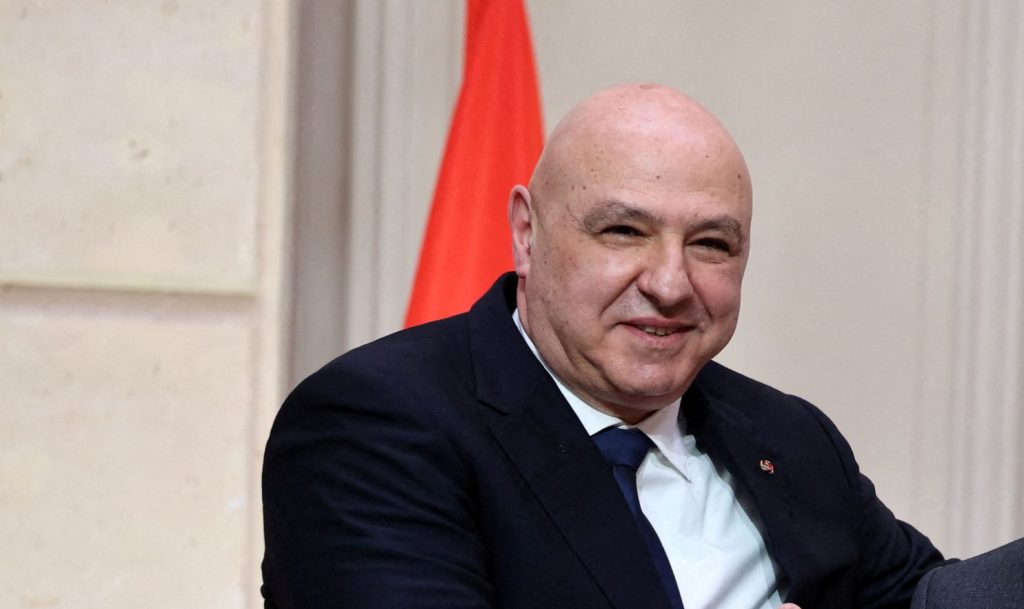
Benjamin Netanyahu had agreed to the ceasefire a day earlier, according to White House sources. Trump said that the Israeli prime minister and Lebanese President Joseph Aoun would meet for direct negotiations within five days at the latest.
Ceasefire Violations Reported
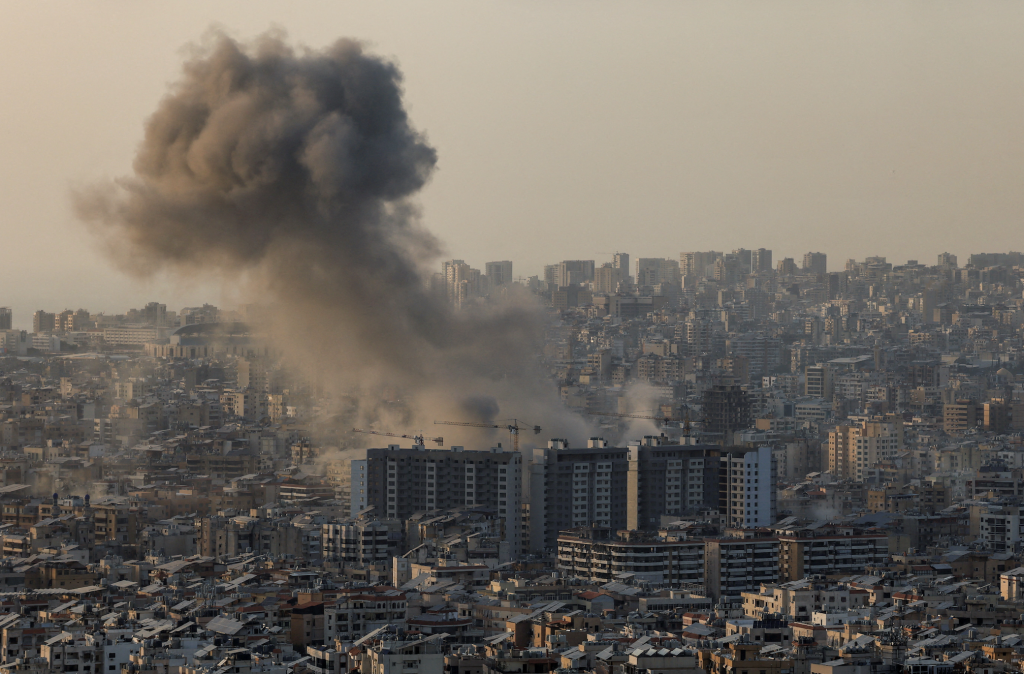
In the final minutes before the truce took effect, the Israeli army and Hezbollah repeatedly shelled each other, with rockets falling mainly on cities such as Haifa. After the ceasefire came into force, however, both sides continued fighting, with the Israel Defense Forces (IDF) destroying houses in Bint Jbeil, Khiam and Dibbin.
The villages lie on the front line and have been used by Hezbollah as a barrier against an Israeli advance. Their devastation has raised concerns about the destruction of civilian infrastructure and possible violations of international humanitarian law.
The IDF continued its attacks, with reports of shelling in several southern villages. After the ceasefire took effect, however, residents began returning home, while celebratory gunfire rang out in Beirut.
Both Hezbollah and Tehran have pushed for Israeli forces to withdraw from Lebanese territory.
According to Trump’s announcement, the IDF, as in previous ceasefires, retained the right to respond immediately. That again requires the presence of ground troops, which were already stretched to the limit before the war with Iran began.
The deployment of troops in the Gaza Strip, security forces in the West Bank and other units in the Golan Heights and Lebanon is causing the Israeli army to run short of personnel, IDF Chief of Staff Eyal Zamir warned at the end of March.
Despite the general’s warning, Defense Minister Yisrael Katz said the IDF would establish a security zone in southern Lebanon similar to the one in the Golan Heights and Mount Hermon. Those plans have been postponed indefinitely as a result of the ceasefire.
The return of civilians to southern Lebanon remains an open question. Katz insists that hundreds of thousands of residents cannot return to their homes until demilitarization is complete and communities in northern Israel are safe.
The war in Lebanon has claimed more than 2,000 lives, including militants and civilians, and displaced more than 1.2 million people.
What the Ceasefire Includes
The warring sides discussed key elements of the ceasefire during a meeting at the State Department in Washington, part of a broader diplomatic effort involving US mediation. US Secretary of State Marco Rubio hosted the ambassadors of Israel and Lebanon on Tuesday, the first meeting in this format since 1993.
Lebanon’s representative, Nada Hamadi Muawad, and her Israeli counterpart, Yechiel Leiter, agreed that Hezbollah poses a security threat to both countries. The Lebanese government said it would intensify efforts to curb Hezbollah’s military activities.
The Lebanese government made it clear that it no longer wants to be occupied by Hezbollah, Leiter said after the talks. He added that the two sides were “on the same side” and had discussed longer-term prospects.
The government led by President Joseph Aoun had already committed to disarming Hezbollah in April 2025. IDF assessments, however, suggest that Beirut lacks the capacity to do so.
The Lebanese presidential office said the meeting aimed to declare a ceasefire and set a date for further negotiations. Leiter, by contrast, said talks would be conducted with the Lebanese government rather than Hezbollah. Beirut, meanwhile, tasked Muawad primarily with negotiating a solution to the dire humanitarian situation.
Trump said on Thursday that the ceasefire with Lebanon would also include Hezbollah.
Sources cited by Haaretz, which reported on the meeting between the Israeli and Lebanese ambassadors in Washington, suggested that Netanyahu was buying time to dismantle Hezbollah while outwardly signalling goodwill towards Trump.
Leiter, for his part, went further by raising the prospect of normalizing relations. Lebanon still does not recognize Israel and, under international law, the two countries have been at war since 1948.
“Israel and Lebanon affirm that the two countries are not at war and commit to engaging in good-faith direct negotiations”, the joint statement said.
“Israel and Lebanon will implement a cessation of hostilities beginning on April 16 2026 at 17:00 EST, for an initial period of ten days, as a gesture of goodwill by the Government of Israel”, it noted.
The period may be extended if Lebanon demonstrates its ability to assert sovereignty over its southern territory. It will “take meaningful steps to prevent Hezbollah and all other rogue non-state armed groups in the territory of Lebanon from carrying out any attacks, operations, or hostile activities against Israeli targets”, the statement added.
“Israel shall preserve its right to take all necessary measures in self-defense, at any time, against planned, imminent, or ongoing attacks. This shall not be impeded by the cessation of hostilities”, it said.
Under the terms of the agreement, Israel will not carry out offensive military operations against Lebanese targets.
Israel and Lebanon asked the United States to facilitate further negotiations “to resolve all remaining issues, including demarcation of the international land boundary, with a view to concluding a comprehensive agreement”.

Israel’s Contradictory Response
On the domestic front, Netanyahu’s coalition faces parliamentary elections on 27 October this year. In the latest polls, the Likud party and its coalition allies have seen a sharp drop in support. If elections were held this weekend, Netanyahu’s coalition would fall short of a parliamentary majority.
That would remove the main obstacle to the resumption of corruption trials against the prime minister. His political survival therefore appears closely tied to developments in the conflicts with Israel’s neighbors.
At the same time, coalition parties are backed by the radical settler movement, which considers the ceasefire with Lebanon a “betrayal”. “This is not a victory ... this is a disgrace and a complete surrender to Iran and the United States”, said Margaliot mayor Eitan Davidi.
A survey by the Israel Democracy Institute revealed deep divisions between residents of northern border areas and the rest of the country. The institute surveyed 502 Hebrew-speaking and 100 Arabic-speaking Israelis between 9 and 10 April.
Only 38% of Jewish Israelis rated the government’s handling of the war positively, according to a Haaretz survey. Separate polling by the Israel Democracy Institute shows similarly sharp divisions over the conflict in Lebanon, with 80% of Jewish respondents supporting continued military action and 66% of Arab Israelis opposing it.
Jewish Israelis in the north, a region regularly exposed to shelling, showed particularly strong support for continued fighting, with as many as 79% backing operations against Hezbollah.
The Israel Democracy Institute poll was conducted at a time when it was unclear whether the Lebanese ceasefire was part of a broader arrangement with Iran. While Tehran and Pakistani Prime Minister Shahbaz Sharif argued that Lebanon formed part of the wider US-Israeli-Iranian conflict and was therefore covered by the truce, the US and Israel rejected that interpretation.
As reflected in the acceptance of Iran’s terms, Trump’s position appeared closer to that of Beirut, at least for the initial 10-day period.