
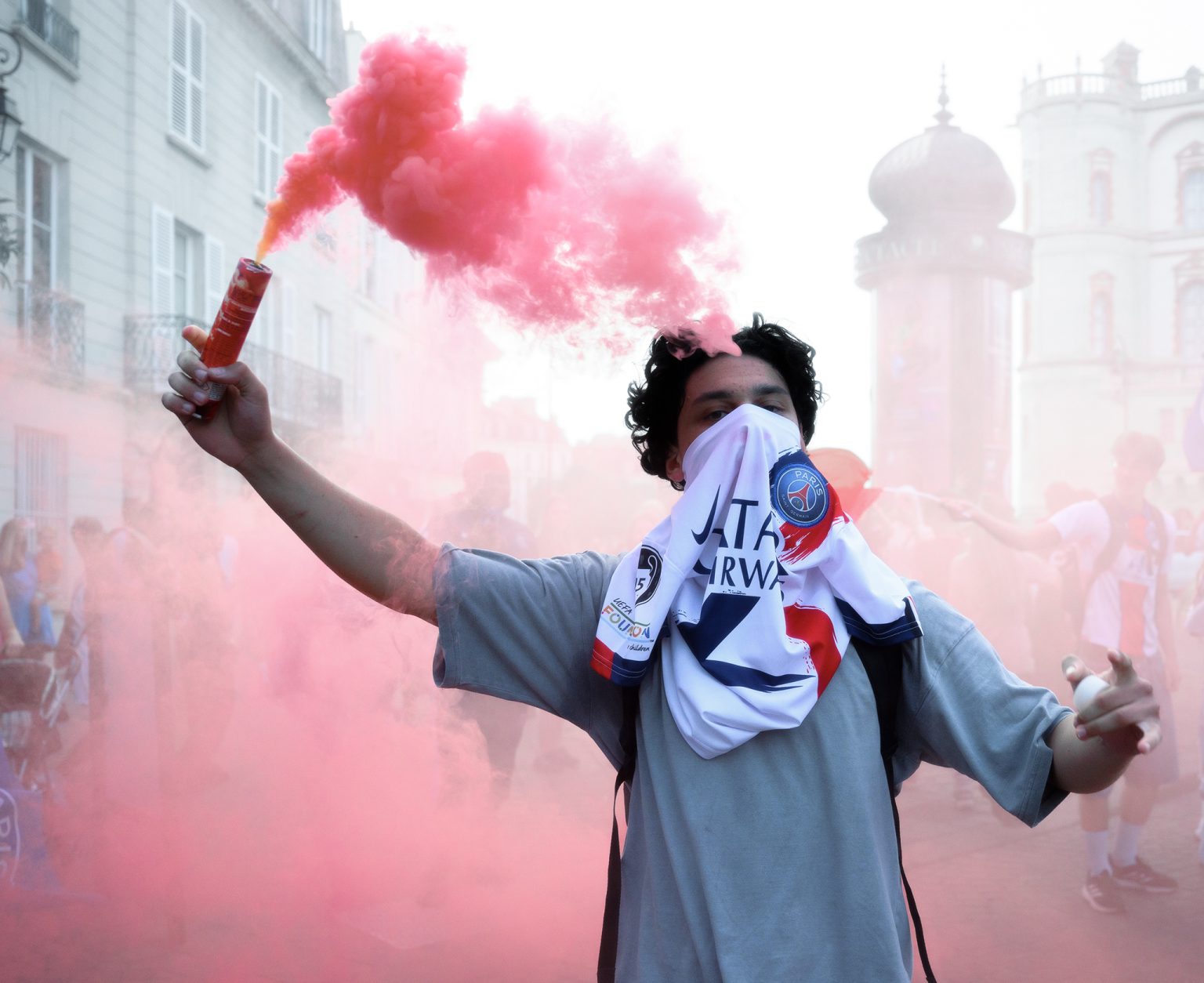
Paris did not celebrate after Paris Saint-Germain’s Champions League triumph. It burned. After the victory over Arsenal, serious unrest broke out in the French capital and in numerous other cities. Cars were set alight, shops damaged, roads blocked and police officers attacked.
According to French Interior Minister Laurent Nuñez, police made 780 arrests across the country, including about 480 in Paris. More than 450 people were taken into custody. The unrest left 219 people injured, eight of them seriously, including 57 police officers.
President Emmanuel Macron announced a tough response against those responsible. “We will be uncompromising with those who were caught”, he said as he honored the team at the Élysée Palace. “We do not want this to happen again. It is over. We have had enough. This must end.”
The authorities had prepared for such scenes. Across France, 22,000 police officers were deployed, including 8,000 in Paris. At the Parc des Princes, 40,000 spectators watched the final at a public screening.
The occasion itself is what makes the unrest politically revealing. PSG had not lost. It had won the greatest title in its history. Yet the triumph still became a national security problem. Violence broke out in about 15 cities, with looting reported in Rennes, Strasbourg, Clermont-Ferrand and Grenoble.
On the Champs-Élysées, masked groups repeatedly clashed with security forces, prompting police to use tear gas. Footage on social media showed burning vehicles, barricades and fireworks launched into crowds.
A country that must mobilize 22,000 police officers for a football final and still ends the night with hundreds of arrests no longer has a normal fan problem.

PSG Carries Paris in Its Name, But Qatar at Its Core
Paris Saint-Germain is officially the team of the French capital. In reality, the club now stands for a different Paris: the banlieues, migrant-dominated milieus and a suburban world only loosely connected to the bourgeois metropolis of boulevards, museums and cafés. On the night of its triumph, it was not the elegant Paris of postcards that appeared, but a France the state has spent decades trying to pacify through social programs, police operations and republican appeals.
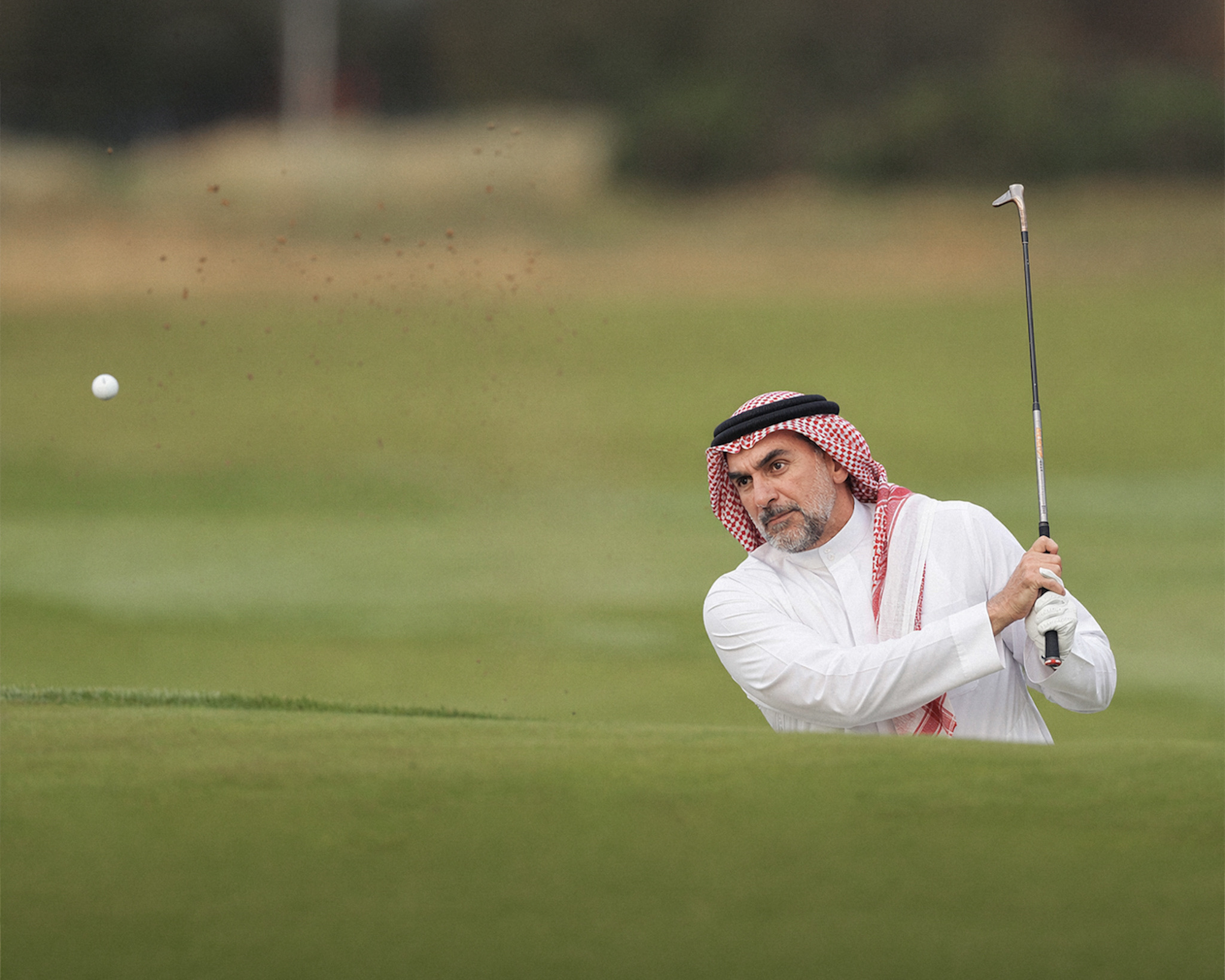
Institutionally, too, PSG has little to do with the classic image of a local club. The club has been owned by Qatar Sports Investments since 2011. Its president is Nasser Al-Khelaifi, a figure from Qatar’s power and media apparatus. A capital-city club has become the global prestige project of a Gulf state. The Parc des Princes may stand in Paris, but the club’s strategic logic has long since moved to Doha.
PSG therefore embodies a new era of football. Clubs are no longer merely clubs, but geopolitical showcases. With PSG, Qatar bought itself visibility, glamour, influence and access to a mass European audience. The global stars, shirts, Champions League campaigns and lifestyle brand serve not only sport, but the international projection of a state that has understood football as an instrument of power.
The result is a club that is successful in sporting terms but culturally uprooted: a global brand, a Parisian backdrop, Qatari money and a suburban migrant identity. In the images from Paris, a particular social world came sharply into view, appropriating the city’s name while retaining little connection to its historic self-image.
The political symbolism around PSG fits the same pattern. Pro-Palestinian messages were visible in the stadium, after PSG supporters had previously attracted international attention with large Gaza and Palestine banners. Football, Middle Eastern symbolism and an anti-Western pose are merging here into a political folklore all their own – and not only the French capital should be watching it with concern.

A Triumph That Exposed a Loss of Control
France has long been familiar with images of this kind. After football matches, elections, police operations and suburban unrest, public space repeatedly descends into violence. The state then responds with force, mobilizes thousands of officers and speaks of republican order. Yet the sheer scale of such operations reveals how fragile that order has become.
The point is not that France was surprised. On the contrary, the state expected violence, mounted a major security operation and still saw the anticipated scenes repeat themselves. That is the real finding: the danger lies not in the exception, but in the routine.

The triumph of a Qatari-shaped club did not prove Parisian unity. It exposed a city that lends out its name while other milieus take over public space.
Paris did not celebrate. Paris was put on display. Paris has fallen.