
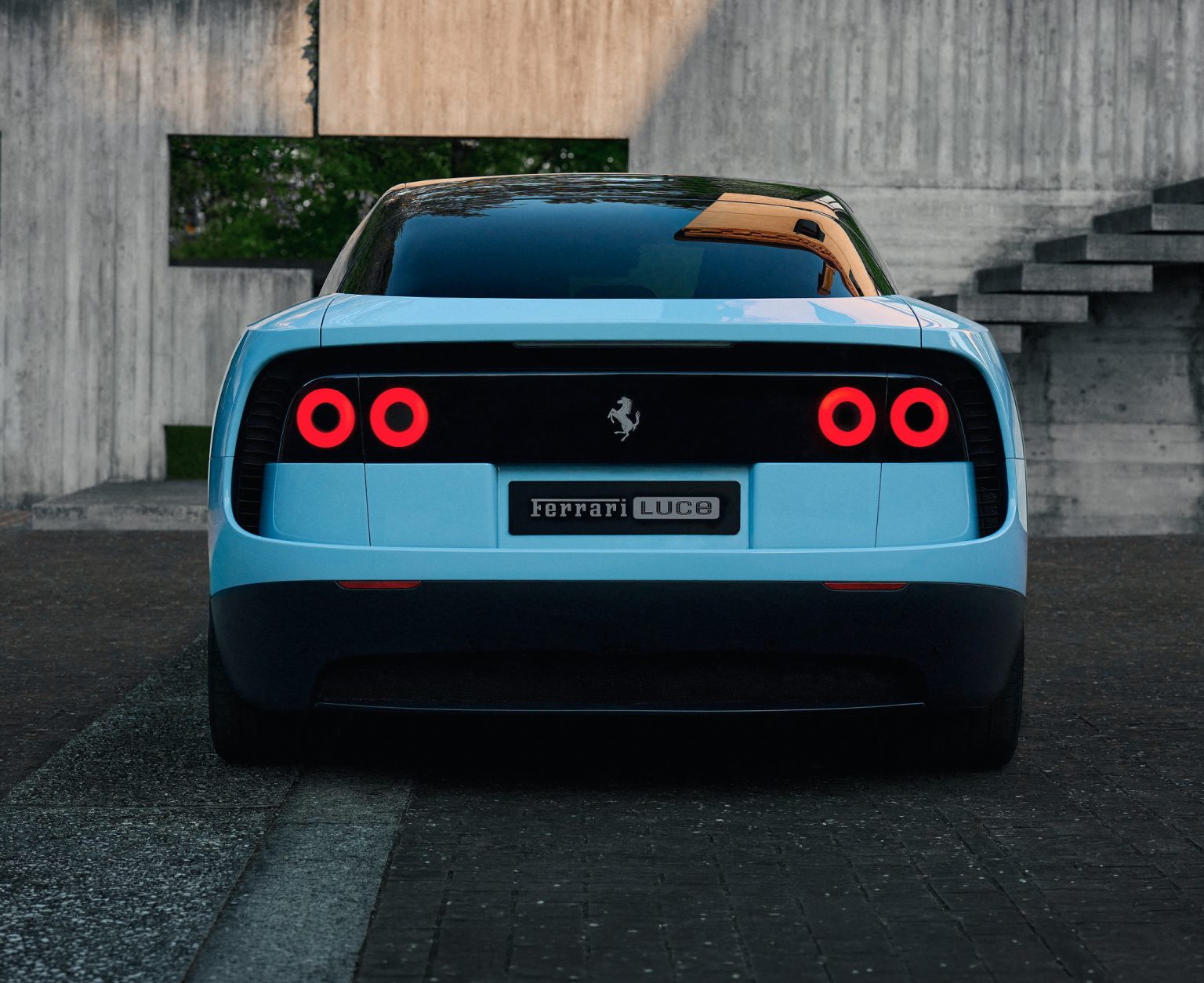
The Ferrari Luce electric car, which has been generating a buzz online, is apparently selling well. Its critics, we are told, have been proved wrong.
This is the latest PR counter-offensive in support of the Italian carmaker, yet that argument will only convince someone unfamiliar with how producers of high-luxury goods actually operate, whether the product in question is a Ferrari or a Birkin bag fetching tens of thousands of euros.
Economic theory has a name for this: tied sales. A firm with monopoly power in one specific market — Ferrari's monopoly is on the "new exclusive Ferrari" — can use that power to push less popular products while simultaneously filtering out the speculators and opportunists who distort the luxury market and erode the monopoly itself. What remains is a core of genuinely loyal, long-term customers.
Ferrari does not need to spell this out. Collectors and wealthy enthusiasts know perfectly well that improving their chances of acquiring a limited-edition F80 means swallowing a bitter pill first. That pill, at present, is the Luce.

By purchasing the Luce, customers signal their loyalty in the most tangible way available to them. That signal translates directly into a higher score on Ferrari's internal waiting-list ranking, placing them ahead of clients who have not made the same commitment.
In standard economic terminology, this is a tying arrangement: the Luce is the tying product and the F80 the tied product, with access to the latter conditional on prior acquisition of the former. The transaction binds the customer to the brand and, in doing so, grants privileged access to the goods that make that binding worthwhile.
Coercive as these practices are, Ferrari's customers accept them without protest. For buyers of highly exclusive, monopolized goods, however, the calculus is straightforward. Non-compliance is not a neutral act. It is a step down the social ladder.
The Luce, in this light, is not really a car purchase. It is the renewal of a membership, entry, or re-entry, into the exclusive club whose members alone stand a chance of driving an F80.
Economists call it costly signaling, and the Luce is a near-perfect example. The buyer has voluntarily spent roughly 15 times the market rate for a comparable electric car, and Ferrari, fully aware of that sacrifice, translates it into a tangible reward: a significant improvement in the customer's waiting-list standing.
Costly signaling is credible signaling. Because the Luce purchase requires a genuine financial sacrifice, it tells Ferrari something reliable about the buyer and gives the company exactly the tool it needs to separate the wheat from the chaff: the dedicated collectors on one side, the casual admirers and speculators who distort the monopolized market and, over time, undermine it.
In other words, the fact that the Ferrari Luce is selling well tells us almost nothing. Ferrari is a brand strong enough to absorb the occasional misfire.
The question is not whether the Luce sells, but what its buyers reveal about themselves in buying it. Too many weak models, and even the most committed collectors would begin to lose faith. For now, Ferrari has salvaged something useful from a commercial misjudgment: a more legible map of its most loyal clientele, and a clearer path to the profits that depend on them.
Text originally published on lukaskovanda.cz.