
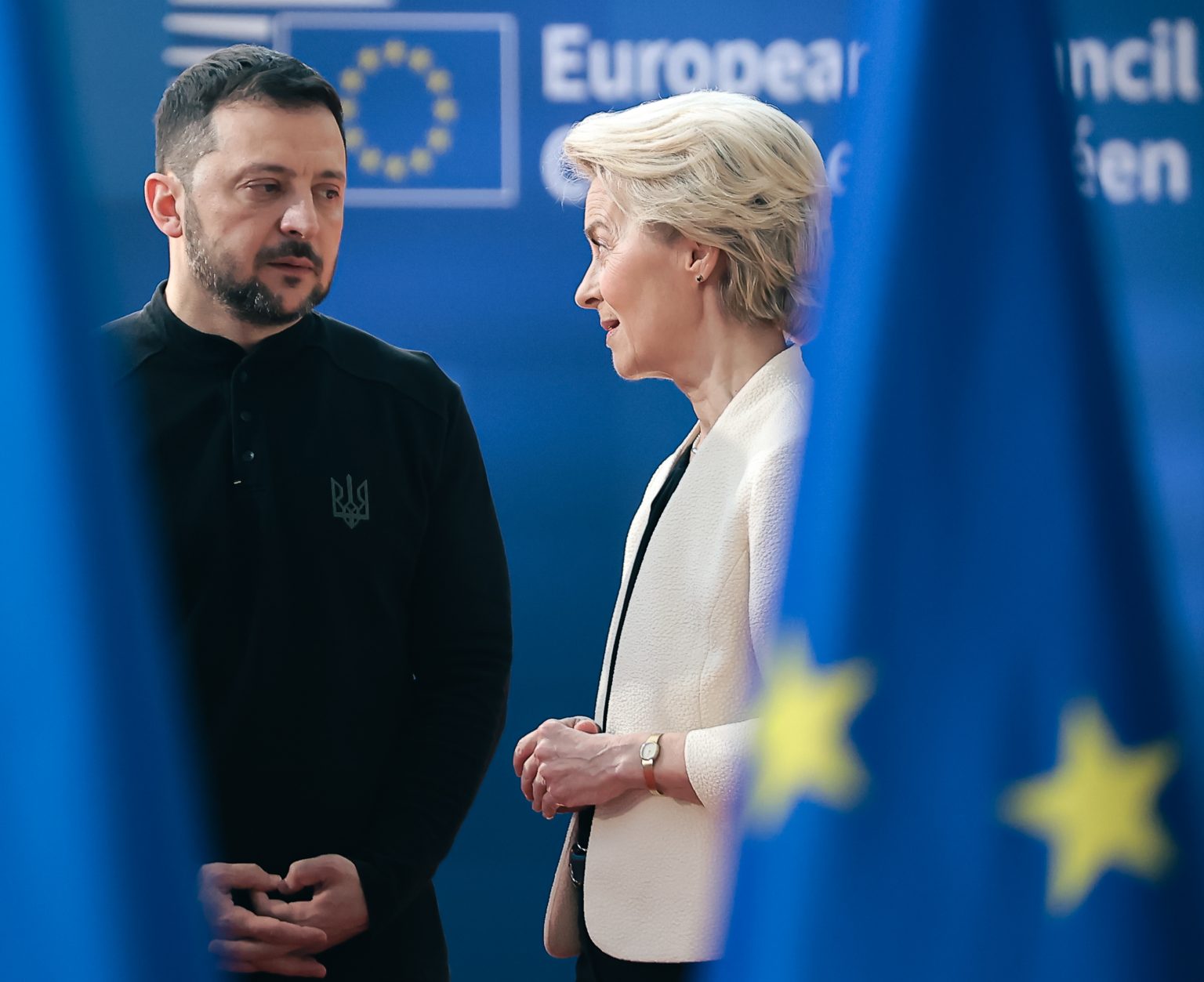
The European Union on Thursday formally approved a €90bn loan for Ukraine and a new package of sanctions against Russia, the Cypriot presidency of the Council of the European Union said on social network X.
“The EU’s strategy to achieve a just and lasting peace in Ukraine rests on two pillars: strengthening Ukraine and increasing pressure on Russia. Today we have made progress on both”, European Council President Antonio Costa said on X.
The Cypriot presidency confirmed on Wednesday that the loan had received preliminary approval, adding that final confirmation would follow through a written procedure within hours.
The funding is intended to cover Ukraine’s most pressing economic and military needs and support its defence against the Russian invasion.
The 20th sanctions package is designed to further weaken Russia’s economy and military capabilities. According to diplomatic sources, it forms part of broader efforts to limit Moscow’s ability to finance the war.
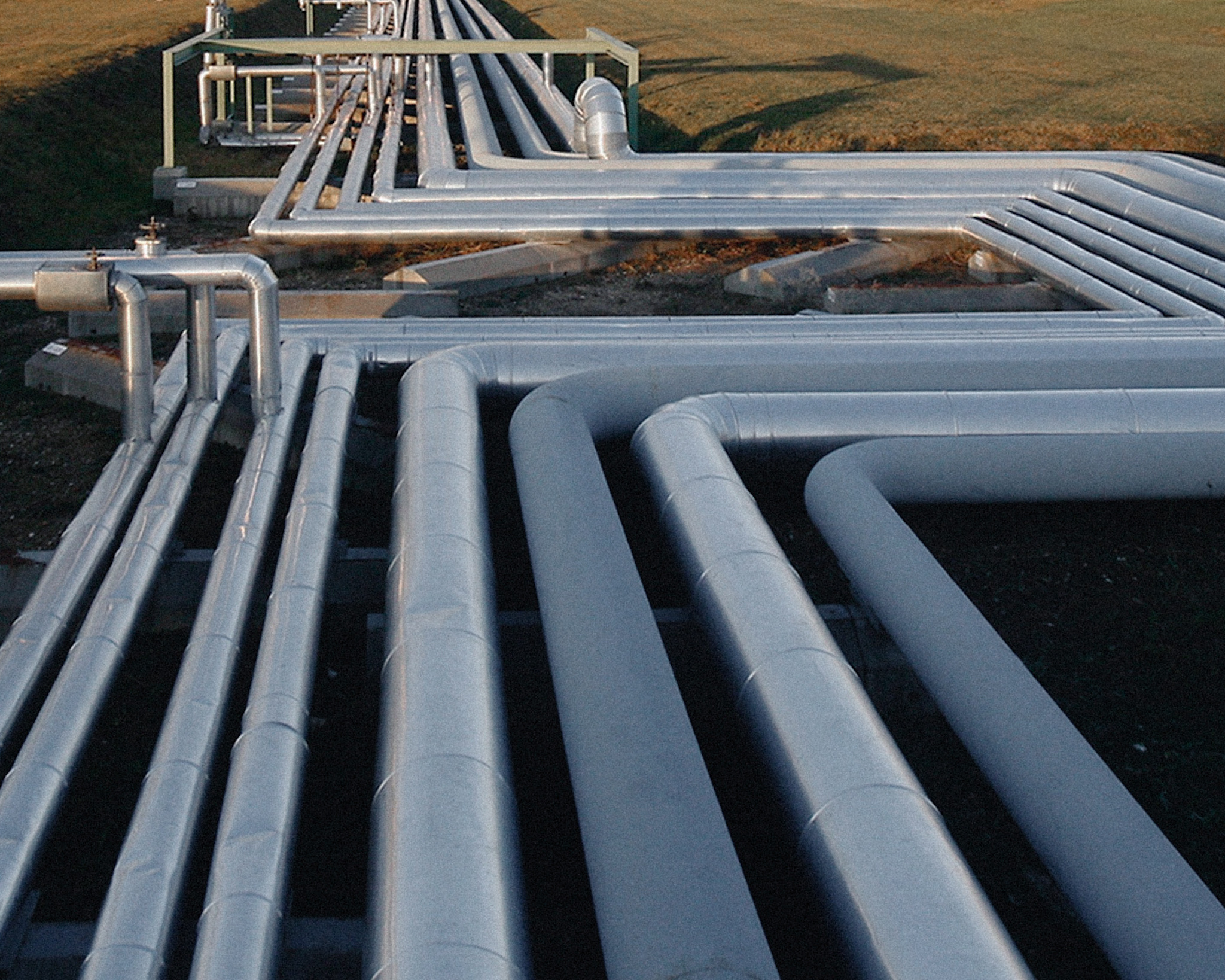
The agreement on the loan was closely linked to a dispute between Kyiv and Budapest over the suspension of Russian oil supplies to Hungary and Slovakia via the Druzhba pipeline. Ukrainian President Volodymyr Zelensky said on Tuesday that the pipeline had been repaired and was ready to resume operations.
At a meeting of permanent representatives of EU member states on Wednesday, Hungary agreed to adopt an amendment to the EU budget regulation through a written procedure.
Slovak Foreign Minister Juraj Blanar said on social network X that he had instructed the country’s permanent representative to the EU not to block the written procedure for adopting the 20th sanctions package, provided oil continued to flow through the Druzhba pipeline without interruption and at agreed capacity.
Slovak Economy Minister Denisa Sakova said on Thursday that oil had begun flowing to Slovakia through Druzhba at 2 a.m.
Hungarian oil company MOL reported that oil deliveries resumed later in the day. “The MOL Group received oil today at the Fényeslitka and Budkovce filling stations. Oil supplies via the Druzhba pipeline system have thus resumed to Hungary and Slovakia after a break of almost three months”, the company said.