
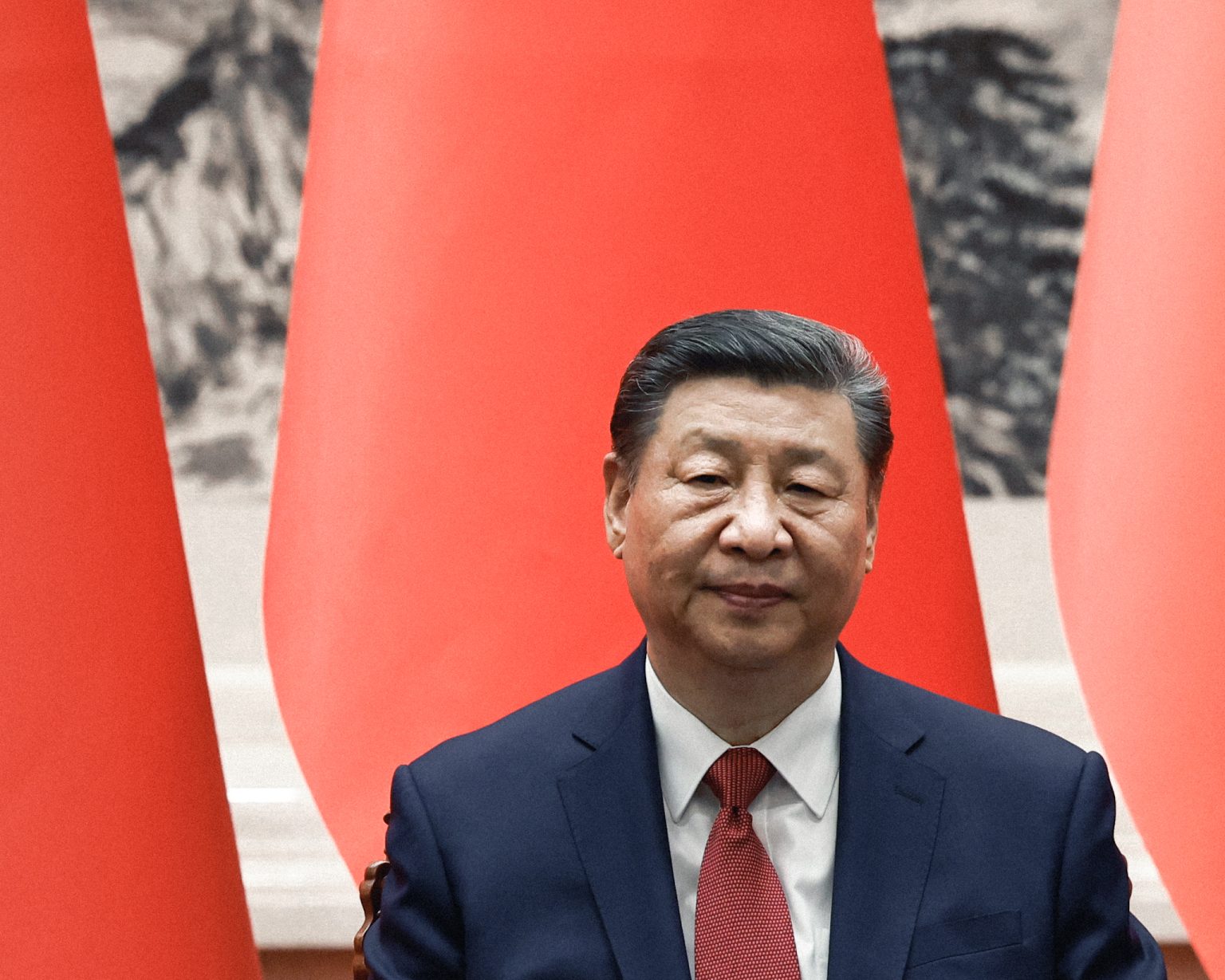
Beijing has reportedly authorized the release of sanctioned Iranian oil reserves, stepping into a level of geopolitical escalation that reaches far beyond the current conflict in the Middle East. According to security sources, large volumes of crude that have been stored for years in Chinese ports are now being brought to market. The proceeds would flow directly into the financing of the Iranian military, in the midst of an ongoing war with the United States and Israel.
The scale is considerable. Around 25 million barrels of Iranian crude were originally stored in the Chinese ports of Dalian and Zhoushan, delivered during the first term of US President Donald Trump. Today, roughly 10 million barrels are said to remain available. Even on a conservative estimate, that amounts to around $1.5bn.
For China, the move is a calculated one. The country is the world’s largest importer of crude, and its industrial base depends heavily on stable energy inflows. Around half of its imports come from the Gulf region, an area currently under both military and logistical pressure. Iran is not only a supplier but a strategic component in a network designed to reduce reliance on Western-controlled markets.
That is precisely where the sensitivity lies. Selling the oil would represent more than economic cooperation. According to Western assessments, control over the reserves now rests directly with Iran’s Revolutionary Guards. Revenues would therefore flow straight into military structures. Beijing would, in effect, become a financier of a belligerent actor under the watch of Washington.
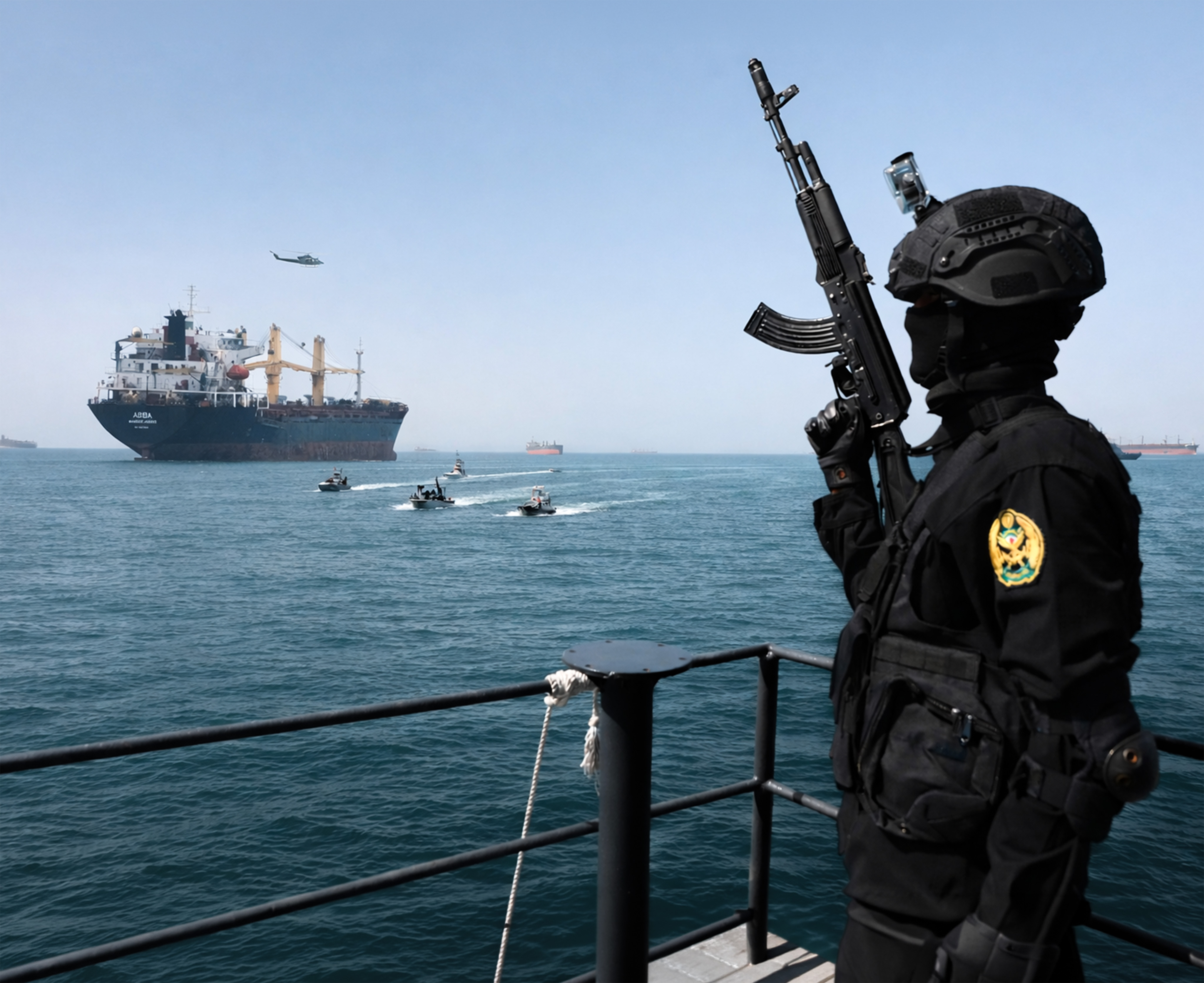
The Struggle for Energy and Influence
The United States has already responded. Treasury Secretary Scott Bessent warned that Washington stands ready to impose secondary sanctions on any actors trading in Iranian oil or facilitating related financial flows. The measures would affect not only banks but also port operators and logistics companies, key nodes in the global trading system.
At the same time, the episode highlights how the mechanics of international sanctions have evolved. Tehran has for years relied on a so-called shadow fleet to obscure the origin of its oil, a model previously developed by Russia. Tankers switch identities, cargoes are transferred at sea and trading chains are deliberately kept opaque. China has so far tolerated the system. Now, Beijing appears prepared to go a step further.
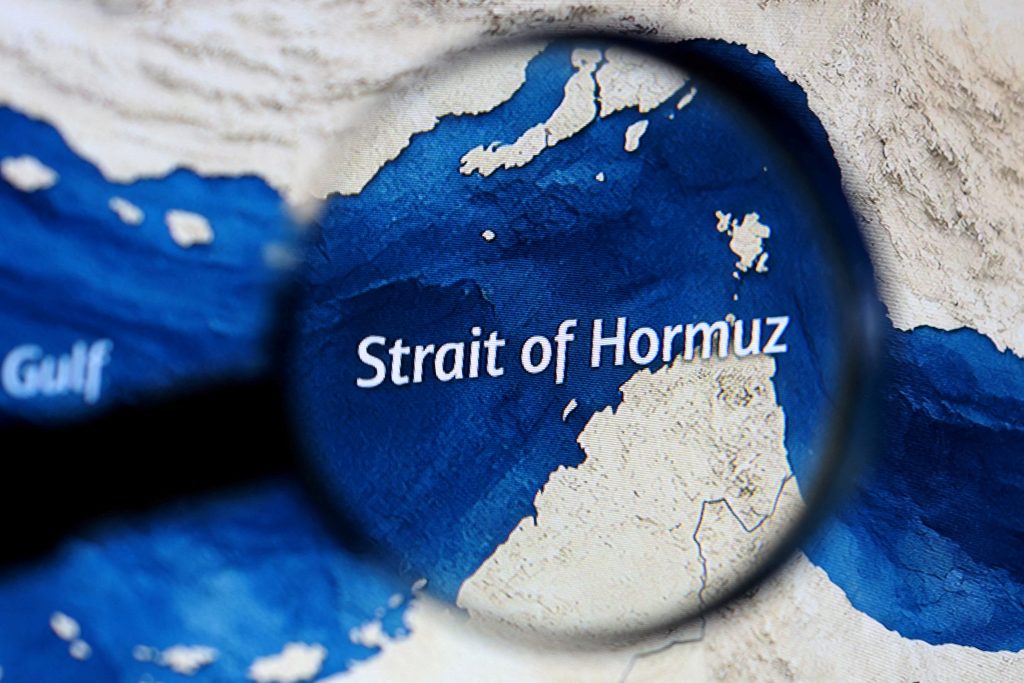
The strategic logic is clear. While the United States seeks to isolate Iran economically, China is indirectly stabilizing the regime in its own interest. Energy supply has thus become a geopolitical instrument. At the same time, traditional suppliers such as Saudi Arabia and the United Arab Emirates are coming under pressure, not least due to attacks on production infrastructure.
Between Diplomacy and Escalation
Against that backdrop, Beijing’s official line appears almost contradictory. Chinese President Xi Jinping has publicly called for an immediate ceasefire and the reopening of the Strait of Hormuz. In talks with Saudi Crown Prince Mohammed bin Salman, he has emphasized the importance of stable trade routes and referred to international law.
In reality, China itself is heavily exposed. The Strait of Hormuz is the central bottleneck for global oil trade and therefore for the supply of Chinese industry. A prolonged blockade would not only drive up prices but also destabilize supply chains. Yet Beijing’s dual-track approach is evident: advocating stability diplomatically while securing alternative supply routes at the same time, if necessary by bypassing international sanctions.
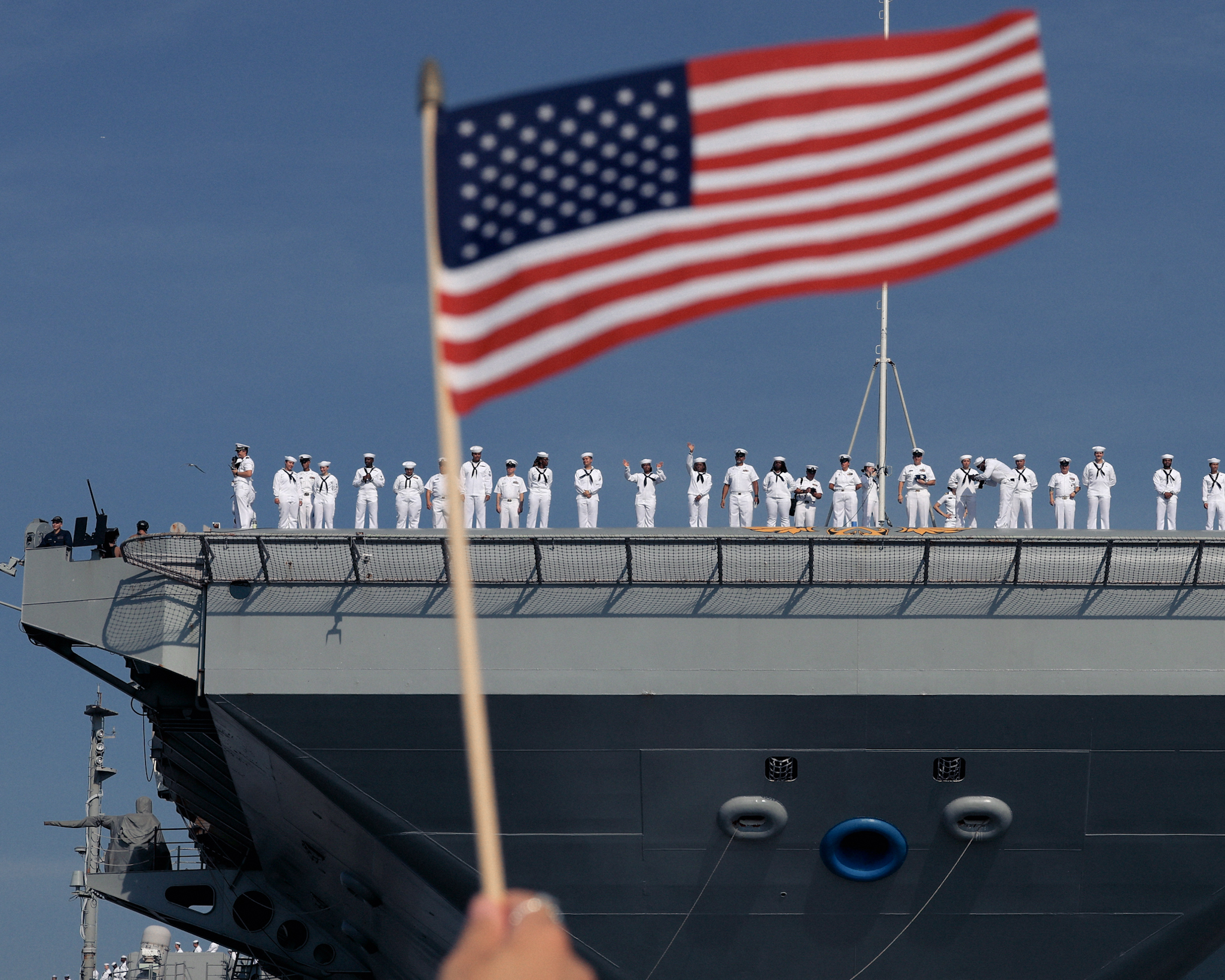
Meanwhile, the situation between Washington and Tehran remains deadlocked. The ceasefire declared by Donald Trump is due to expire, and fresh negotiations remain uncertain. US Vice President JD Vance is expected to travel to Pakistan to explore possible talks. Whether Iran will take part still hinges on a central demand: an end to the American blockade.
The key question is therefore no longer purely military. It is who will retain control over energy, trade routes and financial flows. China has offered its answer, and it is unlikely to go unanswered in Washington.