
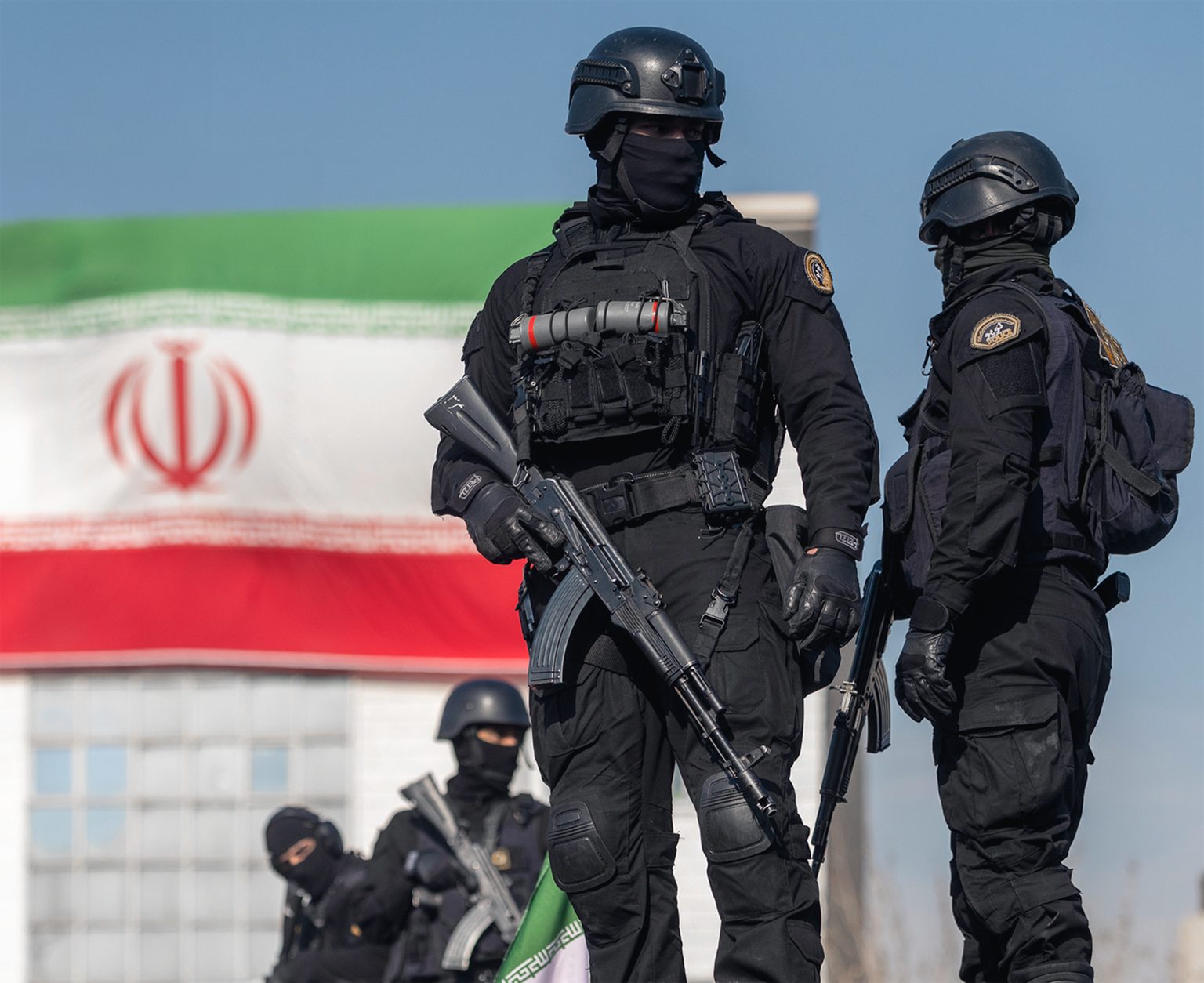
The war in Iran is discussed in European media mainly from the perspective of Europe and the US. Alongside fears of nuclear escalation and dismay at the scale of human and material damage, attention focuses on how the conflict will affect holiday flights, energy supplies, migration and American politics.
However, the war is radically altering conditions across the vast Eurasian continent. In particular, it highlights fundamental differences in the positions and interests of global powers such as Russia, China and India, which are often simplistically perceived as America’s BRICS rivals. At the same time, it reveals the idiosyncratic policies of regional powers such as Pakistan, Saudi Arabia and Turkey, which are likewise often reduced to the role of American allies.
BRICS Divided on Iran
The BRICS grouping, which includes embattled Iran among its members, is often characterized as an anti-Western bloc, or at least as an alternative to Western hegemony. That does not mean, however, that its members align with Iran.
Among the leading BRICS powers, Russia remains closest to Tehran. It has no interest in Iran’s defeat, as that would strengthen the US. The two countries are also cooperating on strategic projects, including in the defense industry, along the North-South transport corridor and in the operation of Iran’s nuclear power plant.
However, the extent of Russia’s support in the current conflict remains unclear. Diplomatic backing at the UN is evident, and Moscow appears to be providing Tehran with intelligence for military planning. Ukraine is already extracting enough from Russia to make another proxy war with the US unattractive.
The conflict has created new opportunities for Moscow. It has diverted US attention from Ukraine and sharply increased global demand for oil and gas, resources Russia can supply in abundance. As an energy exporter, it now holds a stronger position vis-à-vis China and India. Previously, it had been forced to offer steep discounts, while Beijing exerted pressure on prices and India, under US pressure, curtailed purchases. That balance is now shifting.
China Seeks Peace via Pakistan
China’s position is similarly complex. Like Russia, it has no interest in a decisive US victory in Iran. If the US becomes embroiled in a war there that exhausts and damages it, Washington will be diverted from its undisguised priority of containing China.
At the same time, China depends on energy and raw materials from the Gulf, not only from Iran but also from Arab suppliers. Any large-scale destruction there would threaten extensive economic damage at home and weaken China’s position in its strategic partnership with Russia.
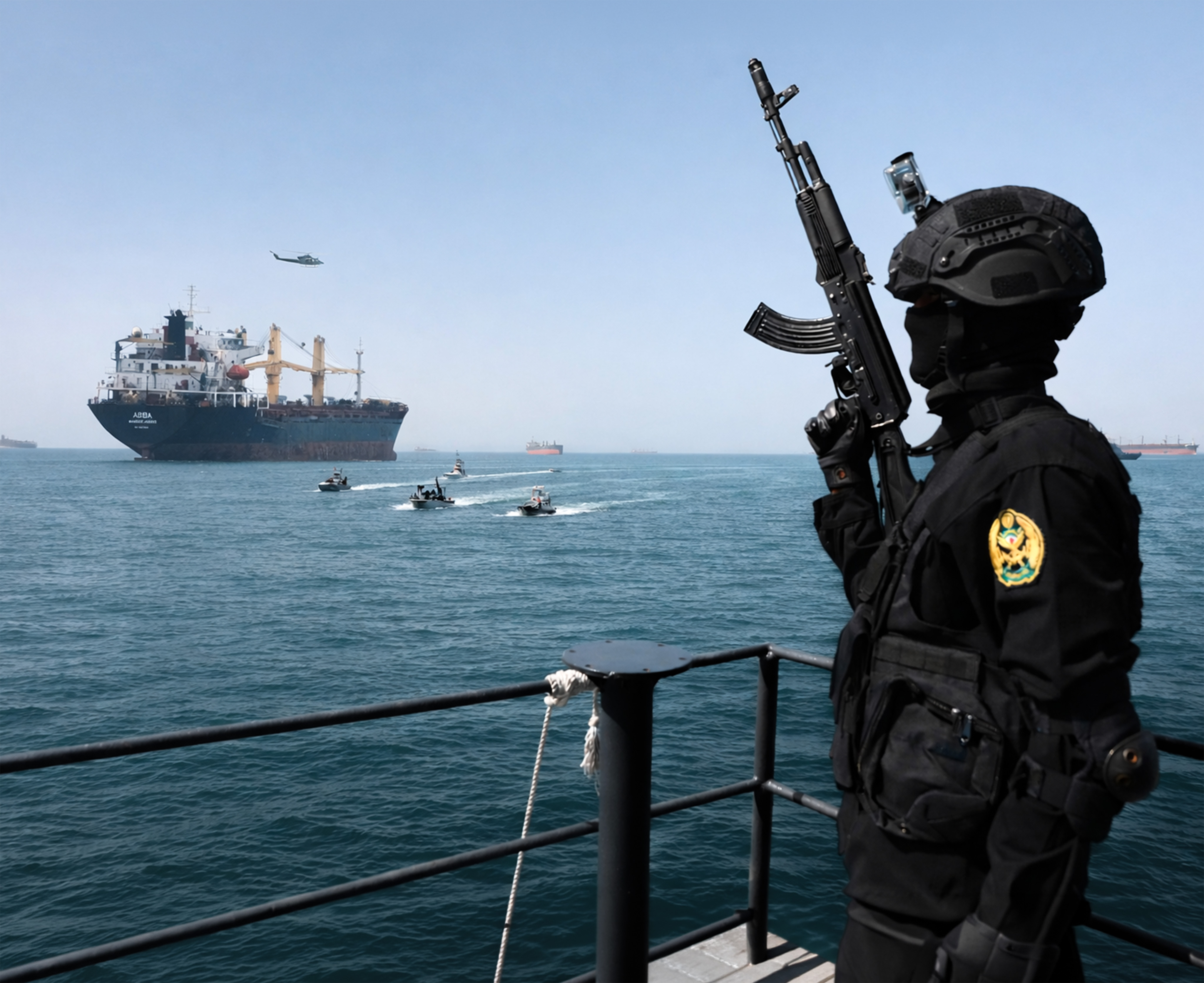
Beijing has therefore backed efforts by Pakistan to broker a ceasefire. It is apparently embarrassed by the Iranian initiative to charge for transit through the Strait of Hormuz in Chinese currency, an idea Americans dismiss as a red herring and one for which China itself appears unprepared.
India Eyes a Larger Role
India faces an even more delicate balancing act. In the final phase of the Biden administration and the early period of the Trump administration, New Delhi has drawn closer to both Moscow and Beijing in some respects, without adopting their more openly anti-American stance. China remains India’s primary security concern, outweighing tensions with the US. At the same time, it has tacitly complied with US secondary sanctions on Russian oil, reducing imports since late last year.
India has also signaled a shift away from its traditional reliance on Russian arms. In February, it announced the purchase of hundreds of French fighter jets. Two days before the US-Israeli attack, Prime Minister Narendra Modi concluded a visit to Israel, reaffirming the strategic partnership between the two countries.
At the same time, India seeks closer ties with Iran. It is developing the port of Chabahar as a strategic hub linking Afghanistan, Central Asia and Russia, allowing it to bypass Pakistan. In the early days of the war, a planned naval exercise with the Iranian navy was under way. As an Iranian vessel returned from the exercise, an American submarine reportedly sank it, with 70 cadets on board.
New Delhi remained silent on the incident, as it did on the conflict more broadly. It probably hoped it could somehow keep quiet about the whole issue. It also welcomed Iran’s decision to allow Indian vessels to pass through the Strait of Hormuz, a route vital not only for oil and gas imports but also for fertilizer supplies.
At the same time, India benefited from Washington’s willingness to tolerate renewed purchases of Russian oil and continued operations in Chabahar under a sanctions waiver. It behaves like a medium-sized country out of its depth in great-power politics, not like an emerging global power that now chairs the BRICS grouping.
There is also unease in New Delhi as Pakistan has moved to the forefront in the aftermath of the conflict. Islamabad has positioned itself as a mediator between the US and Iran, underlining its international reach. At the same time, it maintains ties to both sides, bound by defense cooperation with Saudi Arabia while also hosting a significant Shiite minority with links to Iran.
Pakistan’s ties with Saudi Arabia have become particularly visible. The relationship rests on three pillars: conservative Sunni Islam, Pakistan’s nuclear-armed military and Saudi financial support. Pakistani aircraft reportedly landed at a Saudi base last week, while Saudi Arabia and Qatar extended a $5bn loan to Islamabad. Pakistan is under financial strain after the United Arab Emirates curtailed support, reflecting diverging regional priorities.

An “Islamic NATO”?
The Saudi-Pakistani partnership has at times been described as the nucleus of a broader Islamic military alliance. Its primary adversary would not necessarily be Iran but Israel, which has repeatedly signaled that it views independent Islamic military power as incompatible with its core security interests.
In Ankara, there is a clear sense that if Iran were to be permanently weakened, Turkey could become Israel’s next strategic rival. The future of such an alliance will therefore depend heavily on Turkish policy, despite its NATO membership.
After the wars in Ukraine and Iran, it is difficult to imagine NATO remaining unchanged. At the same time, countries across the global South are shifting their alignments. Existing geopolitical frameworks appear increasingly provisional as the world moves toward a more multipolar order.