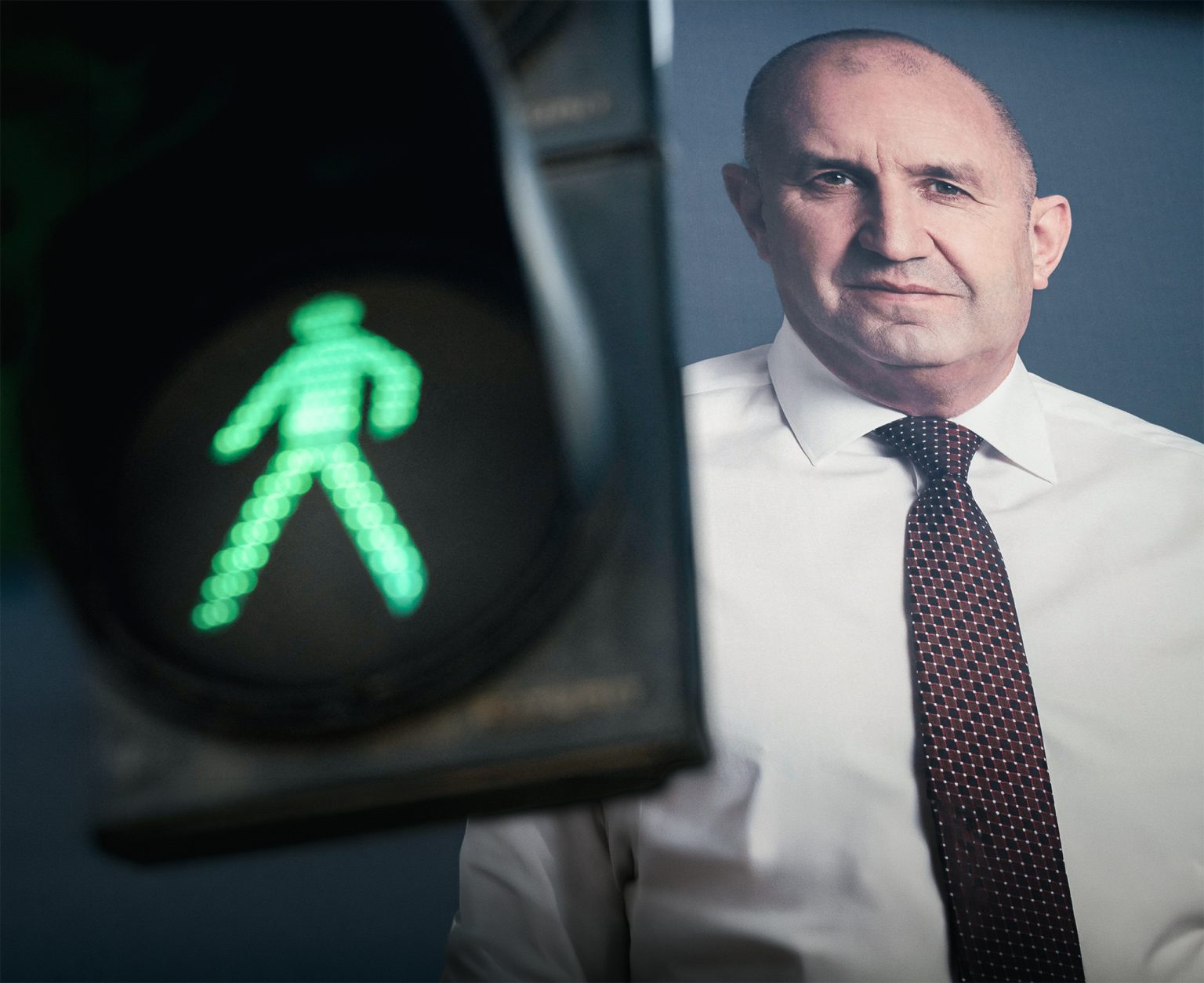
Last Sunday, Bulgarians elected a new National Assembly, with the electoral coalition Progressive Bulgaria (PB) winning a decisive majority. The bloc is led by former president Rumen Radev, who resigned at the end of January and is widely described in the media as pro-Russian.
In a ballot with more than 50% of eligible voters taking part, PB secured 44.73% of the vote, according to exit polls released on Monday morning. The ruling Citizens for European Development of Bulgaria (GERB) party, led by three-time prime minister Boyko Borissov, came second with 13.41%.
Other parties entering parliament include the coalition We Continue the Change – Democratic Bulgaria (12.87%), the Movement for Rights and Freedoms (6.67%) and the nationalist Revival party (4.3%). Other hard-right parties and the Bulgarian Socialist Party failed to enter the National Assembly.
Radev, a retired Air Force major general, had refused to cooperate with GERB ahead of the election. With nearly half of the parliamentary seats, he could attempt to form a single-party government.
From the presidential palace, he has criticized the recent adoption of the euro and expressed scepticism towards both NATO and the European Union, although he has not called for withdrawal. Within the left-leaning PB coalition, some voices have called for an end to aid to Ukraine and increased imports of Russian fossil fuels.
Domestic Politics Takes Center Stage
Radev campaigned primarily against widespread corruption. The previous government, led by Rosen Zhelyazkov, resigned on 11 December after anti-corruption protests. It was the eighth government since 2021, leaving the country mired in political instability. After several inconclusive elections, Radev stepped down and ran in Sunday’s vote.
Borissov has served as prime minister three times. He resigned in March 2013 after protests over high electricity and hot water prices, which later developed into broader anti-corruption demonstrations. He returned to office in November 2014 and governed until January 2017, before resigning and later returning.
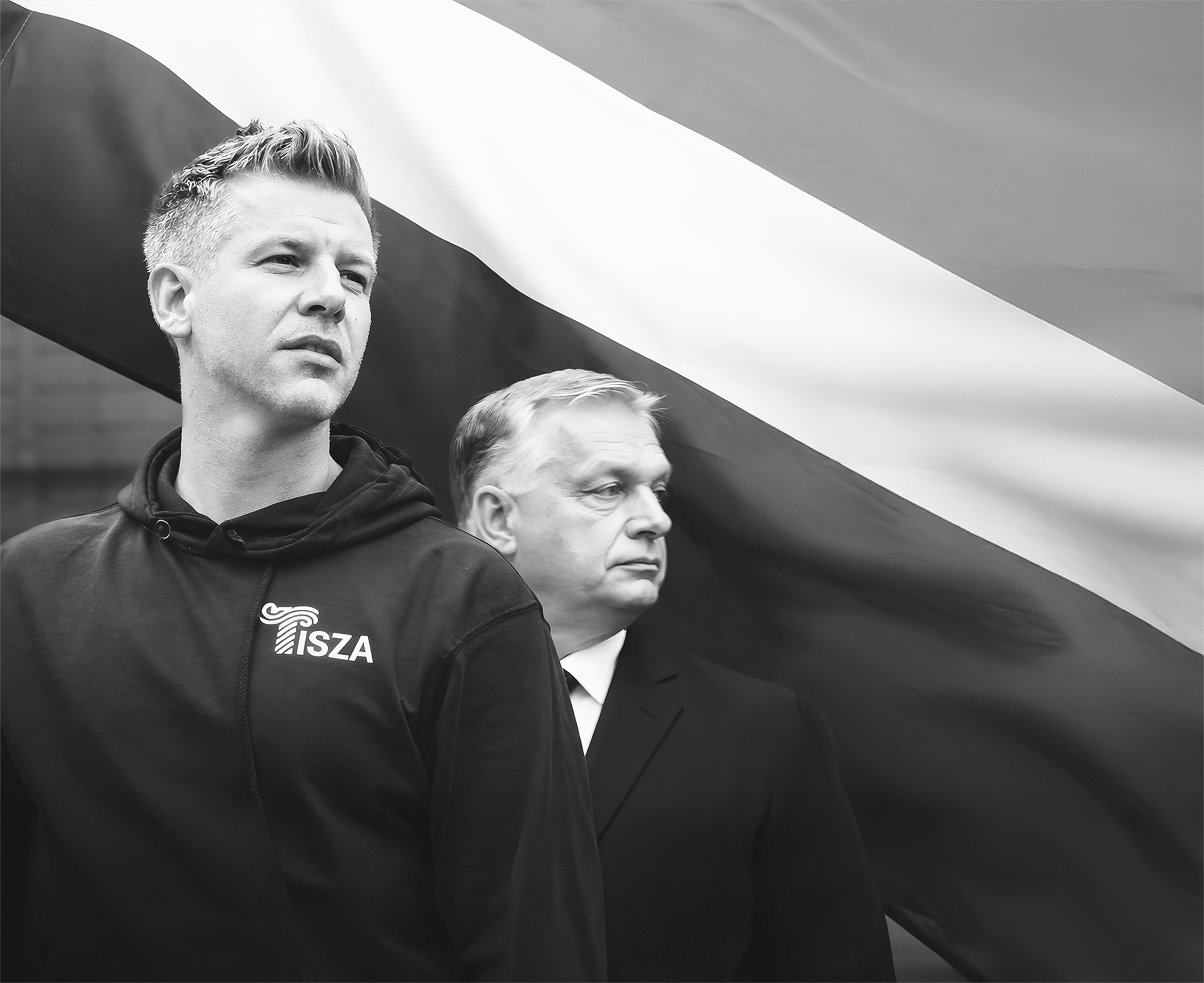
During his time in office, Borissov was an ally of Hungarian Prime Minister Viktor Orban, following whose example he built a fence on the Turkish border in 2015 in response to migration flows from Asia Minor.
But this time, migration warnings were not decisive. Voters focused more on housing, energy affordability and corruption. Bulgarians protested against Borissov in 2013, 2020–2021 and again last year.
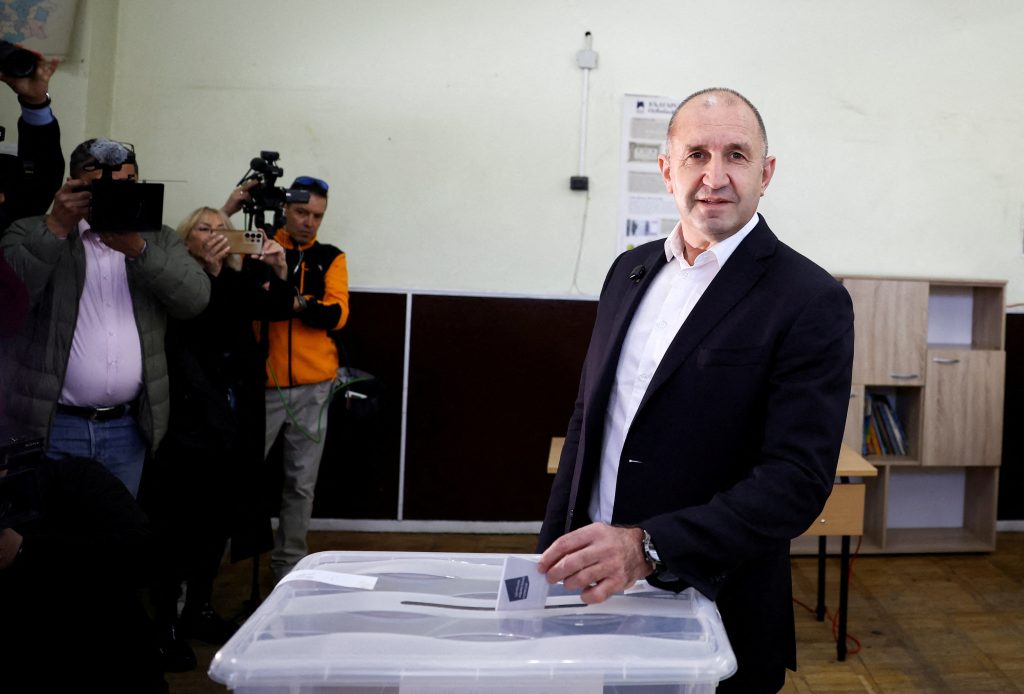
With 60% of votes counted, the Central Election Commission said PB had secured around 45%, translating into at least 132 seats in the 240-member parliament.
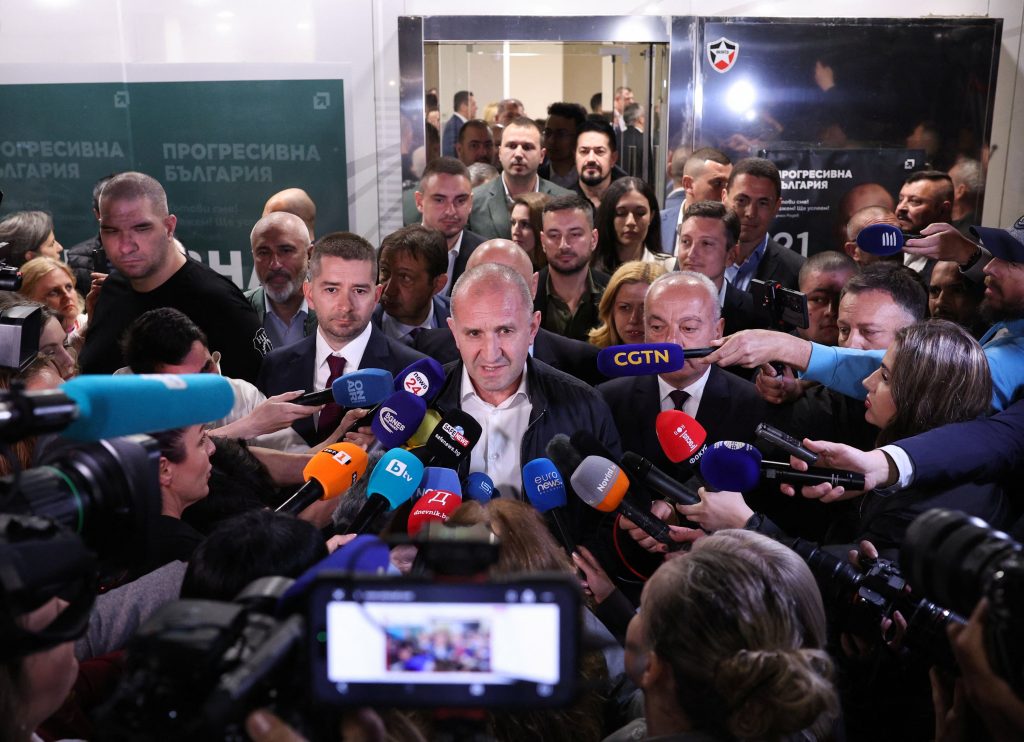
“PB has clearly won – it is a victory of hope over mistrust, a victory of freedom over fear, Radev told reporters in Sofia. Borissov congratulated him but warned that “winning elections is one thing, governing is another”.
A Long-Standing Rivalry
The rivalry between Radev and Borissov has often been described as a clash between different political camps. Radev was nominated by the Bulgarian Socialist Party for the 2016 election and positions PB as center-left. GERB belongs to the European People’s Party (EPP) and presents itself as right-wing.
However, much of the conflict stems from personal and political rivalry following Radev’s victory in 2016, when he defeated GERB candidate Tsetska Tsacheva in the second round. Borissov resigned soon after but returned to power following a snap election.
Borissov has faced long-standing allegations linked to organized crime and the use of force by police. Reports have cited contacts with figures such as Milcho Bonev, who led the SIC syndicate in the 1990s. Serbian criminal Sreten Jocic, later sentenced to 15 years in prison, was also reportedly involved in meetings concerning appointments within the interior ministry.
This testimony was presented in court in 2011 by Bonev’s former bodyguard, Vasil Kostov. Borissov later became the ministry’s top secretary. Security for Bonev was reportedly provided by the company Ipon-1, founded and previously headed by Borissov.
“Borisov’s years as a ‘security specialist’, starting in 1991, have been the subject of rumours and suspicions that have never been fully debunked. In those chaotic years, security agencies often acted as front organisations for organised crime and engaged in extortion”, the Italian analytical website Osservatorio Balcani e Caucaso noted.
In 2013, Borissov was summoned by the military prosecutor in connection with the 2003 killing of businessman Todor Todorov, after the European Court of Human Rights ruled that the operation had been disproportionate. Police used a grenade launcher during the arrest, killing the suspect.
In November 2019, Radev refused to appoint Prosecutor General Ivan Geshev, who was reportedly backed by government institutions but not civil society. The Supreme Judicial Council elected him again as the sole candidate, forcing the president to confirm the appointment.
Geshev later released an alleged recording of Radev and sought to lift his presidential immunity via the Constitutional Court, triggering protests against both his office and the Borissov government.
Allegations of links to organized crime, excessive use of force, corruption, economic stagnation and low living standards have shaped Borissov’s political legacy. Despite resigning twice, he has repeatedly returned to power. It remains unclear whether he will manage to do so again.