
The Iranian conflict has long since ceased to resemble a classic chess game. Alongside Iranian patience, there is an Israeli information war and an American willingness to change the rules on the fly. The result is an opaque clash in which each actor bends reality to its own advantage.
There is no easy winner in this conflict. The number of dead, the material damage, and the military costs are obscured by a fog of information, and official figures themselves are part of the battle. The search for a single measure of success is therefore a trap. Each actor is pursuing a different objective.
Iran's Survival Strategy
Let us start with Iran, which has one enormous strategic advantage over its adversaries: a completely straightforward objective. It wants to survive. If the Tehran regime emerges from the current crisis in any form, it will present this domestically as an absolute victory. It can rely on the narrative that it did not initiate the aggression and is merely defending itself asymmetrically.
This simplicity of purpose is accompanied by complex diplomatic manoeuvring. The ayatollahs are engaged in a form of bait and switch, which allows them to take greater risks than their opponents. Collateral losses or economic damage are secondary concerns. Defeat would mean the definitive end of the regime. Those who have nothing to lose can afford to sacrifice anything.
Iran has two major advantages. The first is time. The regime is psychologically prepared for a prolonged conflict, and external attacks have helped to consolidate domestic cohesion. As in the early stages of the war in Ukraine, part of the population has set aside internal tensions in the face of external pressure and rallied behind the government. For Tehran, this is crucial. Prolonged tensions entrench the regime, while a rapid peace could return demonstrators to the streets.
The second advantage is resilience. In any potential negotiations, Iran is not seeking a temporary ceasefire. It does not want another short pause that merely postpones the conflict. Tehran is aiming for long-term survival and therefore requires a more durable settlement.
Until such an outcome is achieved, it is prepared to wage a war of attrition. Its resources are not unlimited, but it possesses something the West lacks. After decades of sanctions, its population is accustomed to enduring severe material hardship. The opposite is true of Western democracies.
Tehran understands that the prospect of expensive oil and rising inflation is a political nightmare from Europe to the US. At a time when Western voters often decide elections according to their economic circumstances, global economic anxiety is one of the most powerful tools Iran currently holds.

Israel's Game with Chaos
In Israel’s case, the situation is considerably more complex, particularly regarding its strategic objectives. The initial and most ambitious aim was clear: to overthrow the Iranian regime. The New York Times recently provided a detailed account of how Benjamin Netanyahu persuaded Donald Trump to strike.
The key arguments centred on the alleged weakness of the Tehran government and the assumption that eliminating its leadership would cause the system to collapse rapidly. Whether this reflected targeted disinformation or a serious miscalculation by Israeli intelligence services, which have demonstrated deep penetration of the Iranian system, is difficult to determine. What is clear is that Israel has so far failed to achieve this ultimate objective and may not succeed at all.
Yet this does not necessarily concern Israel. Alongside its maximalist goal, it pursues a more pragmatic one: to weaken Iran as much as possible and delay its economic recovery. Here, the interests of both sides paradoxically intersect, as Tehran and Tel Aviv are now, in different ways, benefiting from the continuation of the conflict.
A third Israeli objective is the deliberate cultivation of regional instability. The longer the conflict endures, the more likely Iran is to resort to asymmetric attacks on the oil-producing monarchies. Israeli intelligence services have repeatedly demonstrated their ability to operate effectively in such conditions. A secondary effect is that the Islamic world is unlikely to unite against Israel.
At the same time, the conflict is reshaping the balance of power in the Gulf. Qatar and the United Arab Emirates are among the losers. The closure of the Strait of Hormuz and attacks on infrastructure are undermining both revenue and stability. By contrast, Saudi Arabia, with its strategic depth and alternative export routes, is better positioned to continue oil sales and may emerge as an even more important partner.
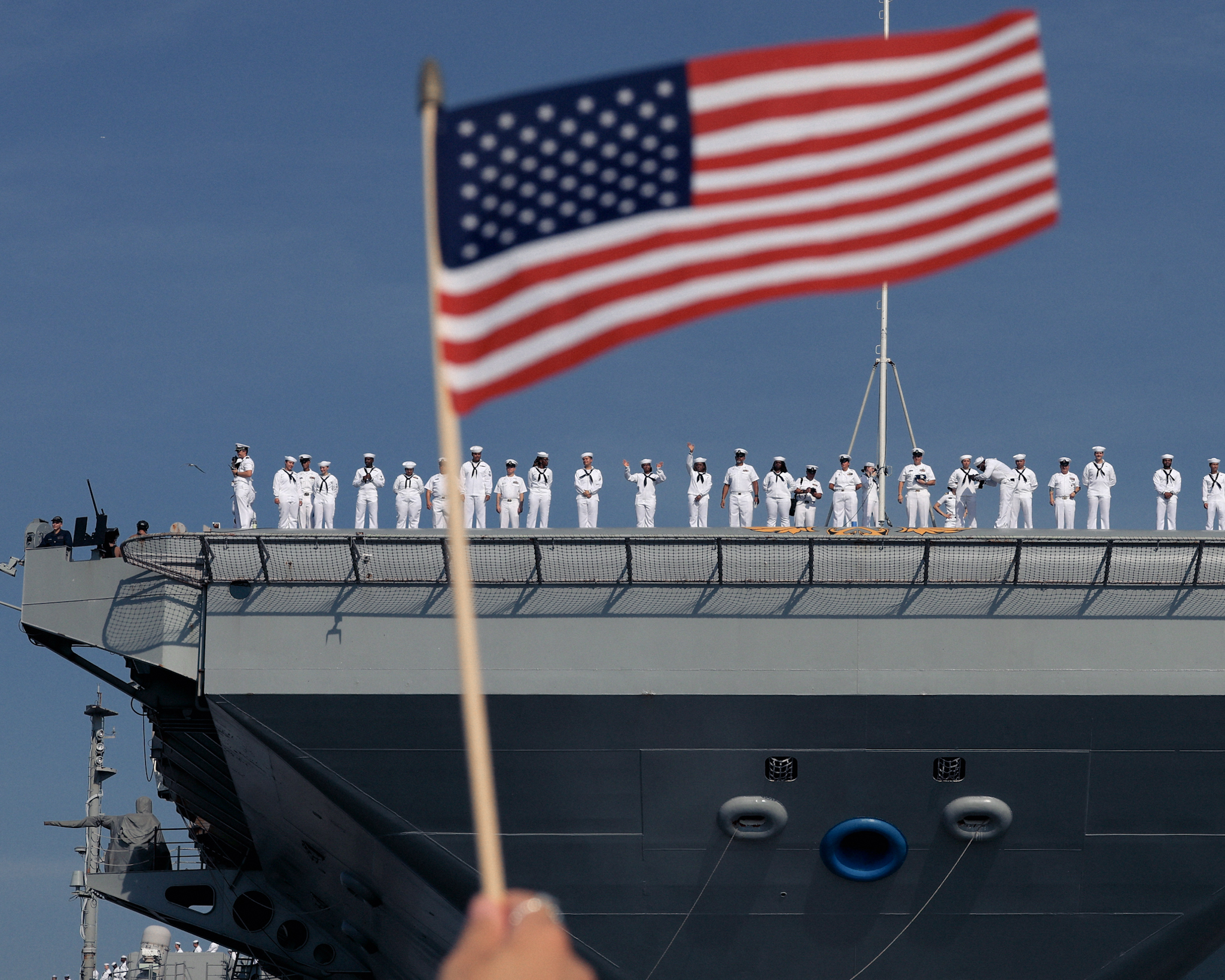
The Erosion of American Influence
Although the United States remains the strongest actor on paper, its position is weaker than it appears. Trump faces acute time pressure. What was intended as a rapid demonstration of strength risks becoming another Middle East quagmire.
His primary constraint is domestic. Rising gasoline prices could offset any macroeconomic gains the US enjoys as an energy exporter ahead of November’s midterm elections.
This difficulty is compounded by the composition of his team. Trump has surrounded himself not with regional experts but with loyalists. This approach may work in business, but it is ill-suited to the complexities of Middle East politics. Moreover, part of his core MAGA electorate is beginning to drift away, frustrated by unfulfilled promises and perceived dependence on Israel.
Trump therefore needs to demonstrate control over the conflict. Yet Israel is pursuing its own agenda, and Washington can offer Tehran few credible guarantees that it will restrain its ally. One of the few effective levers available remains the potential restriction of key missile supplies for missile defence systems, but it is unclear whether Trump can deploy this tool politically.
Domestic constraints are compounded by harsher geopolitical realities. The US faces a deeper problem than the approaching elections. The international order it helped construct after the Second World War is steadily eroding.
American security guarantees, long relied upon by the Gulf states, have lost much of their credibility. At the same time, tens of thousands of American soldiers and diplomats in Iraq have become vulnerable targets for Iran-backed Shiite militias. If Tehran is pushed into a corner, Iraq may become the arena in which the US pays the highest price.
While the United States risks falling into a geopolitical trap, Israel is managing regional instability, and Iran is engaged in a prolonged struggle for survival. It may be tempting to view China as the quiet beneficiary of this situation. That, however, would be a mistake.
In the spirit of the Asian game of Go, which emphasizes long-term positioning, Beijing may be observing from the sidelines, but it does not control the situation. It lacks the ambition, the military capacity and the willingness to replace the diminishing US security umbrella with its own structures.
The likely outcome of this crisis is not a gradual transfer of power to a new global leader, but something more volatile: a return to a world in which power prevails over rules, where the old order has weakened but no new system has yet taken shape.