
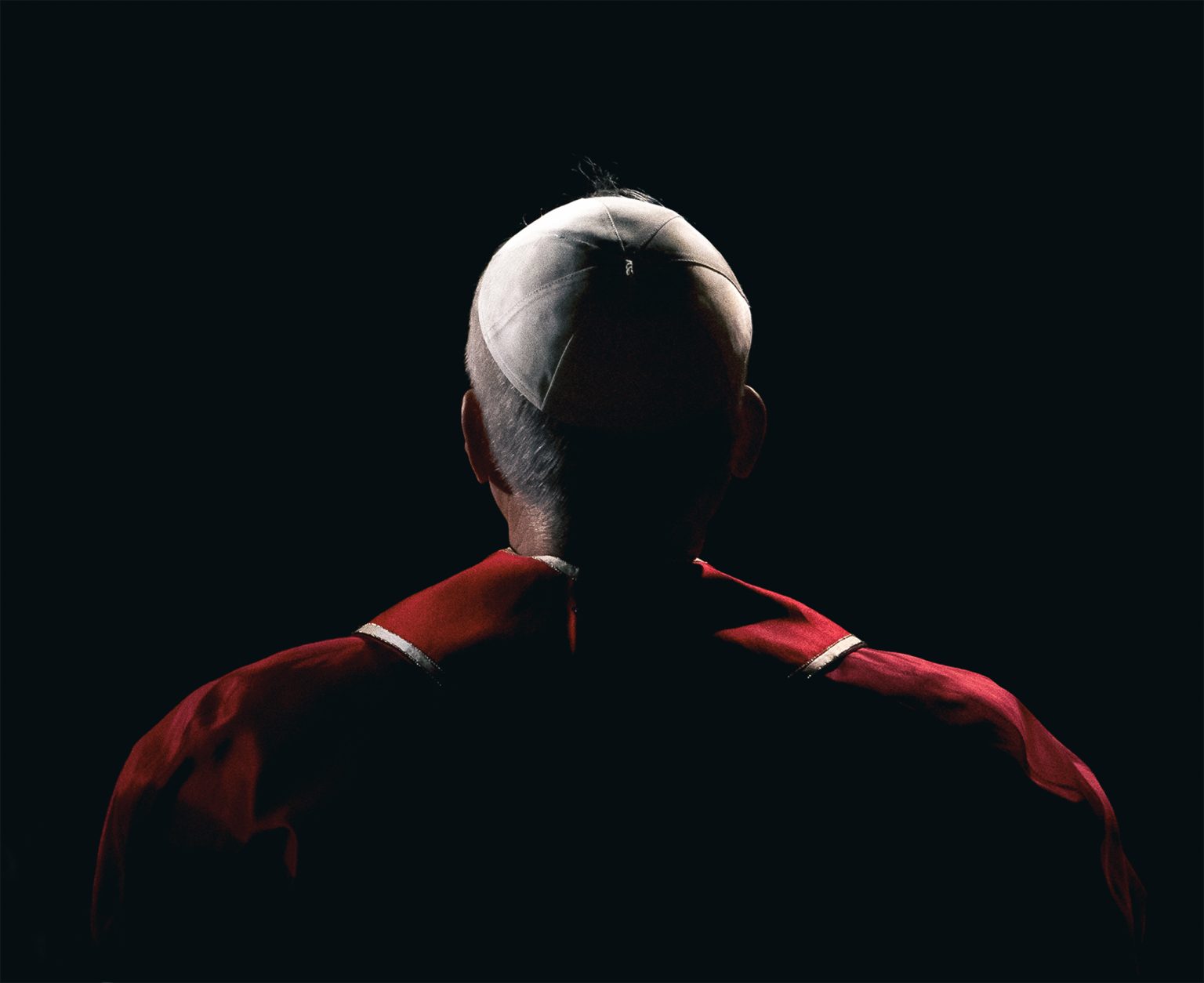
On one side stands political power, embodied by the US administration. On the other is the spiritual authority of Pope Leo XIV, who has consistently called for peace and rejected violence.
This contrast has come to define a growing controversy that has spilled well beyond just the Pope and Donald Trump.
US Vice-President JD Vance responded sharply to the Pope’s position, telling Fox News: “In some cases it would be best for the Vatican to stick to matters of morality.”
The remark carries an inherent paradox. It is precisely on moral grounds that the Pope speaks when he condemns war and killing.
Vance went further, questioning the substance of Leo’s argument about God and violence. “How do you say that God is never on the side of those who wield the sword?” He then used historical examples of World War II to relativize the Pope’s call for nonviolence, concluding by saying that those who disagree either do not understand history or they do not understand God.
Pope Leo XIV approaches war from a fundamentally different perspective. He does not assess conflicts through the lens of geopolitics, but through their human cost. His statement about God is not a historical argument, but a moral appeal: that humanity should learn from the past and reject violence as a means of resolving conflict.
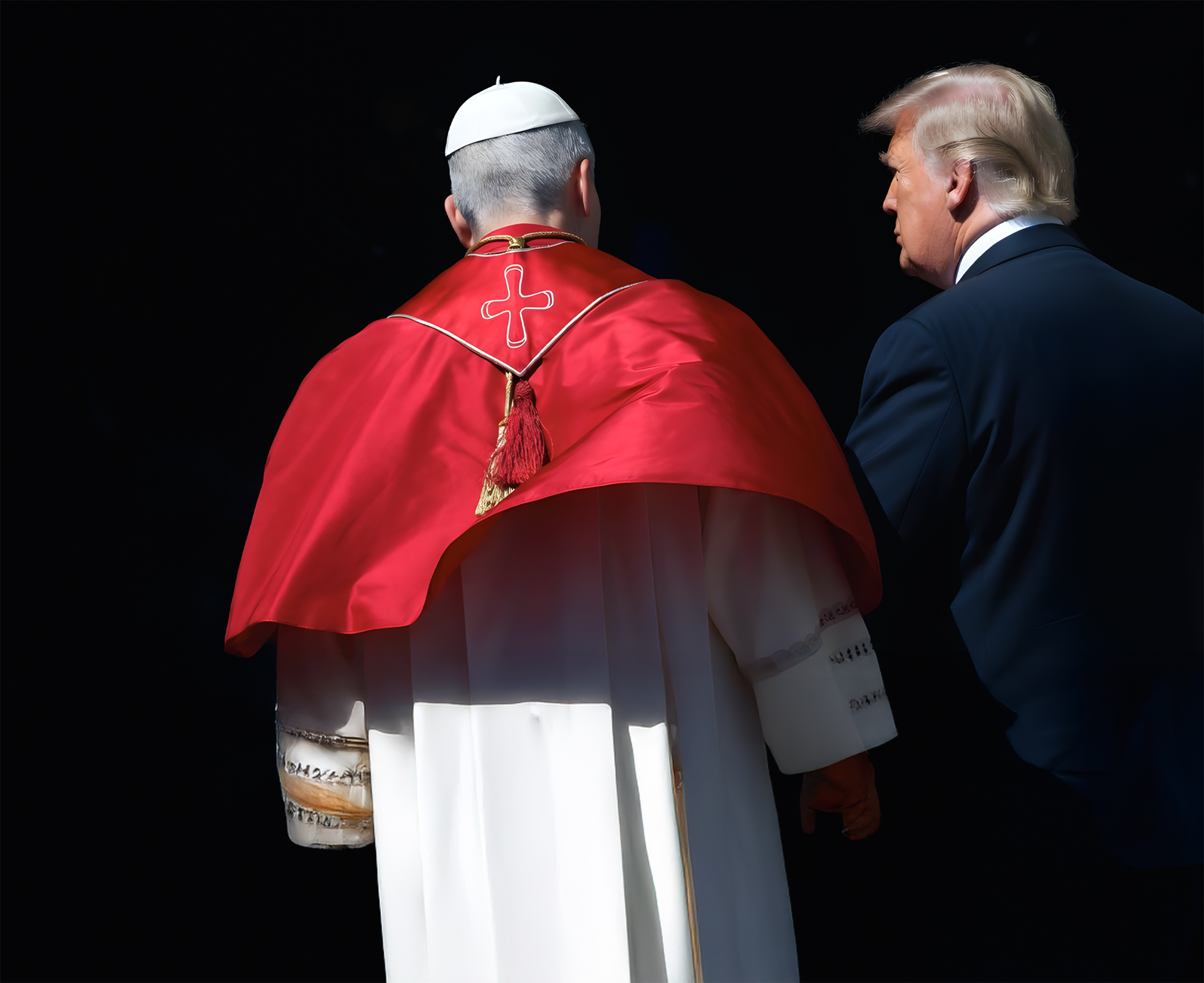
Trump Escalates the Confrontation
Donald Trump has gone further still, refusing to soften his rhetoric and instead intensifying his criticism of the Pope.
On his Truth Social platform, he wrote: “Will someone please tell Pope Leo that Iran has killed at least 42,000 innocent, completely unarmed, protestors in the last two months, and that for Iran to have a Nuclear Bomb is absolutely unacceptable.” He had earlier described the Pope as “weak” on crime and “terrible” for foreign policy.
Such language marks a rare and direct attack on the head of the Catholic Church, breaking with a long-standing tradition of mutual restraint between political and spiritual authority.
In response, several voices have moved to defend the Pope. The Slovak Bishops’ Conference issued a statement expressing clear support, stressing that “the spiritual and moral authority of the Pope is not governed by the logic of political confrontation, but by fidelity to the Gospel”.
Italian historian Massimo Faggioli sees the controversy as a turning point. “The bishops and Catholic elites around Trump are now forced to take a clear position”, he told Kirche und Leben. Whether this will lead to a lasting shift in the stance of the US Conference of Catholic Bishops remains uncertain, he added.
What is already clear, however, is that the dispute has strengthened support for Leo XIV. “The bishops have clearly and visibly stood behind Pope Leo. Paradoxically, it was this controversy that strengthened the alliance between most American bishops and the Pope”, Faggioli said, contrasting it with the period under Pope Francis.
Writing in Avvenire, he went further, suggesting that the attack could mark “the beginning of the political end” of the US president. In his view, Trump has crossed a line by targeting the Pope so directly.
Faggioli also argues that parts of the religious right are beginning to question their alignment with Trumpism. After an initial shock, he suggests, conservative intellectual circles may gradually shift towards resistance.
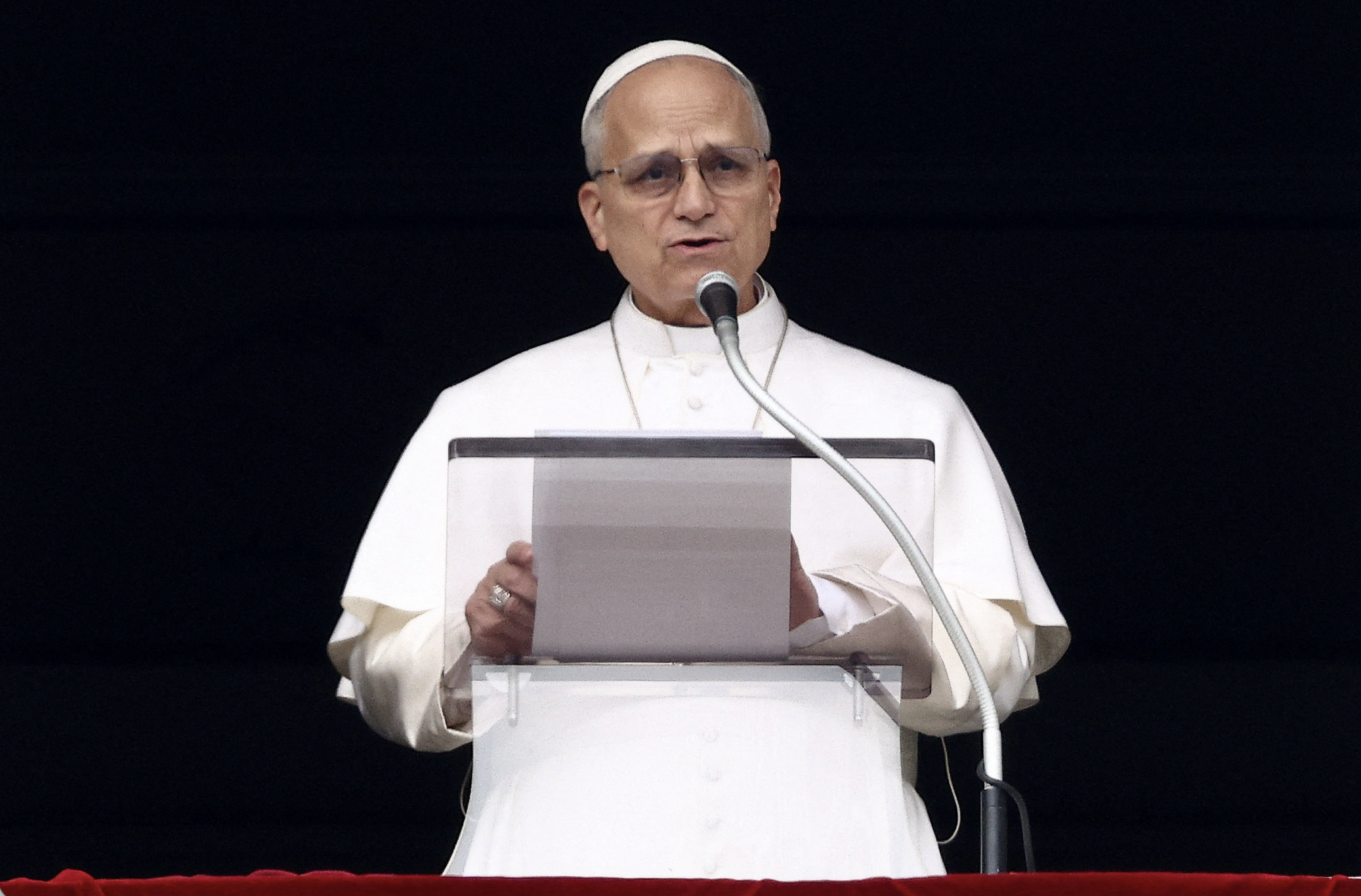
Two Americans, Two Visions of Power
The debate has also been framed as a deeper contrast between two Americans: Donald Trump and Pope Leo XIV.
Evangelical theologian Volker Leppin describes the confrontation as a clash between “two completely different forms of power”. On one side stands a model based on threats, military force and economic pressure. On the other is what he calls the power of the “quiet word”.
According to Leppin, it is precisely this restrained and measured style that gives the Pope influence beyond politics. Where the papacy has historically divided Christians, Leo’s approach, he argues, has made him a broader voice for Christianity, largely because of his prudence and thoughtfulness.
“Through his manner of speaking, he becomes a spiritual and practical authority who makes the Christian message understandable and audible to all Christians”, Leppin said.
Paradoxically, the attacks on the Pope may be having the opposite effect to the one intended. Several analysts suggest that they have helped unite previously divided Catholic groups.
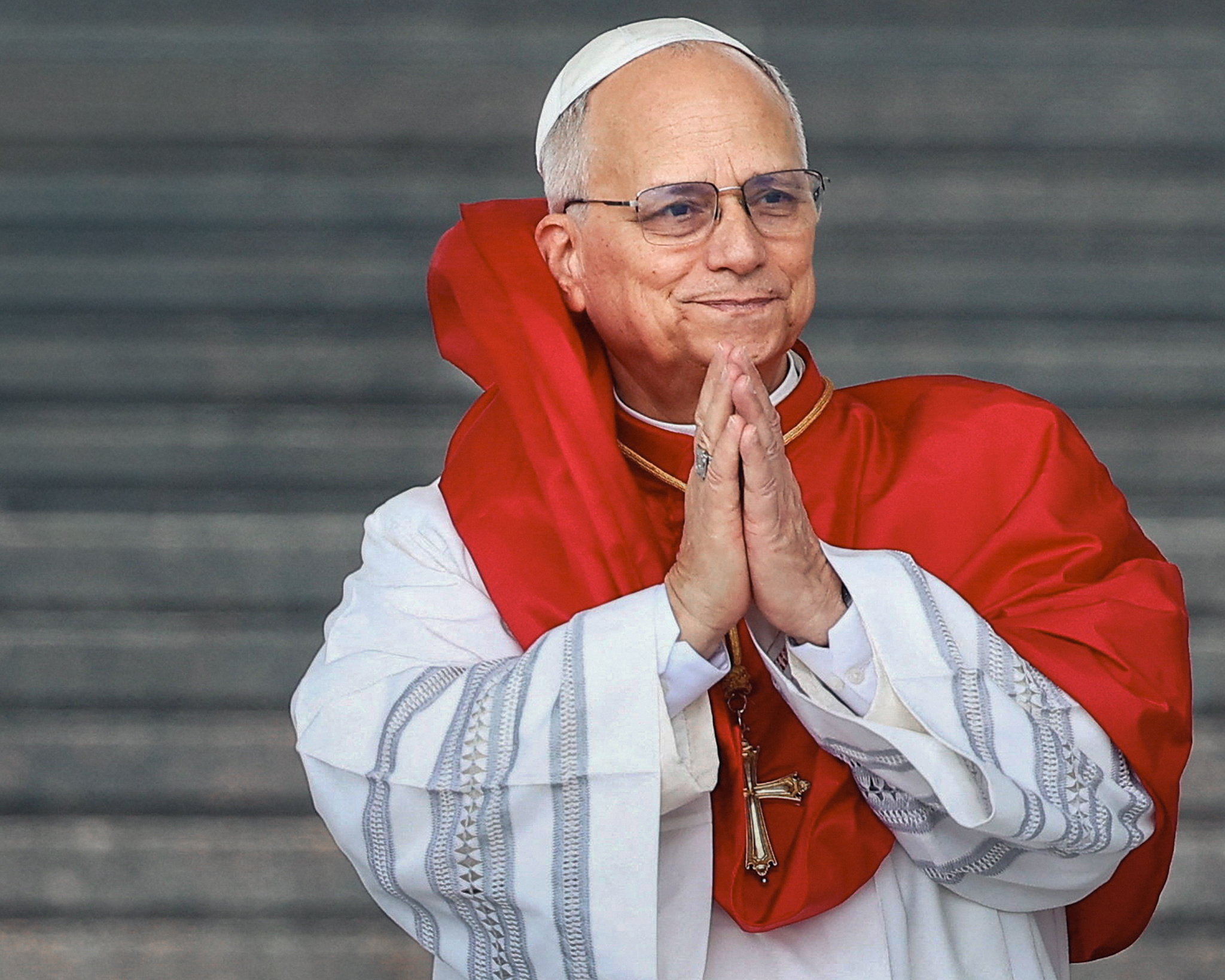
The Calm Reaction of Leo XIV
In this sense, Leo XIV has strengthened his position not despite the criticism, but because of it. His measured response – stating that he is “not afraid of the Trump administration or of speaking out loudly about the message of the Gospel” – stands in sharp contrast to the tone of his critics.
The episode highlights a deeper tension: the difficulty some political actors have in accepting forms of authority that do not rest on power.
The Pope commands no armies and enforces no laws. Yet his words resonate far beyond national borders. For politicians guided primarily by the logic of power, that influence can be unsettling.
In the process, they risk overlooking what lies at the heart of his message: the value of every human life – a principle Pope Leo XIV continues to emphasize.
This article originally appeared on DoCostol.