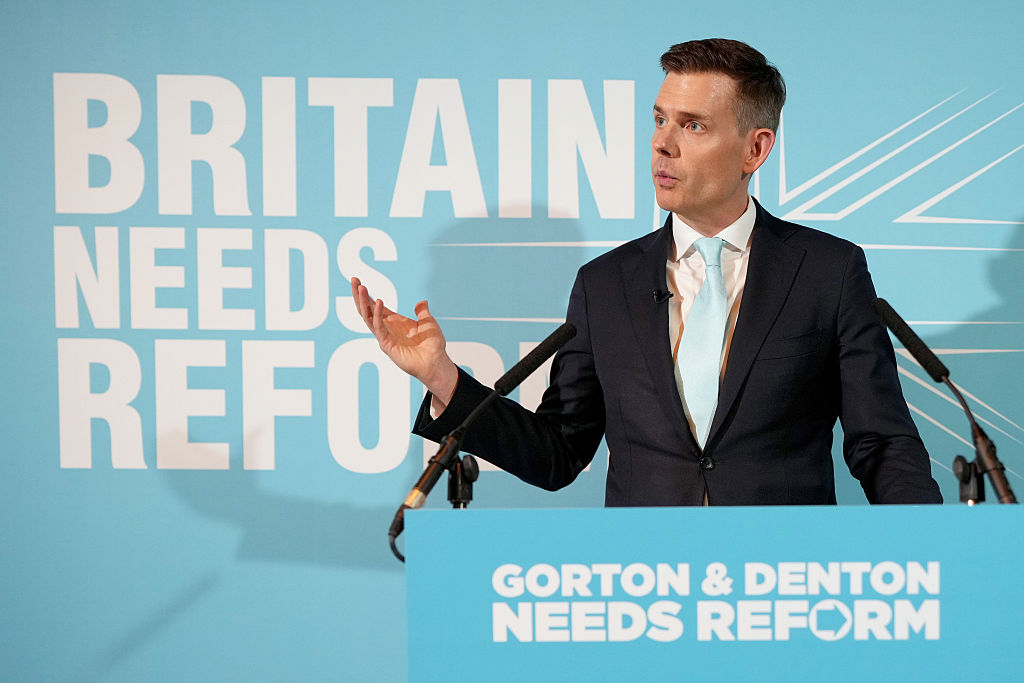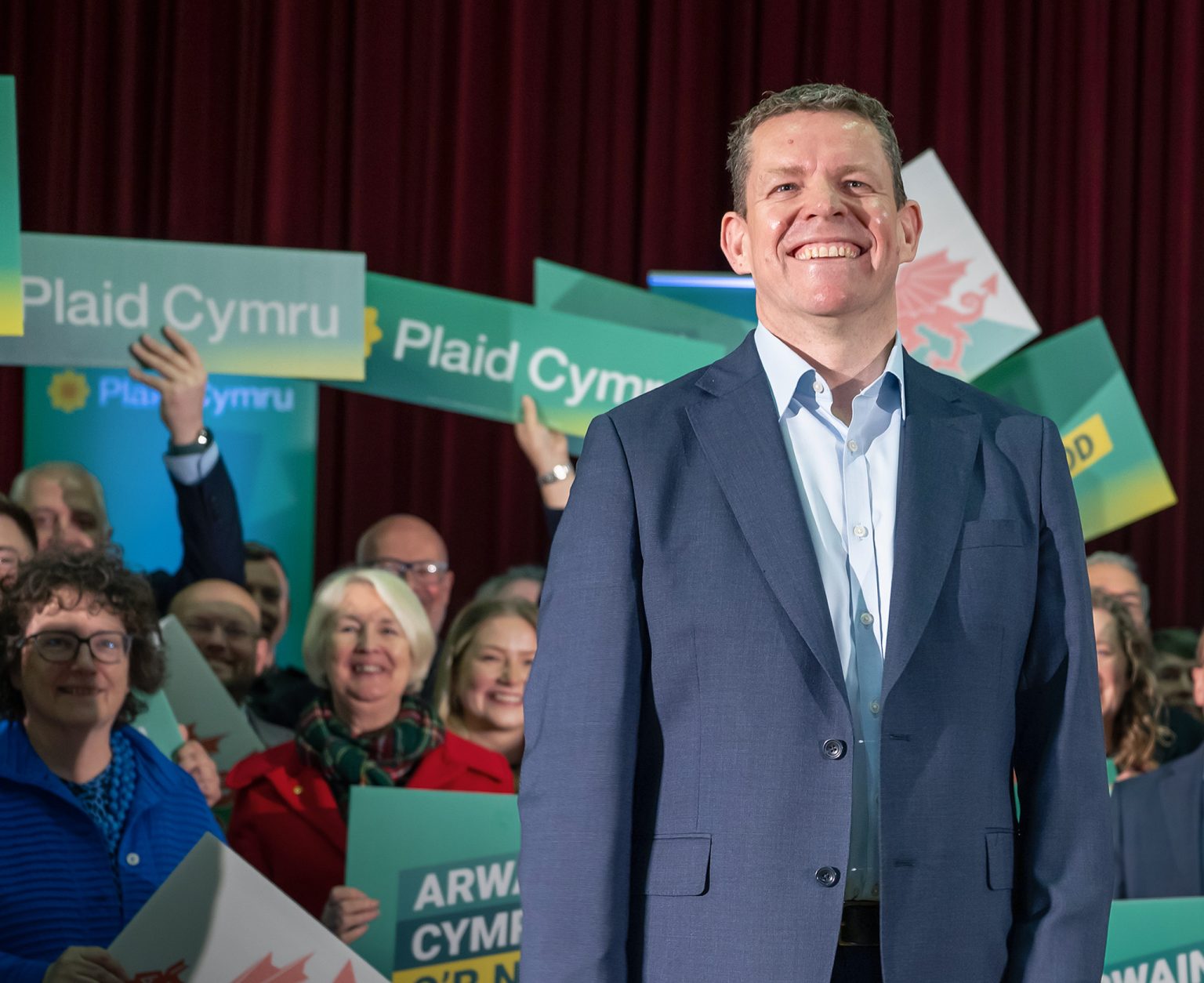
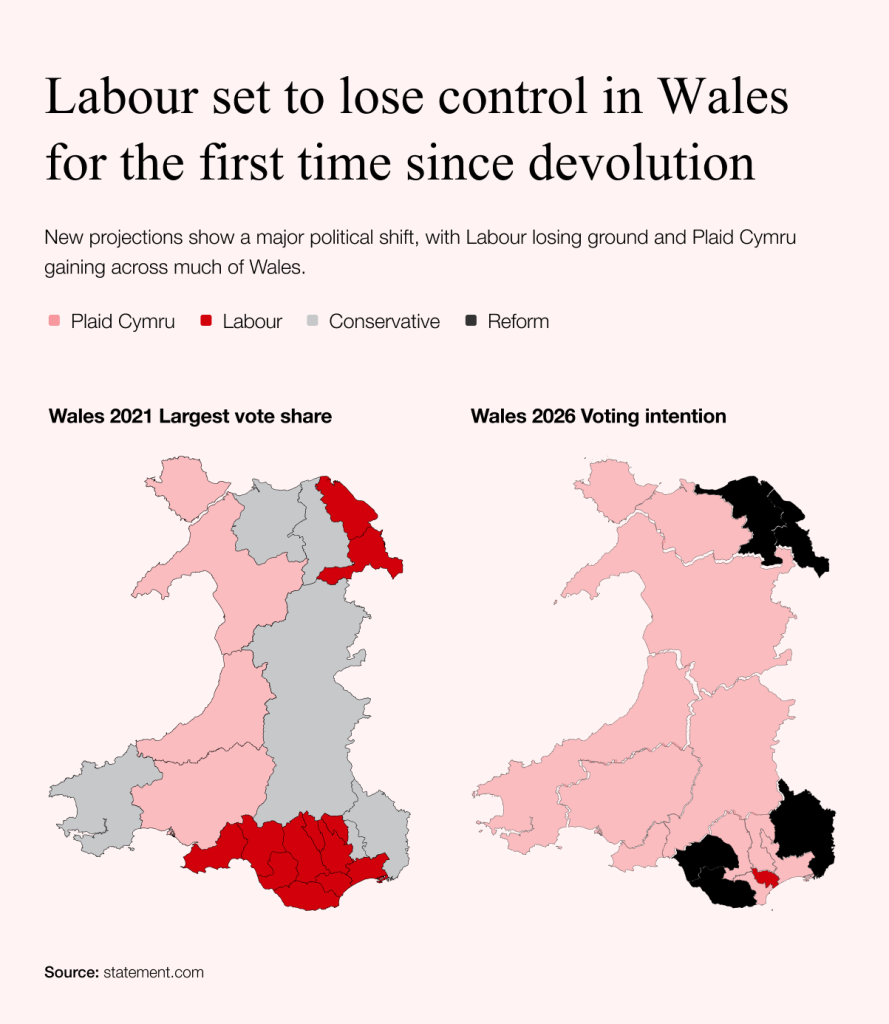
Labour’s century-long dominance in Wales is under its most serious threat yet, with the party facing the real prospect of losing control of the Senedd, or Welsh parliament, for the first time. The shift is not limited to Labour alone. Their traditional rivals, the Conservatives, are also in steep decline, leaving Welsh politics more fragmented and volatile than at any point since the Senedd was created in 1999.
Polling now points to a historic contest on 7 May 2026, with upstart parties Plaid Cymru and Reform UK emerging as the two parties most likely to finish first. Labour, which has governed continuously since the creation of the Senedd, risks losing its status as the largest party in Wales for the first time in more than a century.
A Country Divided Between Competing Visions
What makes this contest especially consequential is that Plaid and Reform are not simply political rivals. They are offering sharply different versions of Wales’s future. As Will Hayward has argued in The Guardian, whichever of the two emerges strongest, the country will be transformed.
Plaid’s prospectus centres on stronger Welsh identity, more powers for the Senedd and, in the longer term, the intellectual groundwork for independence. Reform, by contrast, is offering a more British vision of Wales, sceptical of further devolution and openly hostile to parts of the post-1999 political settlement.
That divide runs through several of the campaign’s defining issues. Plaid has set out an expansive program arguing for further concessions from Westminster, from tax powers to rail devolution, and has placed strong emphasis on the Welsh language. Reform has taken the opposite approach, saying it would not seek conflict with Westminster beyond the issue of immigration, but has pledged to scrap Welsh-language targets. The contrast is not merely administrative. It reflects a deeper split between those voters who feel primarily Welsh and those who feel more strongly British.
The demographic and cultural divide is equally striking. Research cited during the campaign suggests Plaid voters are generally younger, more left-leaning and more likely to identify as Welsh, while Reform voters skew older and more strongly British in outlook. Gender also appears to matter. Recent polling suggests women are relatively more likely to back Plaid and the Greens, while Reform’s support is more male. If those patterns hold, the next Senedd could embody a much sharper ideological and cultural split than Wales has seen so far in the devolution era.
Internal Divisions Deepen Labour’s Challenges in Wales
For Labour, the implications are severe. Once regarded as the natural party of Wales, it is now struggling to hold together the coalition that sustained it for generations. Discontent over public services, fatigue after years in office and a broader erosion of trust in established institutions have all contributed to its decline.
The pressure has been sharpened by Labour’s internal strains at UK level. Eluned Morgan has publicly backed Prime Minister Keir Starmer in his political difficulties, while Anas Sarwar in Scotland has distanced himself far more sharply and even called on him to resign earlier this year.
Morgan’s position has not insulated Welsh Labour from broader dissatisfaction with the national Labour government. Her own intervention this week, calling on Starmer to halt the UK-US Deep Space Advanced Radar Capability project in Pembrokeshire over fears that the United States is no longer a reliable partner, underlined both the sensitivity of Westminster-linked issues in Wales and the degree to which Labour is fighting this election on difficult terrain.
The Coming Shakeup of UK Politics
The Conservatives face an equally stark predicament. Having long served as Labour’s principal challengers in Wales, they are now being squeezed on several fronts. Reform has drawn support from the right, while tactical voting and wider dissatisfaction have weakened the party elsewhere. The result is that the Conservatives risk moving from opposition to near-irrelevance.
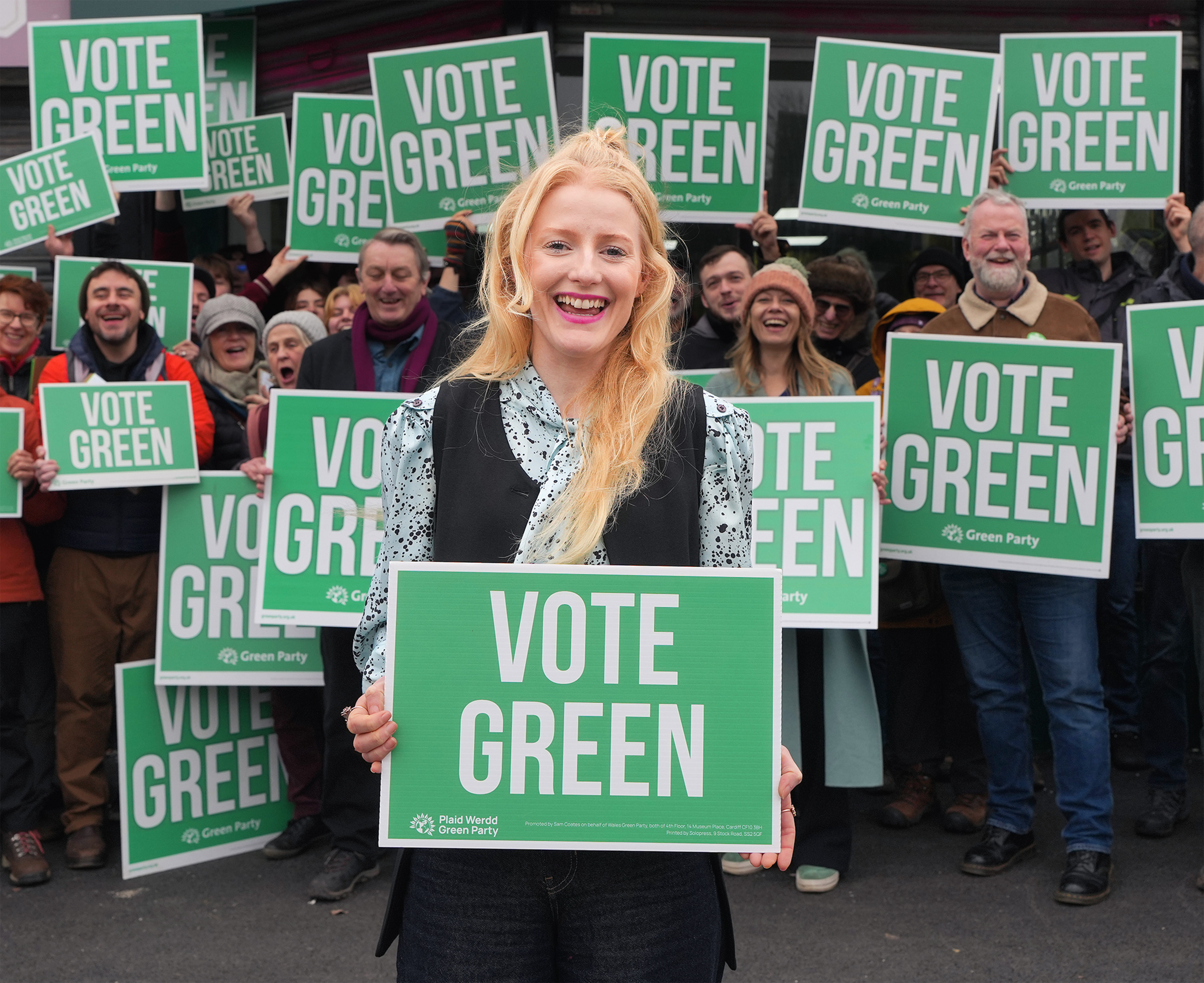
This dual decline has opened the way to a much more competitive and unstable political environment. Plaid Cymru’s rise has made it look increasingly like a plausible party of government rather than a vehicle for protest, while Reform’s surge has exposed the growing strength of anti-establishment feeling. Smaller parties, particularly the Greens and Liberal Democrats, also stand to benefit from the fragmentation of the vote, making some form of coalition or inter-party arrangement increasingly likely under the Senedd’s proportional representation electoral system. Wales now appears to be choosing not simply between parties, but between two rival national projects.
In that sense, the 2026 Senedd election will matter beyond Wales. It may offer an early indication of what British politics could look like by the next UK general election. If Labour and the Conservatives continue to weaken while Plaid, Reform and smaller parties gain ground, the old two-party structure that long dominated Great Britain will look increasingly fragile. Wales may be the clearest sign yet that the political order created in the late 20th century is breaking apart.