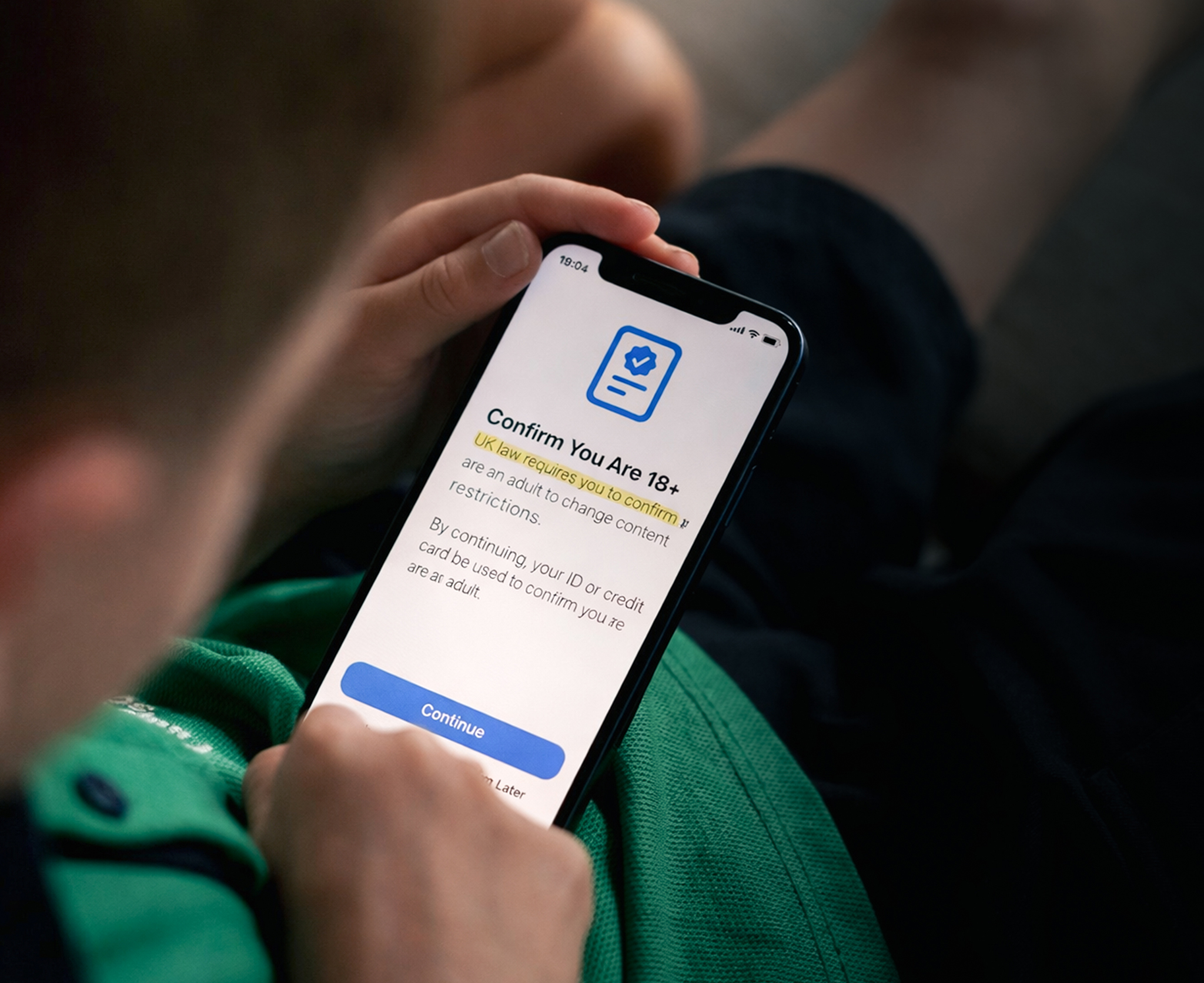
Britain’s media regulator Ofcom is pressing ahead with the controversial Online Safety Act and is, for the first time, charging major technology companies. Since April, a new fee regime has required high-revenue platforms to bear the cost of regulation themselves.
Critics see this as a further step towards tighter control of digital content and warn of serious encroachments on freedom of expression. At issue is the financing of regulation by the industry itself. Companies are required to pay levies to fund their own regulation by a British authority.
New Fee Regime
Under the scheme, companies with substantial global revenues must register and pay levies. The framework is based on the Online Safety Act of 2023, which grants Ofcom broad powers to monitor and enforce online safety standards. The aim is to better protect children and young people from harmful content.

The proposed charges form part of a wider regulatory approach. They are set at 0.02%–0.03% of a company’s qualifying global revenue. Platforms are required to assess risks and take measures against illegal or potentially harmful content. Breaches can result in significant penalties of up to 10% of global annual revenue. In extreme cases, Ofcom can order services to be blocked.
As the fee regime takes effect, the political and public debate is intensifying. Supporters see the law as a necessary step to curb the power of large platforms and better protect users. Government officials are pushing for rapid implementation and warn that delays could weaken safeguards for vulnerable groups.
Growing Control
Critics, however, argue that the measures amount to a creeping expansion of state control over online content. The combination of financial burdens and severe penalties, they say, may encourage platforms to remove content pre-emptively to limit risk. That could also restrict lawful expression.
The Online Safety Act thus exemplifies a broader tension in modern societies. At its core lies a trade-off between security and freedom in the digital sphere. Britain has opted for a comparatively strict regulatory path, one that also carries the paradox of seeking to control online speech while sending the bill to the very companies being regulated. Some firms, including Signal, have already warned they could withdraw their services from the UK.