
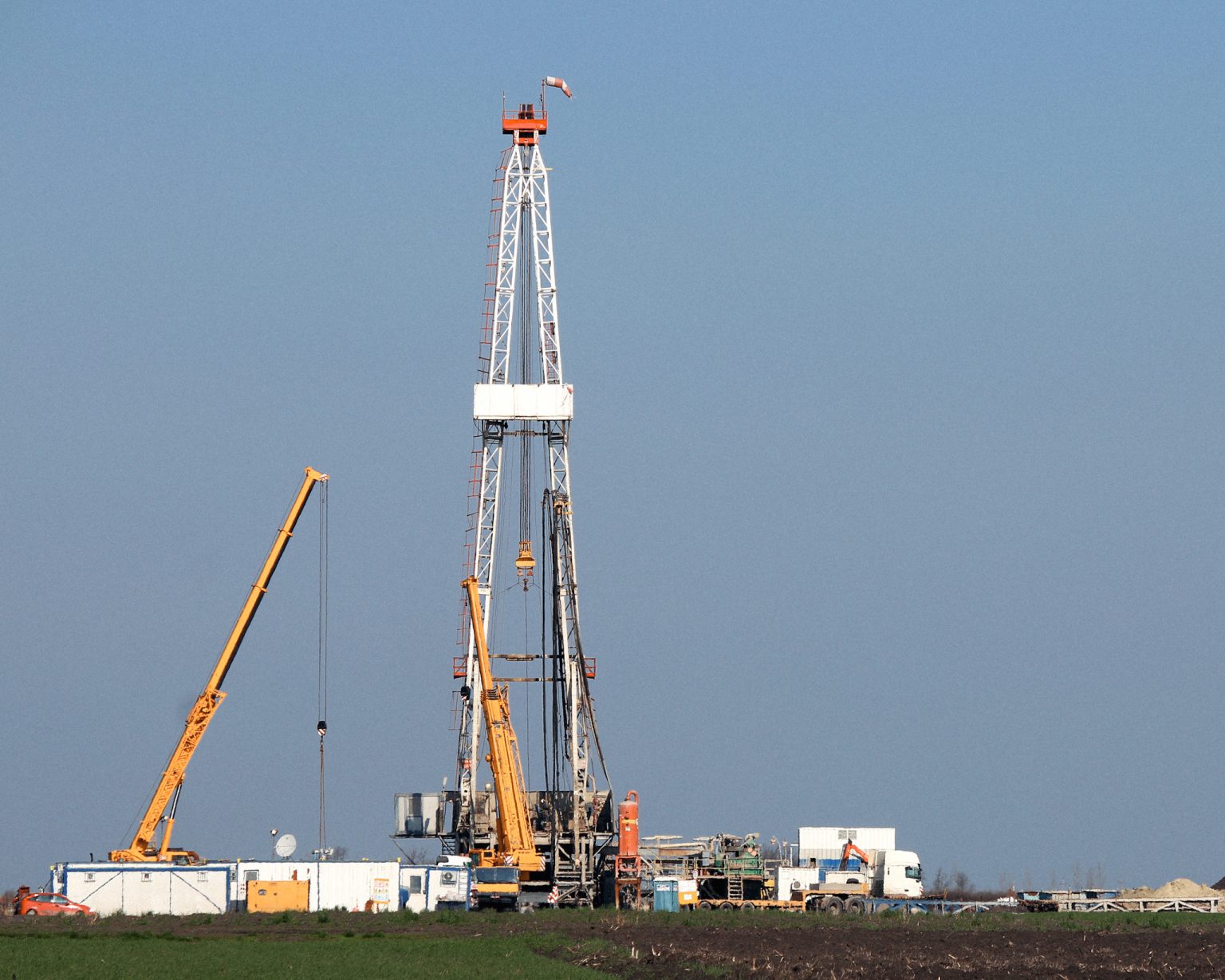
Germany is pursuing an energy policy luxury it can scarcely afford. The country sits on considerable natural gas reserves, relies on costly imports from around the world and still treats the debate over domestic production as a political taboo. At a time of rising energy prices, geopolitical uncertainty and growing concerns about security of supply, that approach appears increasingly contradictory. Against that backdrop, the chancellor’s conspicuous caution is striking.
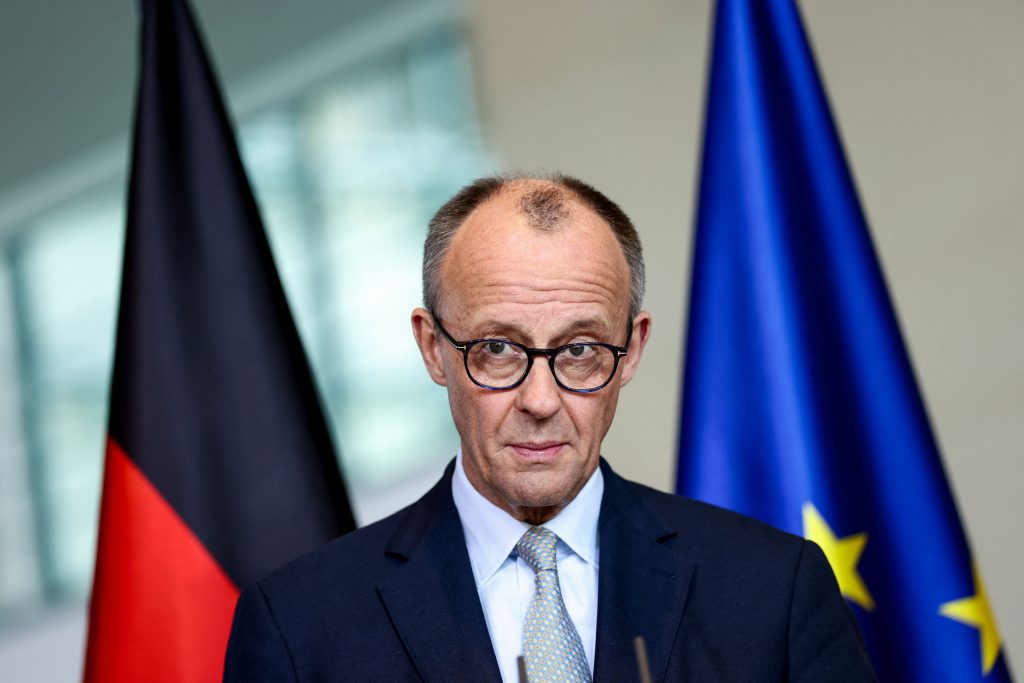
The fracking debate has moved beyond a dispute over production techniques. It has become emblematic of a broader question: how Germany intends to secure its future energy supply. The choice is between greater self-reliance through the use of domestic resources and continued dependence on costly imports. While parts of the CDU/CSU and business groups are pressing for a reassessment, Friedrich Merz is applying the brakes.
Union Pushes for New Debate
The chancellor has, for now, taken the edge off the issue. In a government questioning session in the Bundestag, he said there were other ways to extract oil and gas than fracking and that he did not intend to propose the technology. The government was not currently discussing the matter. Politically, that may appear calming in the short term. Yet it stands in clear contrast to voices within his own camp calling for greater pragmatism in the face of rising prices and global uncertainty.
Minister for Economic Affairs and Energy Katherina Reiche (CDU) has not explicitly endorsed fracking but has clearly argued for more domestic gas production. Germany has its own reserves and production should “not be further hindered”, she said recently. Pressure is also growing within the CDU/CSU. Deputy parliamentary leader Sepp Müller (CDU) has called for an ideologically neutral review of all available energy resources. The CDU Economic Council has explicitly argued that unconventional extraction methods such as fracking should be considered.
Support has also come from the advisory group on evidence-based economic policy appointed by Reiche. In a report published in March, the experts recommended allowing fracking and “seriously examining” it in order to reduce dependence on foreign suppliers. They also argued that environmental risks could be limited through a clear legal framework and strict standards. While Berlin debates relief packages, fuel rebates and support for consumers, pressure is building in the background to rethink the supply side of energy policy.
Large Reserves, Limited Production
The debate is intensifying above all because Germany now covers only a small share of its gas demand domestically. In the early 2000s, more than 20% came from domestic production. Today, the figure is just 4%. Annual natural gas consumption remains around 80 billion cubic meters (bcm). At the same time, the Federal Institute for Geosciences and Natural Resources estimates technically recoverable shale gas reserves in Germany at between 320 bcm and 2,030 bcm. Even if only part of that were economically viable, it could noticeably reduce import dependence for years.
It is particularly notable that fracking is not fundamentally banned in Germany. The method has been used in conventional reservoirs for decades. According to industry data, it has been applied in around 300 cases since the 1960s. Only fracking in unconventional reservoirs such as shale formations has been prohibited since 2017. That ban was a political response to environmental concerns and public opposition. Given current circumstances, however, the question is increasingly being asked whether that decision should remain unchanged.
Since the loss of inexpensive Russian supplies, Germany has become significantly more dependent on LNG imports from overseas. That makes supply not only more expensive but also more vulnerable to geopolitical crises. Every conflict in the Middle East, every disruption on key shipping routes and every tightening of global markets now directly affects consumers, industry and the public finances. The fracking debate therefore also reflects a broader uncertainty about how much energy autonomy Germany wants to retain.
Environmental Concerns Remain Strong
Opponents of fracking warn of significant risks. Environmental groups cite potential groundwater contamination, high water consumption and uncertainty about long-term geological stability. German Environmental Aid (DUH) considers fracking in Germany unrealistic. Building meaningful production capacity would take years and intensify social conflict, it argues. The scale of the economic potential is also disputed. Critics note that technical estimates do not automatically mean production would be economically viable under real conditions.
The industry disputes that view. The German Association for Natural Gas, Oil and Geoenergy argues that fracking technology has developed further in recent years. Domestically produced gas could also, under certain conditions, be more climate-friendly than imported LNG, which generates additional emissions through liquefaction, transport and regasification.
The debate ultimately highlights one central point: Germany again faces a fundamental energy policy decision. The question is not only whether fracking is technically and environmentally acceptable. It is also about how much room for manoeuvre an industrial country is willing to grant itself in times of global crisis.