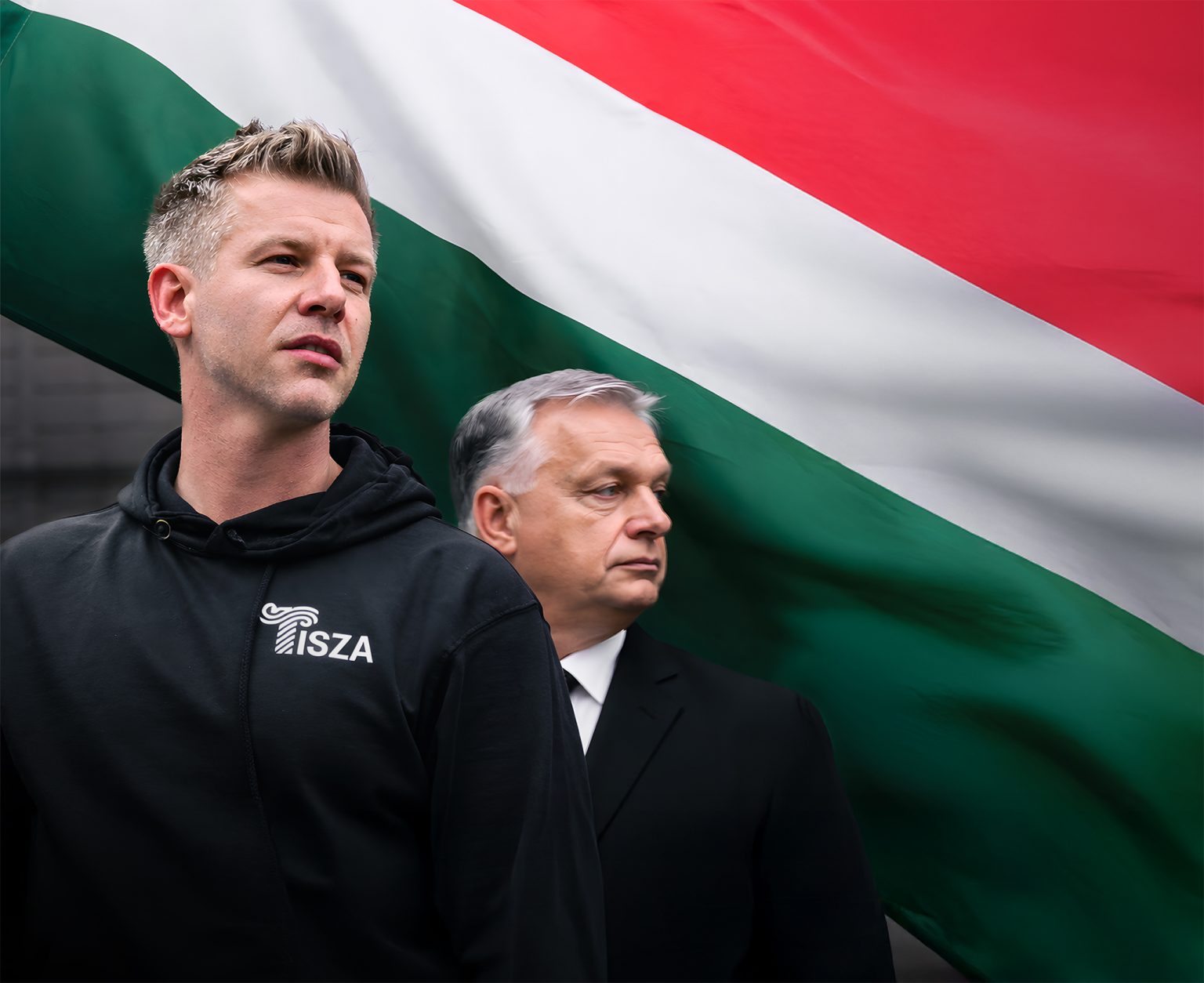
Hungarian voters have decided that 16 years is enough. Disillusionment in the camp of long-time leader Viktor Orban was correspondingly deep on Sunday evening and appeared final. Supporters began dismantling planned election parties as early as 10 p.m. and went home. There was nothing to celebrate. The party was over.
There was no last-minute defiance, no outrage, no wild claims of electoral fraud or unrest on the streets. None of the scenarios floated by international and domestic observers in Hungary in the event of an Orban defeat materialized.
Instead, Orban conceded like a gentleman and congratulated his rival early, when only two thirds of the votes had been counted but the trend already reflected what some polling institutes had predicted for days: Peter Magyar was heading for a landslide. The worst-case scenario thus materialized for those who had hoped to scrape into another term, even narrowly. Numerous actors and institutions that benefited from Fidesz support over 16 years now fear for their future and their budgets.
Confidence in victory had already faded in recent days and sounded more like calls for perseverance. Hopes rested on mobilizing core Fidesz voters in rural areas, where the party traditionally dominated and where Hungary’s majoritarian system made constituency wins particularly important.
Such calls for perseverance continued even on Sunday afternoon, although record turnout was already emerging. By midday, participation exceeded the previous presidential election by more than 14%. The high turnout was interpreted by some as a positive sign for Magyar, who appeared to have mobilized previous non-voters, while pro-government observers saw an advantage for Orban, pointing to exceptionally high participation in rural areas. In the end, the countryside also shifted decisively. When the first constituency results arrived from 9 p.m., it became clear that the Tisza party had won the mobilization battle there as well.
Once the rural vote slipped away from Orban, the election was effectively lost. His own camp knew it. That explains the early resignation and swift acknowledgement of defeat. There was no intention to challenge the result. Party officials knew the outcome was real.
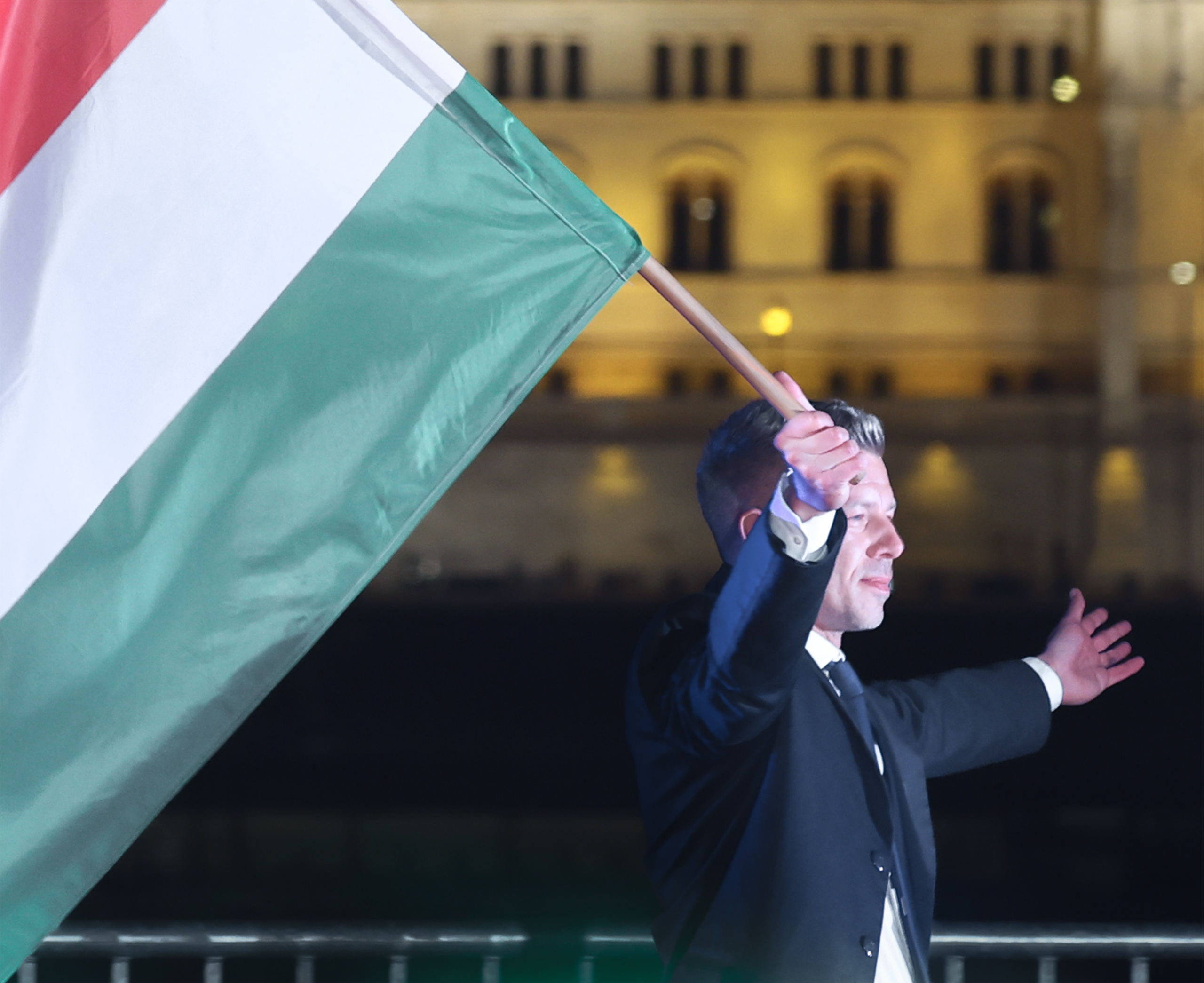
Fidesz Must Rethink Its Strategy
Although alarmist claims of disruptions and aggression at polling stations circulated on social media during the afternoon, including from MP and close adviser Balazs Orban, numerous observers across the political spectrum reported calm conditions nationwide.
Such postings can safely be left aside for what they likely were: a safeguard in case the result proved close, a head-to-head race emerged and calls for recounts or new elections were made.
Hungary’s electoral system, combining a majoritarian system with party lists, has repeatedly been criticized and was widely seen as Orban-friendly. On Sunday it delivered victory to his challenger. With clear procedures and control mechanisms, the system is generally regarded as resistant to manipulation. It would be presumptuous to claim the result was falsified. No one attempted to do so on Sunday evening.
The party leadership appears aware that the setback is self-inflicted and that a thorough internal analysis is required. Whether Fidesz will undertake that process remains uncertain. It is also unclear what role Viktor Orban will play in the party and whether he will seek to retain influence.
Reassessing the Errors of Fidesz
16 years may indeed be long enough for one individual to remain in power. Helmut Kohl served as chancellor for 16 years, Angela Merkel governed for the same period. A political generation then knows only one person in office. The effect resembles the Catholic generation born under Pope John Paul II, which associated the papacy with a single name for decades, or generations of Britons who knew only Queen Elizabeth II. Office and individual merge in public perception. Voters grow weary even in the absence of major mistakes. Change itself can become decisive. The promise of change once brought Barack Obama to power in the United States. Change, regardless of direction, simply for its own sake.
Younger alternatives, particularly those suited to social media, gain appeal, especially among younger voters. Extended tenures also hinder the timely development of successors within parties. Helmut Kohl was ultimately forced out by Angela Merkel. Merkel left behind a party weakened in personnel and substance, with serious challengers removed. Parties led for too long by the same figure often fall into a vacuum.
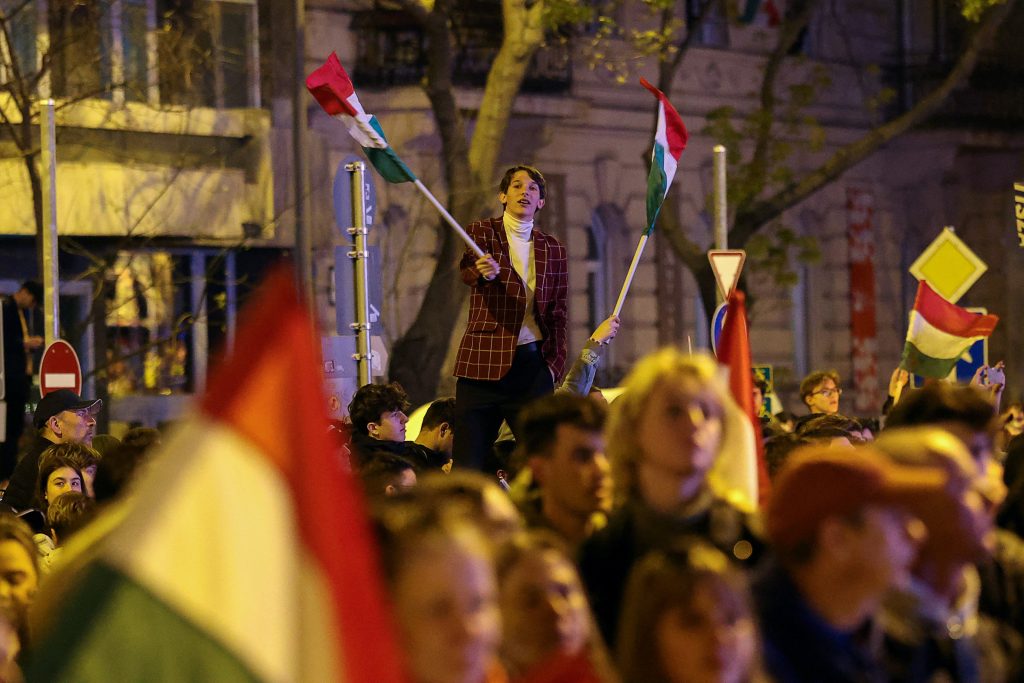
Fidesz will also have to debate policy positions. From the outside, maintaining good relations both with Donald Trump’s political camp and with Vladimir Putin’s Russia appeared contradictory. According to mood analyses in Hungary, younger voters in particular view the Russia-friendly stance critically, even though differences between Fidesz and Tisza on migration or Ukraine policy appear limited.
Much discussion centers on the "Orban system", a power structure critics want dismantled, although there is no clear indication that Peter Magyar would act fundamentally differently. Corruption remains an unresolved issue in Hungary, as in many former Soviet bloc countries.
Constitutional Majority in New Hands
At the European level, there is now visible satisfaction that the often obstructionist Orban no longer holds veto power, particularly regarding Hungary’s opposition to a 90 bn aid package for Ukraine. However, rapid disillusionment may follow. The only certainty about Magyar is uncertainty regarding his actual positioning and whether he will prove Brussels’ preferred partner in Budapest. Enthusiastic reactions from Ursula von der Leyen and some left-wing and Green politicians in Germany interpreting the result as a pro-European shift may reflect wishful thinking rather than political reality.
Hungarian voters place strong emphasis on sovereignty. If they wanted to end Orban’s rule, they may be even less receptive to external political direction from the European Union. For years, Orban was criticized abroad, especially in Brussels, as though policies had been imposed against public will. Many of these positions command majority backing domestically. There is little indication that public attitudes toward migration policy have shifted significantly.
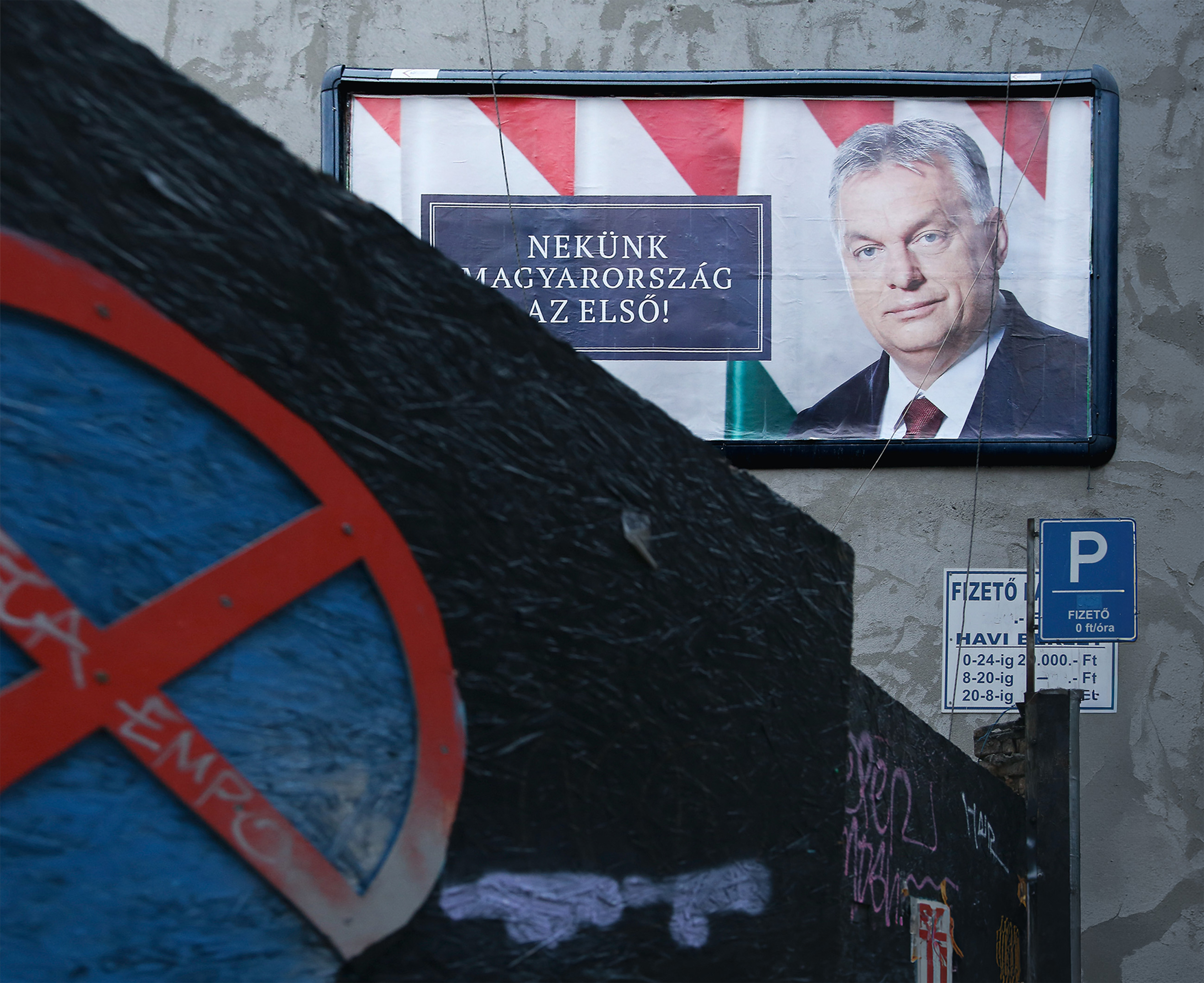
Magyar has not been elected as a left-wing alternative but as a different, potentially more moderate conservative. His positions largely overlap with Orban’s on core issues. The Tisza party’s platform outlines a restrictive migration policy. Illegal entry should be actively combated. The existing southern border fence should be maintained and expanded to protect both Hungary and Europe. The party calls for stricter penalties for people smuggling. It rejects economic migration and announced that from June 2026 no new residence permits for non-EU guest workers would be issued, while existing permits would be gradually reduced. Magyar is therefore unlikely to fundamentally reposition himself on migration policy.
Power Under a New Name
The Magyar camp now holds a two-thirds constitutional majority and thus enjoys the same institutional dominance previously criticized under Orban. Accusations of autocracy, democratic erosion, corruption and obstruction of the opposition were central to criticism of the previous government. Magyar now commands comparable power. It remains to be seen whether he will voluntarily limit it or use the available instruments to consolidate authority.
He may lift Hungary’s veto on Ukraine funding to stabilize relations with Brussels and secure access to nearly 20 bn in EU funds currently withheld from Hungary over rule-of-law disputes.
However, expectations in Brussels may prove premature. If Budapest no longer acts as the primary blocker, other countries such as Poland, Slovakia, Austria or the Netherlands may adopt more visible positions. Sympathy for additional Ukraine funding appears limited in several of those states. Until now, Orban’s stance reduced the need for others to articulate opposition openly. The final political confrontation on the issue has not yet taken place.