
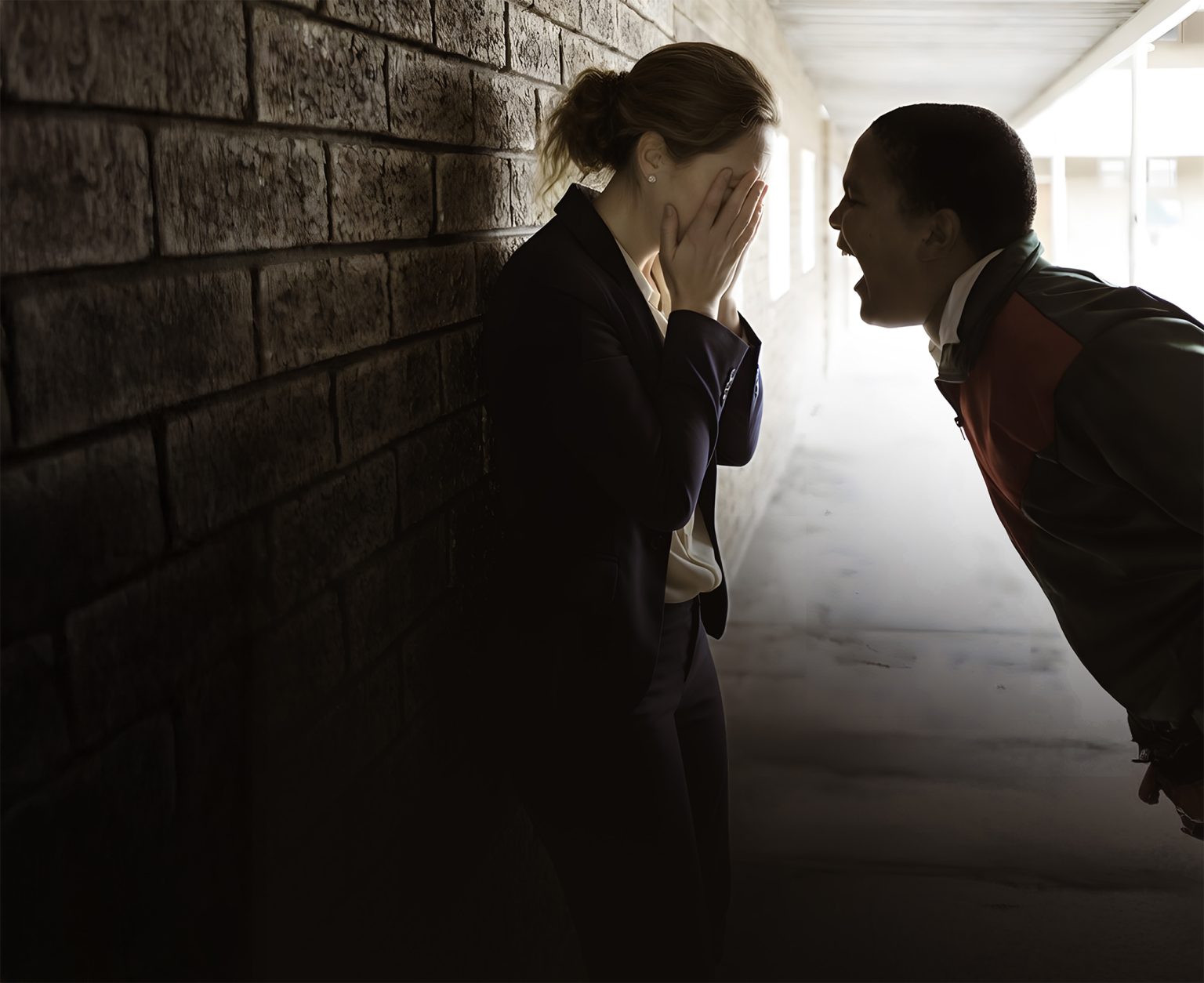
A new analysis of the Police Crime Statistics (PKS) by the Federal Criminal Police Office (BKA) has raised alarm. A total of 1,283 cases of intentional bodily harm against teachers in 2024 mark a record high. The figure does not reflect a statistical outlier but a development that has intensified for years. In practical terms, that means more than three attacks on teachers every single day. What the statistics do not capture is the atmosphere in classrooms. The issue is no longer only teaching but increasingly who is in charge.
Teachers’ unions describe the situation in unusually direct terms. Udo Beckmann, head of the Association for Education and Training (VBE), told Deutsche Presse-Agentur: “Violence against teachers is no longer a marginal phenomenon.” Many teachers do not report incidents because they expect no consequences or fear further escalation.
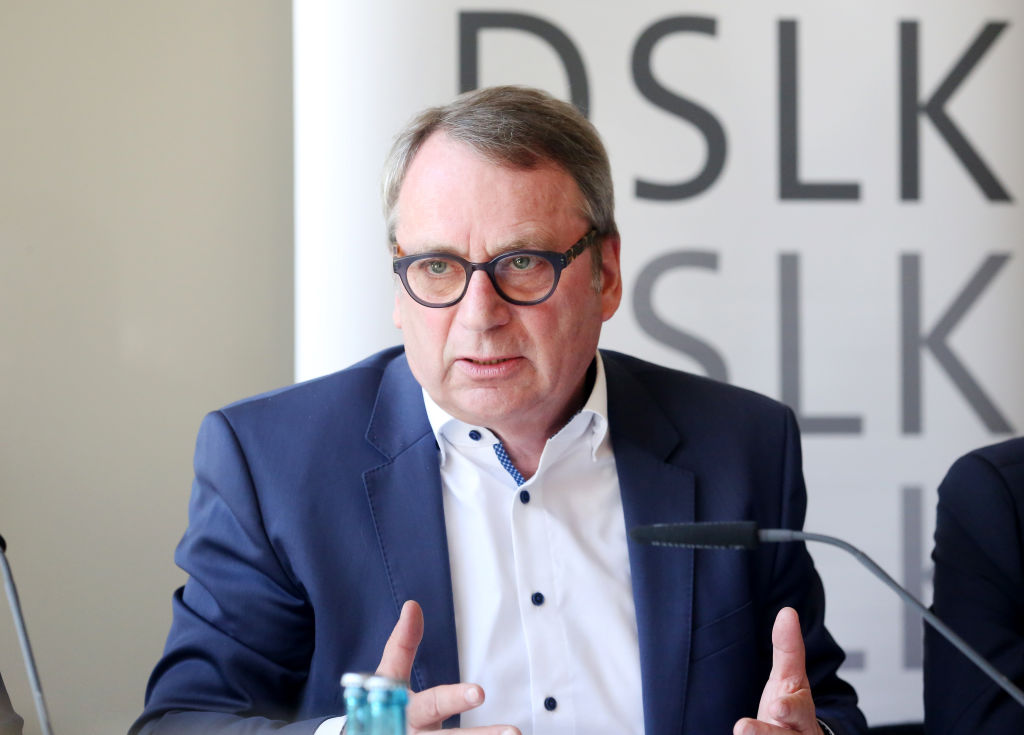
Stefan Düll, president of the German Teachers’ Association, expressed similar views in media interviews, noting that the threshold for violence is falling and that pupils are more willing to settle conflicts physically. Respect for teachers is visibly declining.
"Brutalization In Everyday School Life"
Susanne Lin-Klitzing, head of the German Philologists’ Association, has been even more explicit, warning in interviews of a "brutalization in everyday school life". The wording points to a fundamental question: do teachers still have authority? In many schools, the answer is increasingly sobering.
Teachers report that they now weigh decisions more carefully. The calculation is no longer pedagogical but security-related. A poor grade, a reprimand or a disciplinary note, once routine, can now trigger escalation. The question is no longer only what is right but what is risky. In interviews and personal accounts, teachers say they carefully weigh their response to certain pupils, not out of pedagogical caution but out of concern for consequences. The idea that a pupil might carry a knife is no longer abstract. Police reports and documented cases in recent years have made that fear tangible.
The change has altered daily life fundamentally. Teachers no longer assume authority as a given but must constantly renegotiate it. In some classrooms, that is barely possible.
When Boundaries Are Crossed
The range of assaults is wide and extends far beyond simple bodily harm. The PKS also records serious violent offences including aggravated assault, robbery and sexual attacks. One particularly serious case occurred in North Rhine-Westphalia, where a teacher was attacked with a knife by a pupil and seriously injured. The incident received extensive media coverage and is cited as an example of how far escalation can go. Cases of sexualized violence against female teachers have also been documented, although they are less often reported in detail.
Media outlets and school authorities repeatedly report incidents in which female teachers were harassed, pressured or deliberately provoked. These cases rarely reach national attention but form part of the reality teachers discuss internally. One Berlin teacher described the situation in a newspaper report: “It is no longer only about disrespect. It is about boundaries being systematically crossed.” Such statements appear with increasing frequency and point to a shift in norms in everyday school life.
Problems are particularly visible in schools where social and integration challenges converge. Teachers describe a changed conflict culture in interviews and reports. Disputes escalate more quickly into physical confrontation and authority is more frequently challenged. The Association for Education and Training has warned that teachers face situations “they cannot resolve alone”.
The reference also includes integration deficits that affect daily school life directly. First-hand accounts openly state that violence problems often occur in classes with a high share of pupils with a migrant background. Teachers describe group dynamics in which belonging is defined by origin and report conflicts that develop along cultural lines.
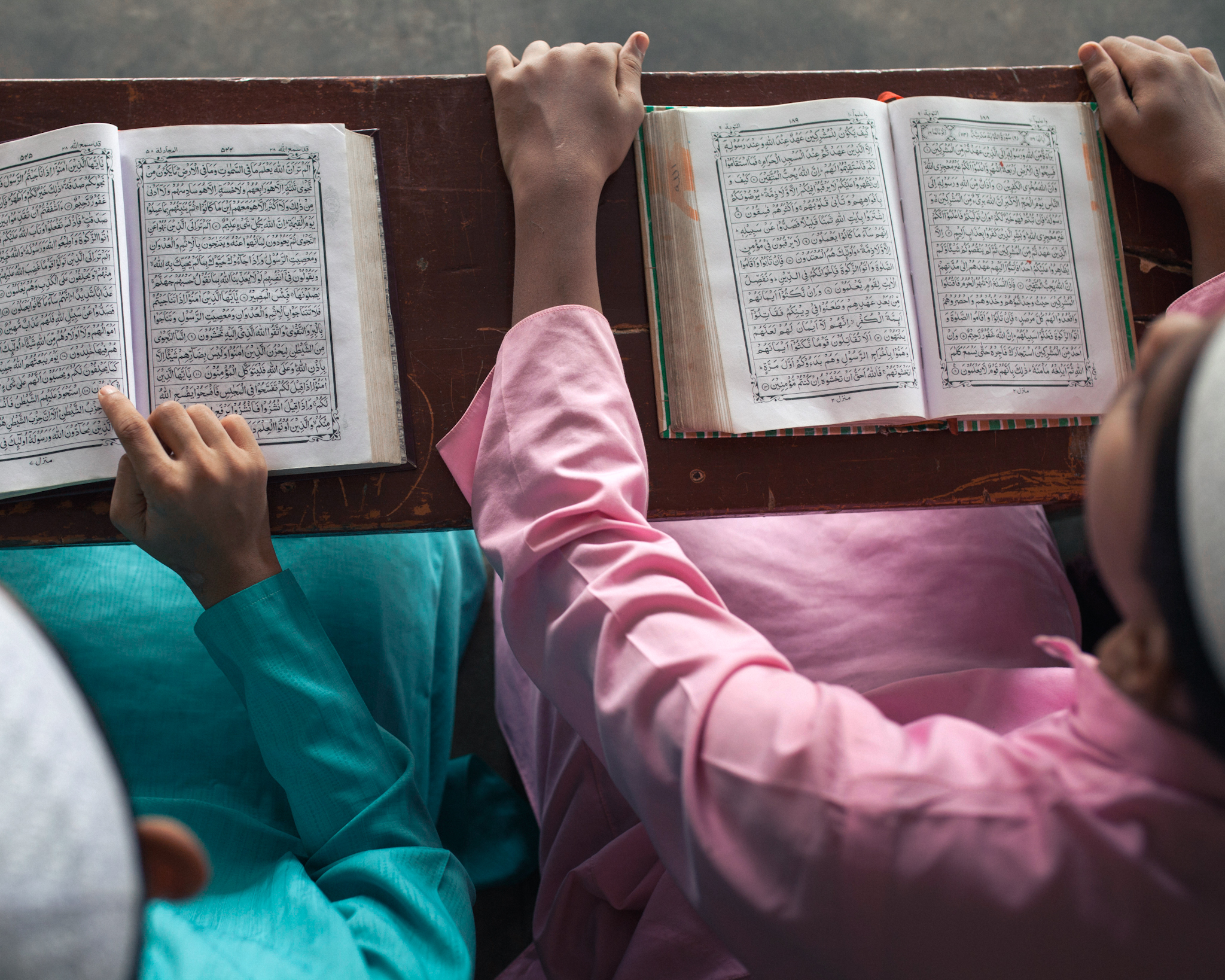
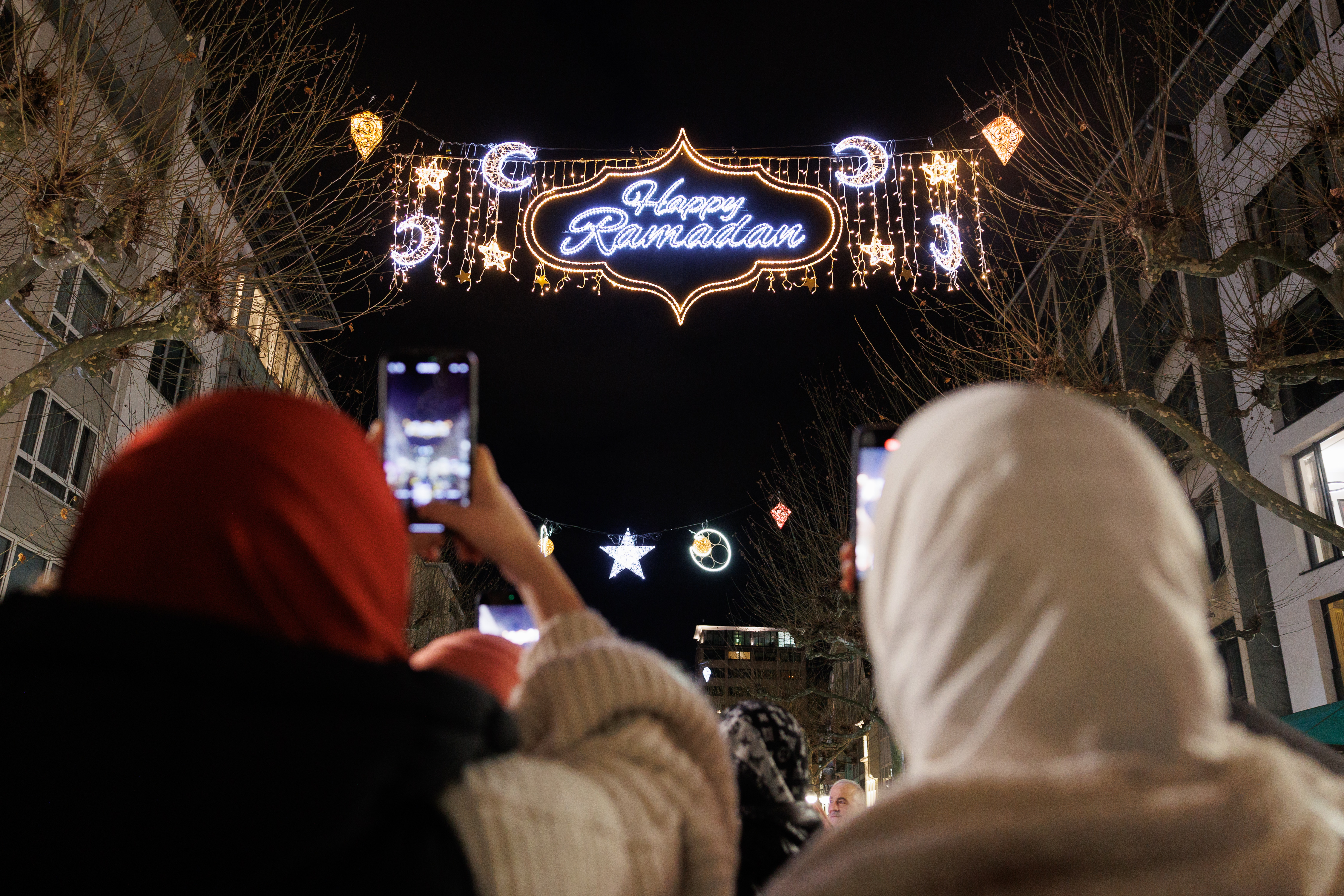
Temporal factors also play a role. Schools repeatedly report heightened tensions during Ramadan. Fatigue, irritability and peer pressure alter classroom dynamics. There are no official statistics, but numerous consistent accounts from practitioners.
Politics Without A Clear Response
The political response has so far remained vague. Marcel Emmerich, domestic policy spokesman for the Greens parliamentary group, said it was “high time for effective protection concepts”. Concrete measures, however, remain limited. At the same time, Federal Minister of Justice Stefanie Hubig is advancing stricter penalties for attacks on police and emergency services. Teachers have so far played little role in those legislative initiatives. That raises a fundamental question: why is a problem that unfolds daily in classrooms treated so cautiously in political debate?
The decisive change is less the number of incidents than the shift in perception. For many teachers, school is no longer only a workplace and no longer primarily an institution preparing the next generation for life in society. Instead, it has become a place where they must protect themselves, a place they hope to leave in the afternoon unharmed.