
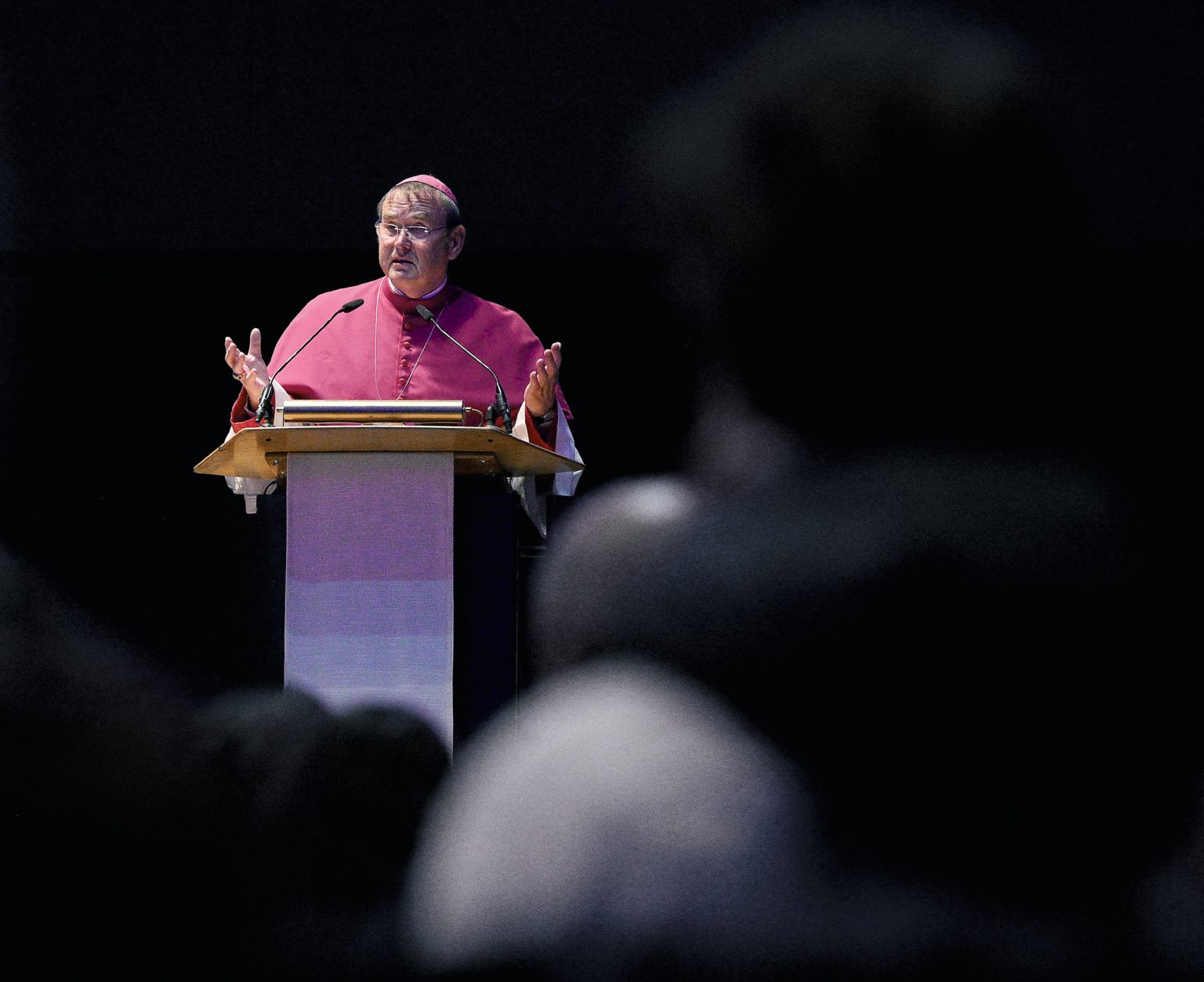
Debates within the Catholic Church rarely reach a broader public audience. The latest intervention by Auxiliary Bishop Ludger Schepers of Essen is therefore all the more notable. In an interview with the Catholic News Agency (KNA), the German Bishops’ Conference (DBK) commissioner for queer pastoral ministry called for a fundamental shift in questions of gender and sexuality.
The Church must “leave old role models behind”, Schepers said. Over centuries, it had not only tolerated patriarchal structures but actively promoted them. Anyone who still clings to them today “betrays its own message”. He also stressed that the “diversity of human identities – whether homo-, trans- or intersex” is part of God’s plan of creation. The Church must not accept discrimination.
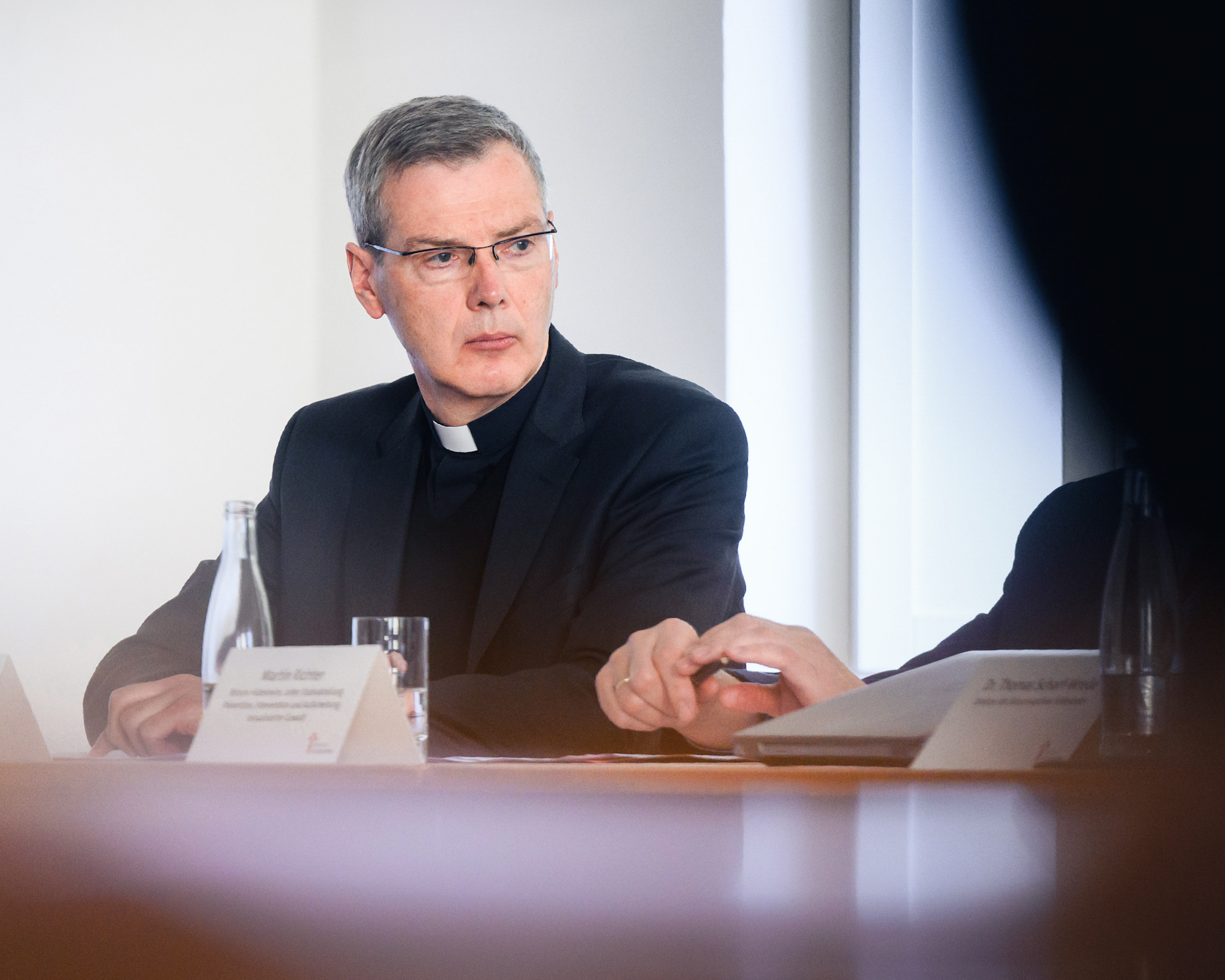
The very fact that the Catholic Church in Germany maintains its own “queer commissioner” can itself be regarded as political. It demonstrates how far LGBTQ activism has already entered the Church at a structural level.
Schepers’ statements have drawn attention and criticism far beyond ecclesiastical circles. They touch on central questions of Catholic teaching. His call for openness to modern gender concepts contrasts with a moral doctrine developed over centuries and grounded in Christian anthropology. Within the Church, sexuality is closely tied to marriage between a man and a woman. Only there is it regarded as legitimate.
Departure from Traditional Teaching
According to classical Catholic teaching, as summarised in the Catechism of the Catholic Church, marriage is understood as an exclusive union between a man and a woman, oriented towards procreation and mutual self-giving. Homosexual acts are not regarded as equivalent variants of human sexuality but as “intrinsically disordered”. At the same time, the Church calls for respect towards homosexual persons. It distinguishes strictly between the person and the act, which it presents as its central argument against accusations of discrimination.
This is where criticism of Schepers begins. If he explicitly describes sexual diversity as part of divine creation, he at least implicitly contradicts that distinction. His insistence that discrimination must not be accepted is interpreted by critics as calling into question moral evaluations of sexual behaviour more broadly.
His criticism of traditional role models, including so-called tradwives, also stands in tension with Catholic anthropology, which emphasizes differences between the sexes without necessarily interpreting them as societal power structures. It is not the Church’s role to organize or evaluate the internal division of labor within families, nor to align itself with the arguments of left-wing or radical feminist political movements.
Internal Conflict Comes into View
The intervention is not an isolated case. In recent years, Schepers has repeatedly suggested reform of Catholic sexual morality. His position is representative of a part of the German Church that, within the framework of the progressive reform movement known as the Synodal Path, calls for stronger adaptation to social developments. At the same time, there is significant resistance, both within Germany and internationally. The worldwide Church has so far remained considerably more cautious about changes in sexual ethics. Observers therefore speak of growing tension between national reform efforts and global ecclesial unity.
Perception Outside the Church
For many outside observers, such distinctions are difficult to follow. When a Catholic bishop publicly takes a position, it is often understood as official Church teaching. Schepers’ intervention stands in tension with other bishops and with established doctrine.
The result is a distorted picture. While there is intense internal debate, the external impression is of a seemingly unified progressive position. This discrepancy creates a communication problem. Critical voices from within the Church that challenge self-declared reformers often receive less media attention than reform-oriented statements, which are readily given a broad platform in secular media because they align with prevailing social trends. The impression arises that the Catholic Church is already undergoing a fundamental shift. That is not the case.
More than an Internal Debate
The dispute surrounding Schepers points to a broader question: how much adaptation to social developments can a religious institution accommodate when its self-understanding rests on unchanging beliefs? Schepers clearly crosses a line by publicly relativising central elements of doctrine. He is aware of this. The move can therefore be understood as a deliberate provocation. The fact that no other German bishop has publicly contradicted him is seen by critics as a sign of weakness.
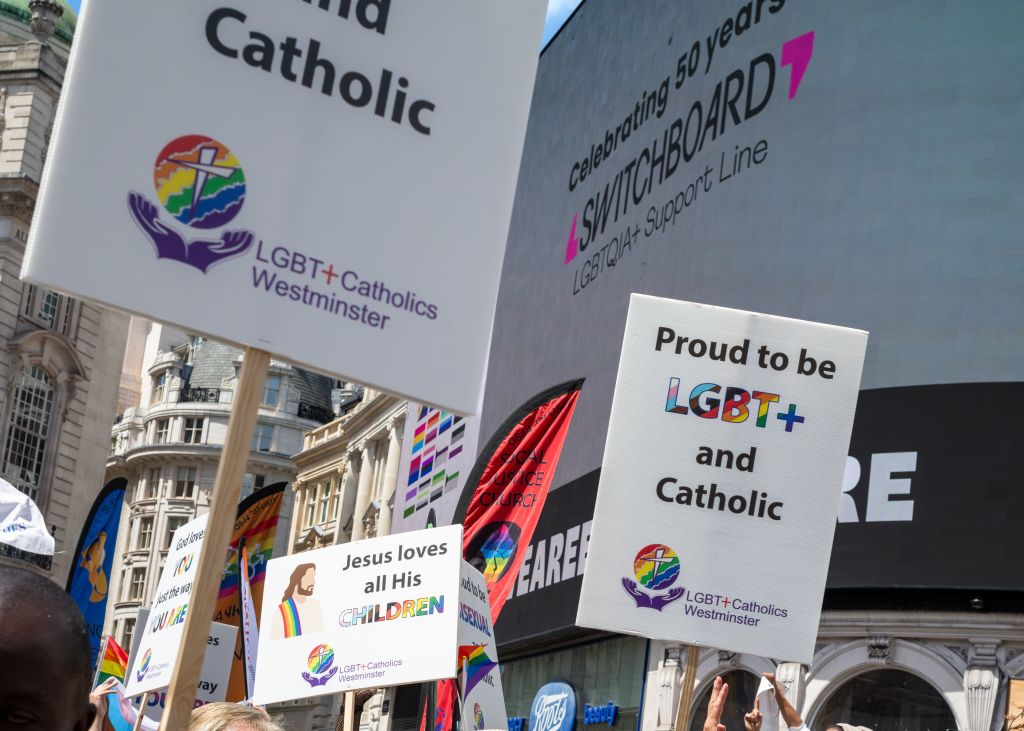
The dispute over gender, sexuality and the manifestation of ecclesiastical authority in these and other questions will continue to shape the Catholic Church in Germany for a long time. At stake is nothing less than unity in governance and teaching, both defining features of the Church. The new chairman of the German Bishops’ Conference, Bishop Heiner Wilmer, faces turbulent times. Schepers has made the opening move. Progressives within the Church are unlikely to relent.