
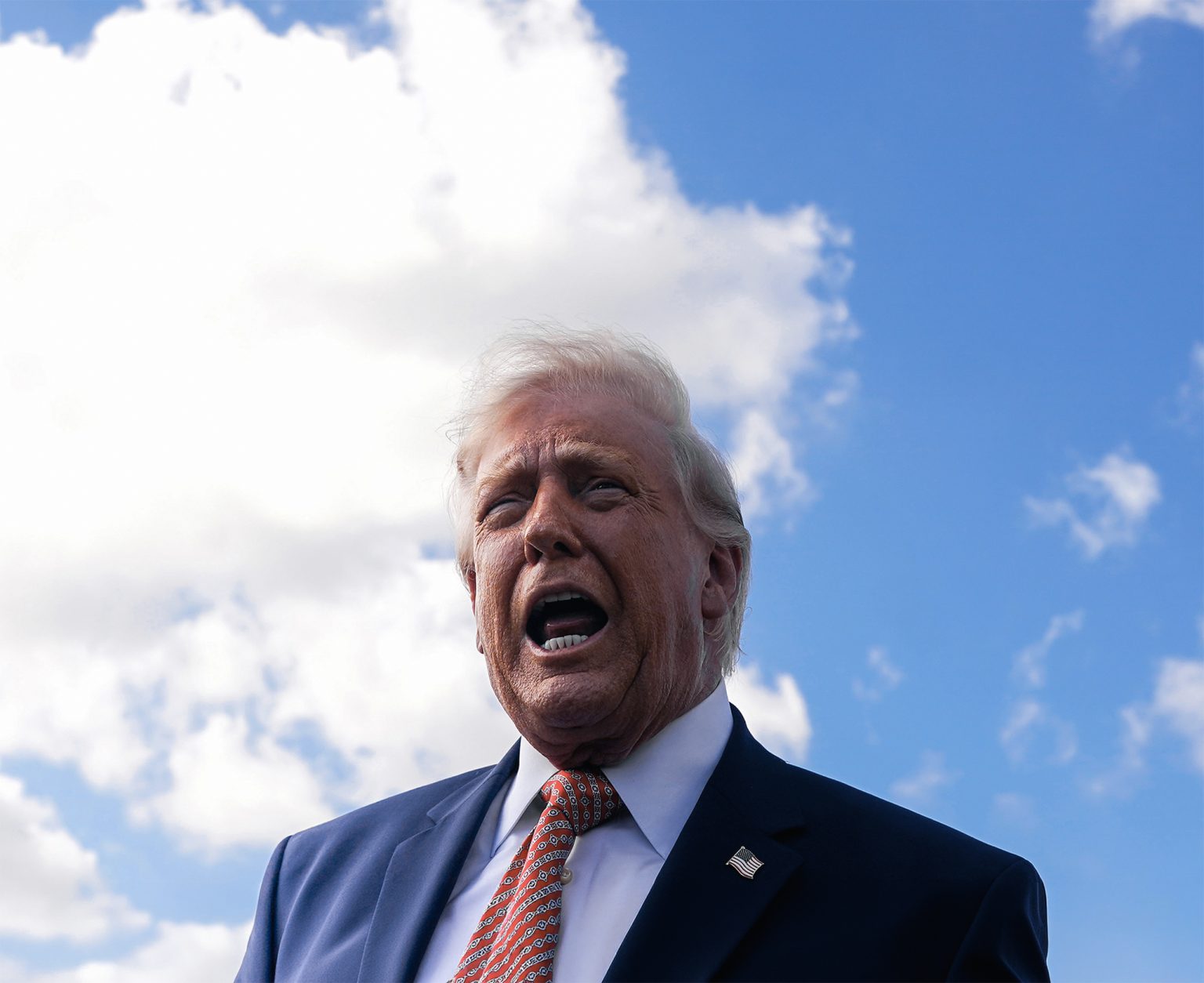
US President Donald Trump has said in an interview with Britain’s Daily Telegraph that he is seriously considering withdrawing the United States from NATO. The move would be a response to the stance of European allies, who did not back the US attack on Iran and declined to grant access to airspace or military bases.
‘I was never swayed by NATO. I always knew they were a paper tiger, and Putin knows that too, by the way,’ Trump said. He added that the question of US membership was now ‘beyond reconsideration’.
The role of NATO
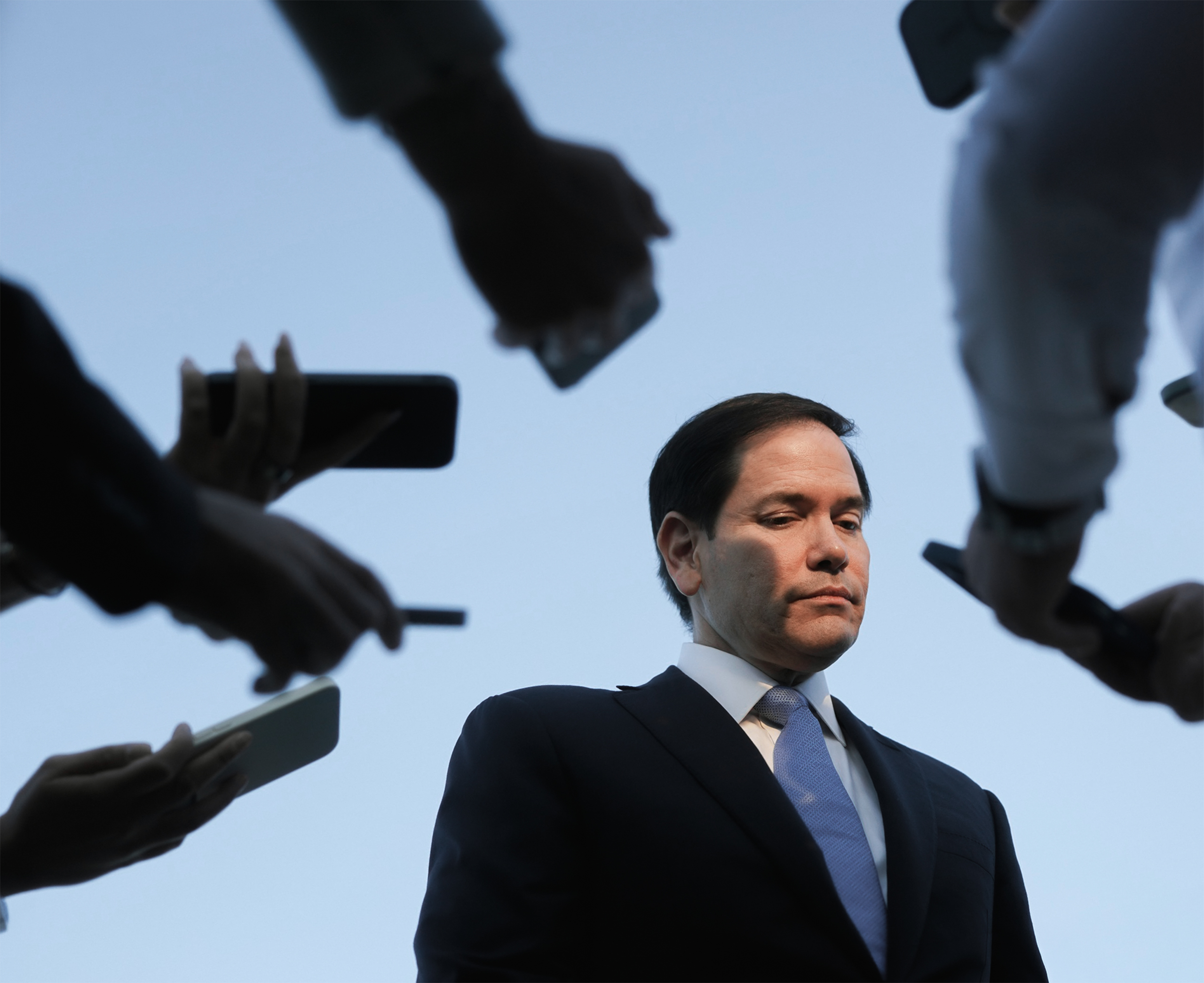
Secretary of State Marco Rubio struck a similar tone this week, while emphasising that the alliance remains useful to Washington under certain conditions. ‘One of the reasons why NATO is beneficial to the United States is it gives us basing rights for contingencies. It allows us to station troops, aircraft and weapons in parts of the world where we would not otherwise have bases, and that includes much of Europe,’ he said.
At the same time, Rubio warned that the current arrangement may need to be reconsidered if allies restrict such access. ‘If NATO is just about us defending Europe if they’re attacked but then denying us basing rights when we need them, that’s not a very good arrangement … so all that’s going to have to be reexamined.’
However, Trump cannot withdraw from NATO unilaterally under the National Defense Authorization Act (NDAA). Any such step would require the consent of two-thirds of the Senate or approval by Congress.
In December, US Congressman Thomas Massie introduced a bill calling for the United States to leave the alliance. He argued that such a move could help end the war in Ukraine, save billions of dollars for US taxpayers and reduce Washington’s involvement in foreign conflicts.
Together with former Reagan administration official Bruce Fein, he has argued that NATO lost its purpose in 1991 after the collapse of the Soviet Union and that its subsequent expansion towards Russia’s borders has only heightened tensions.
Conflict with Iran
Rubio also outlined the conditions under which the United States would end the conflict with Iran. He said Washington remained in contact with Tehran, including through intermediaries, and did not rule out direct negotiations. A diplomatic solution, he added, remains the preferred option.
The central US demand is that Iran definitively abandon any effort to acquire nuclear weapons. Rubio stressed that Tehran must take verifiable steps to end its nuclear programme and halt the production of missiles and drones, which Washington says pose a threat to the region.
At the same time, the United States rejects Iran’s claim to control the Strait of Hormuz. Rubio warned that recognising such a demand would set a dangerous precedent and endanger global trade routes. Washington, he said, would ensure that the strait remains open regardless of how the conflict develops.
Fighting between the US and Iran continues with no clear end in sight. Rubio said the operation would conclude only once Iran’s military capabilities, including its navy, air force and defence industry, have been significantly degraded. In his words, this is a matter of weeks, not months.
(reuters, max, lud)