
In the summer of 2025, the European Commission came up with a strategy for creating reserves. "The goal is to ensure that essential supplies that keep our societies running are always available," explained Hadja Lahbib, Commissioner for Preparedness, Crisis Management, and Equality. The Belgian European Commissioner defended the importance of stockpiling by saying that "the better we prepare, the less we will panic" when something happens.
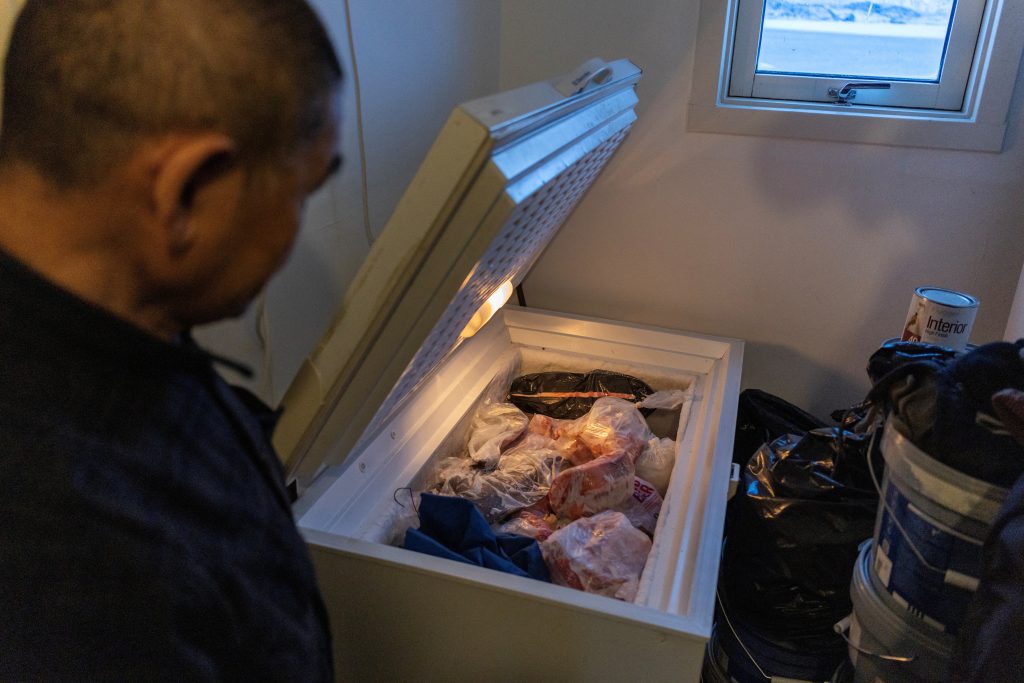
However, we cannot always rely on the state to be able to deliver the necessary emergency reserves to all citizens. The EU has therefore issued a recommendation to residents to secure their own supplies of food, water disinfectants, medicines, bottled water, diapers, hygiene products, and other essential items for three days in advance.
Fortune favors the prepared
Lahbibová, through journalists, recommended that citizens of EU member states be able to survive for 72 hours self-sufficiently, without support from the state, which may not always be able to fully meet the needs of the civilian population during a natural disaster or military invasion. The stockpiling strategy is part of Brussels' long-term effort to strengthen preparedness by 2030.
Due to fears of a possible US invasion, Greenland's Prime Minister Jens-Frederik Nielsen called on Danes on the island in January to prepare food for at least five days and to prepare for war as best they could, as the state would not be able to provide for the basic needs of its citizens in the event of an outbreak. [The threat of a military attack on Greenland should be averted after Donald Trump's speech in Davos, editor's note].
However, the Polish cabinet decided to go further and not limit itself to calling for five days' worth of food supplies or maintaining state material reserves.
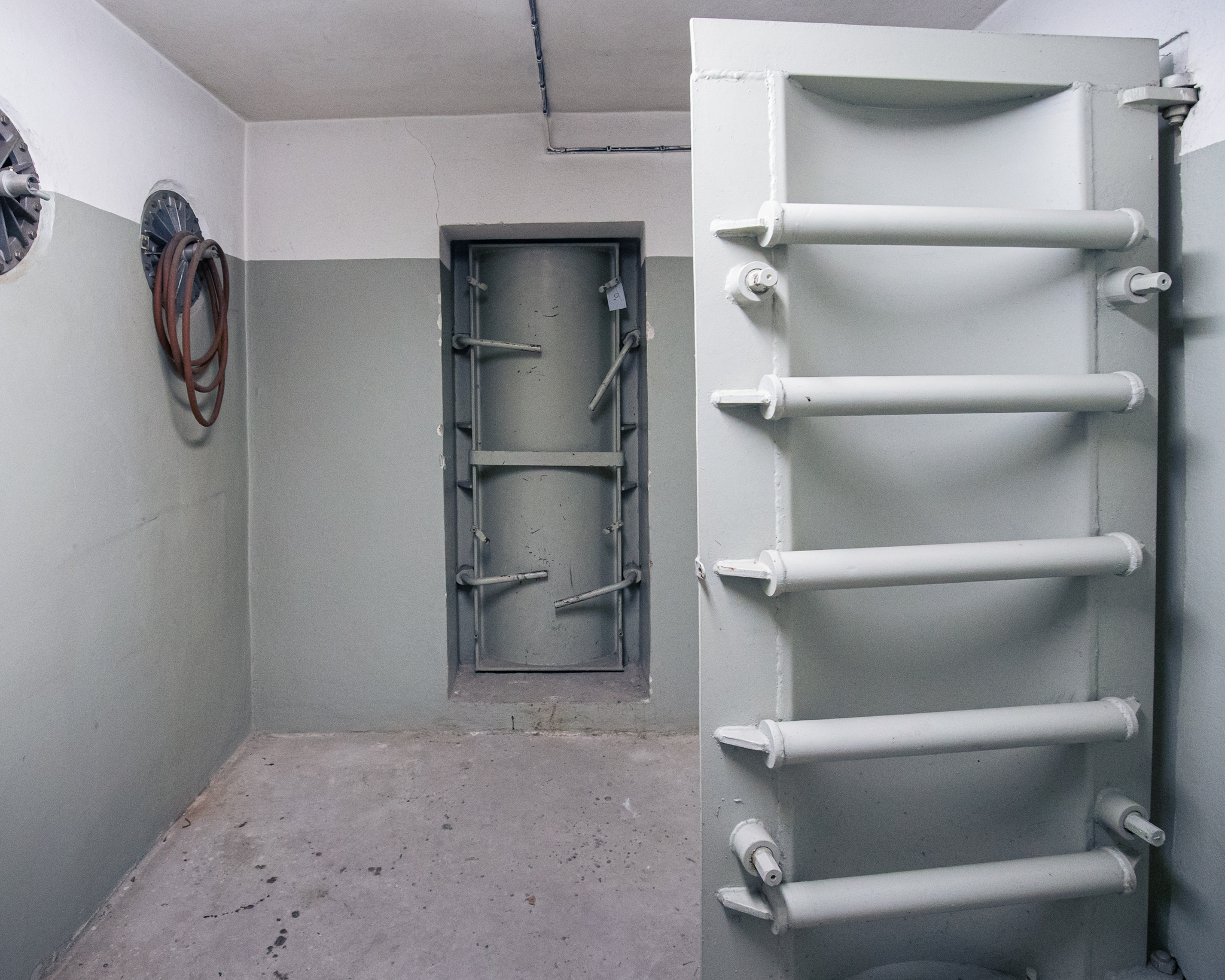
After several months of expert discussions, a civil protection law has been in force in Poland since January 2026, making it impossible to approve building projects that do not allow for the establishment of temporary shelters. For this purpose, underground garages or cellars, for example, must be adapted.
Shelters must be equipped with adequate ventilation, emergency exits, connections to utility networks, waste disposal systems, and survival supplies. In addition to fire resistance, emphasis is placed on resistance to shock waves, various projectiles and drones, and resistance to gamma radiation from nuclear bombs.
It should be noted that in an interview with American journalist Tucker Carlson on January 15, Sergei Karaganov, advisor to the Deputy Head of the Foreign Policy Department of the Presidential Administration of the Russian Federation, mentioned the Polish city of Poznań as a possible target for a Russian nuclear warhead.
He first did so in 2023, when he mentioned that the "gift of the Almighty," as Karaganov calls the nuclear bomb, could strike Poznań. It should be noted that Poznań is also one of the best-prepared Polish cities in terms of conventional military threats.
Man, help yourself...
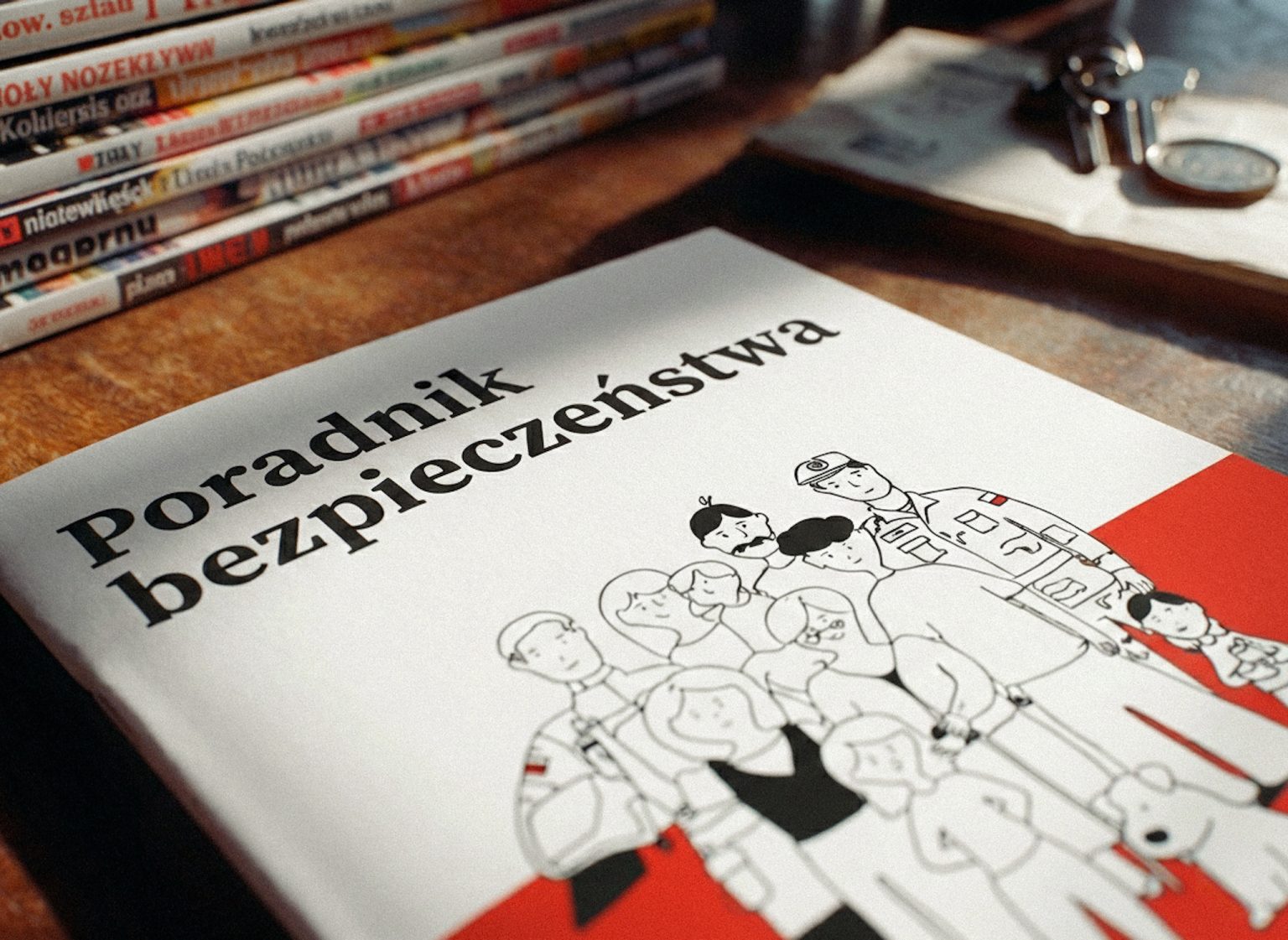
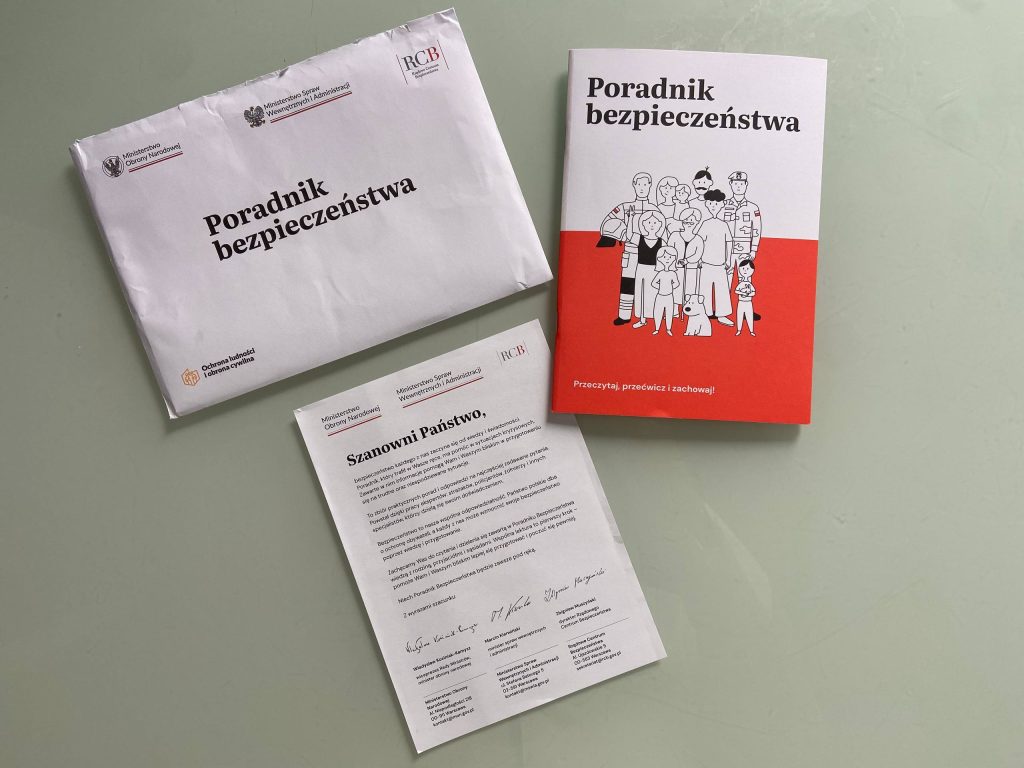
Since the end of summer 2025, a safety guide has also been available on the government portal. During January 2026, it will gradually be distributed in printed form to every household in the country, which is a unique step within the European Union.
The first copies were distributed to residents in provinces bordering Russia, Lithuania, Belarus, Ukraine, and Slovakia. Shortly after mid-January, copies were delivered to most households. The handbook was published under the auspices of the Ministry of Defense and the Ministry of the Interior, whose heads address citizens in an accompanying letter. "Safety is our shared responsibility," they write.
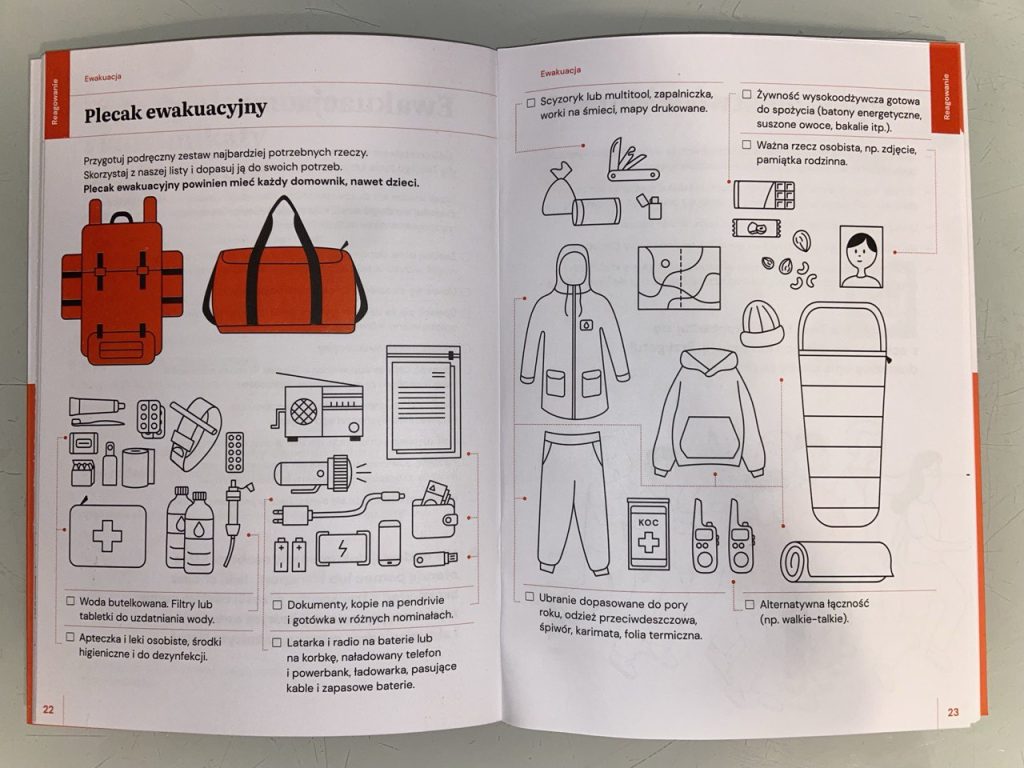
In addition to information on food storage and the contents of an emergency backpack necessary in case of evacuation, the guide contains procedures on how to deal with natural disasters, the consequences of cyber attacks or sabotage, and finally, open military invasion. The booklet does not forget animals or the most vulnerable members of society: pensioners, children, and the chronically ill.
The publication also explains the role played by local governments and individual state institutions in crisis situations, from rescue services to the Armed Forces of the Republic of Poland. However, as the Gazeta Prawna portal points out, the handbook "also emphasizes that security is not solely the responsibility of the state, but a shared responsibility of citizens."
High rating
Some security agencies recommend familiarizing yourself thoroughly with the guide and praise its clarity. In television programs, experts such as firefighters, military experts, and survival specialists praise the manual. The latter emphasize, for example, that a separate chapter is devoted to emergency backpacks and their contents.
Let us recall that in July, personal protection specialist and security analyst Vladimír Šajánek specified for Štandard what such a backpack should contain and how to prepare a backpack for the evacuation of individual family members.
Long-time firefighter Przemysław Rembielak currently works for the Association of Independent Fire Protection Experts and is involved in civil defense training. He told the Polish portal Onet that the value of the brochure is enhanced by the fact that the authors did not neglect personal vehicles or animals in connection with crisis situations.
"After the Russian invasion of Ukraine, I was in charge of a transport center in Warsaw, and it turned out that the number of animals arriving with their owners was similar to the number of people. Dogs, cats, but also rabbits, snakes, and spiders were traveling in wagons from Ukraine," recalls the distinguished firefighter.
The only objective shortcoming of the manual is the absence of a picture that would clearly show how to use a fire blanket. According to Rembielak, countless exercises with the public show that the vast majority of people use fire blankets incorrectly and end up setting themselves on fire.
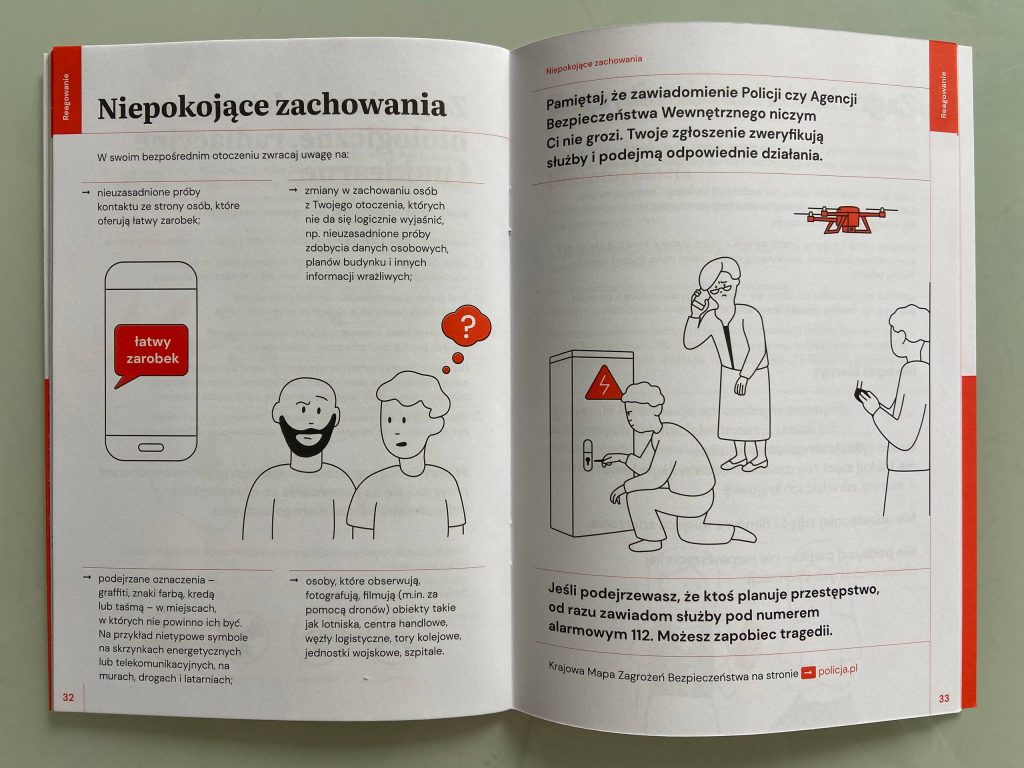
The manual also advises what to do when there is no toilet, how to behave during air raids, and what a truly useful first aid kit should contain. It also explains what to do if you notice possible saboteurs near critical infrastructure.
And what about elsewhere?
In terms of citizen preparedness, Scandinavian countries are leading the way, as they are in the area of active reserves. For example, as part of its "total defense" strategy, Sweden sent its citizens a handbook entitled "In case of crisis or war" in the fall of 2024, and civil defense groups offer survival courses several times a month.
Similar measures have also been taken in recent years by Denmark, Norway, and Finland, although the Danes and Finns had to make do with a digital version of the handbook, as did the Germans and Irish. In Central Europe, Prague followed Warsaw's lead, and in November, the Czechs received a handbook similar to the Polish one.
While Hungary has no similar handbook in either printed or digital form, Slovakia has made similar guidelines available on the Ministry of the Interior's website, free to download in Slovak, Hungarian, Rusyn, and English. There are currently 200,000 copies in print, which are distributed mainly through district offices, client centers, and schools.