
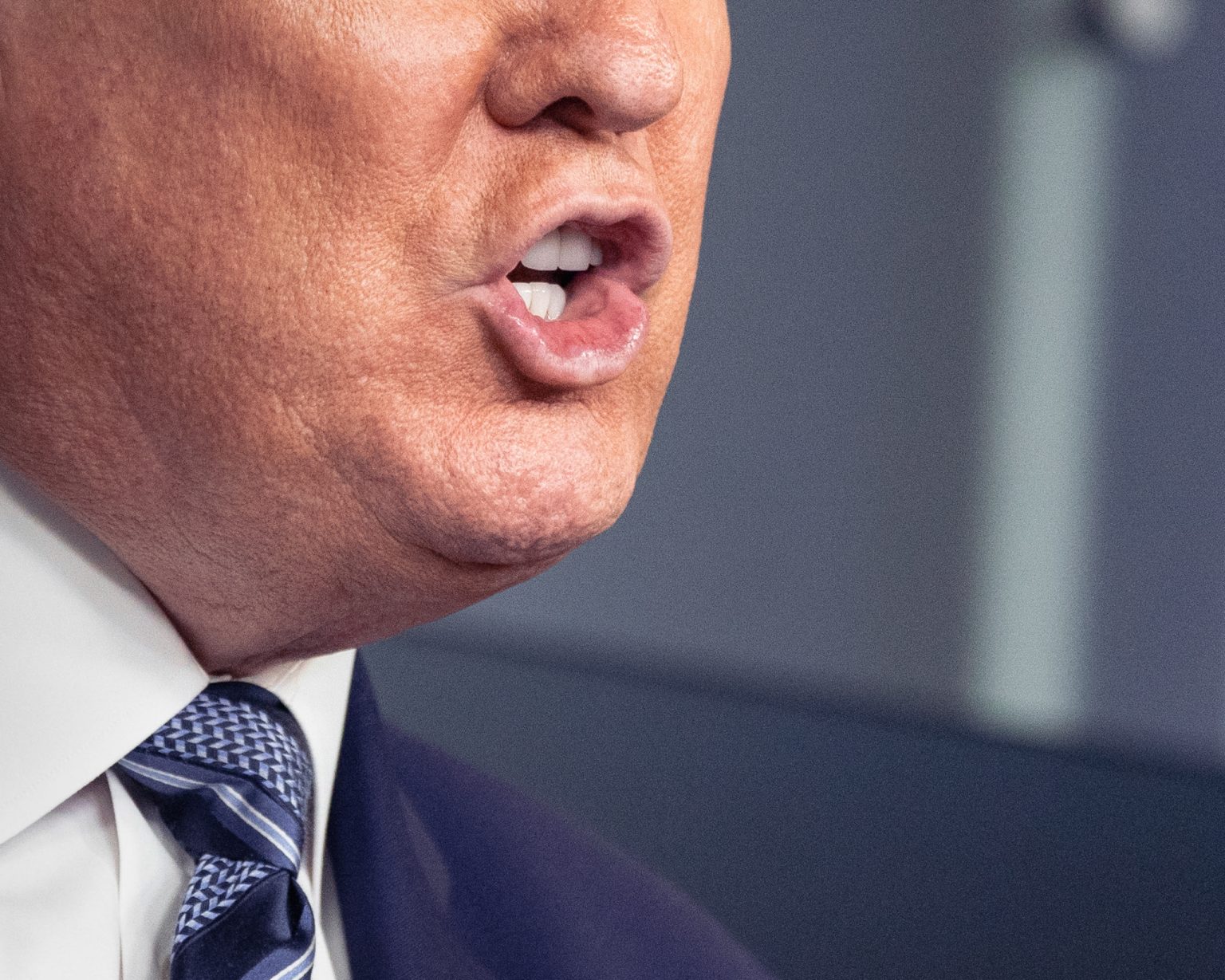
US President Donald Trump has repeatedly stated publicly that he does not rule out the use of military force to occupy Greenland. According to Trump, Greenland is "important to America's national security and strategic interests" and there is currently "a large Russian and Chinese presence" in the area. Trump has announced that he would use force if the US were unable to "buy" Greenland through a one-time financial compensation payment to local residents.
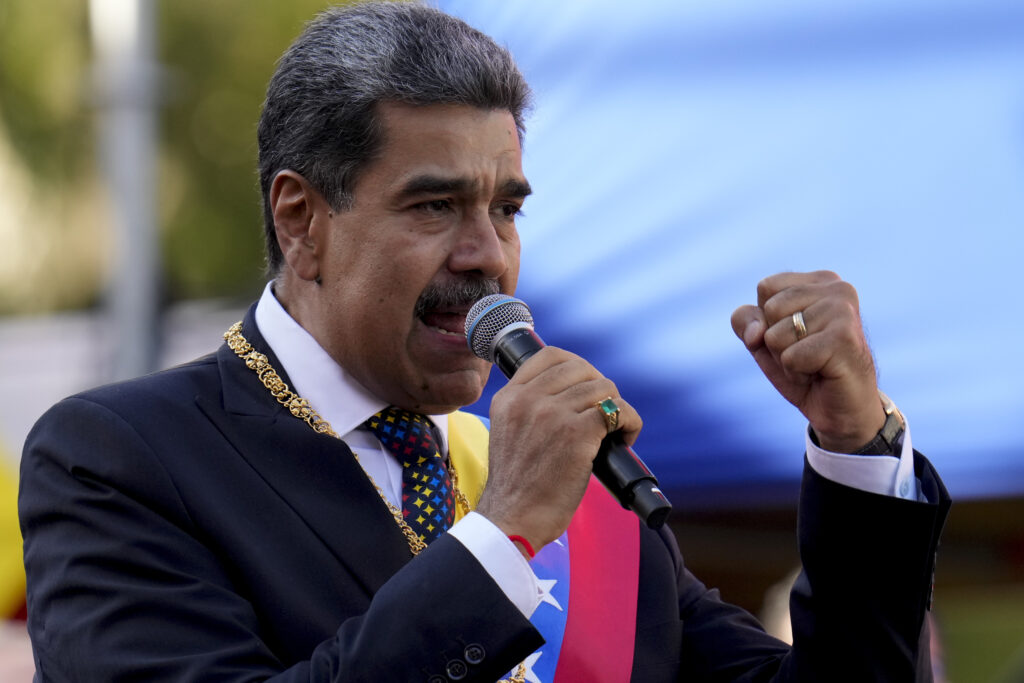
The world would not take Trump's statements so seriously if the US had not attacked Venezuela with a military operation and abducted its president, Nicolás Maduro, and his wife so that he could be prosecuted on suspicion of narco-terrorism and other crimes. The real motive for the attack, according to Trump himself, was the country's oil reserves and the installation of an "obedient" government.
Trump does not need international law
In the context of other global actions, Donald Trump's words on the issue of violating international law in the case of Venezuela must also be taken very seriously, namely that "he does not need international law, which depends on interpretation, and he is guided by his own morality."
This apparent violation of international law and use of armed force against another state raises concerns about how far Trump is willing to go to achieve his goals. With the possible military occupation of Greenland, which belongs to Denmark, he would be attacking the territory of a NATO member state, of which the US is the strongest member.
The paradox is that the US president would not only violate the NATO treaty, but also existing bilateral defense treaties between the US and Denmark, which date back to 1949, and in the case of Greenland, to 1951, and were revised in 2004. The 1951 treaty states that the US will establish a military air base in Greenland, called Thule, to protect Greenland. The US and Denmark are therefore long-term allies, also on the basis of their own bilateral treaties.
Military intervention and occupation of Danish territory (although Greenland has been self-governing since 2009 and called for independence in 2023) would thus mean the de facto end of NATO.
Concerns of European leaders and preparations for invasion
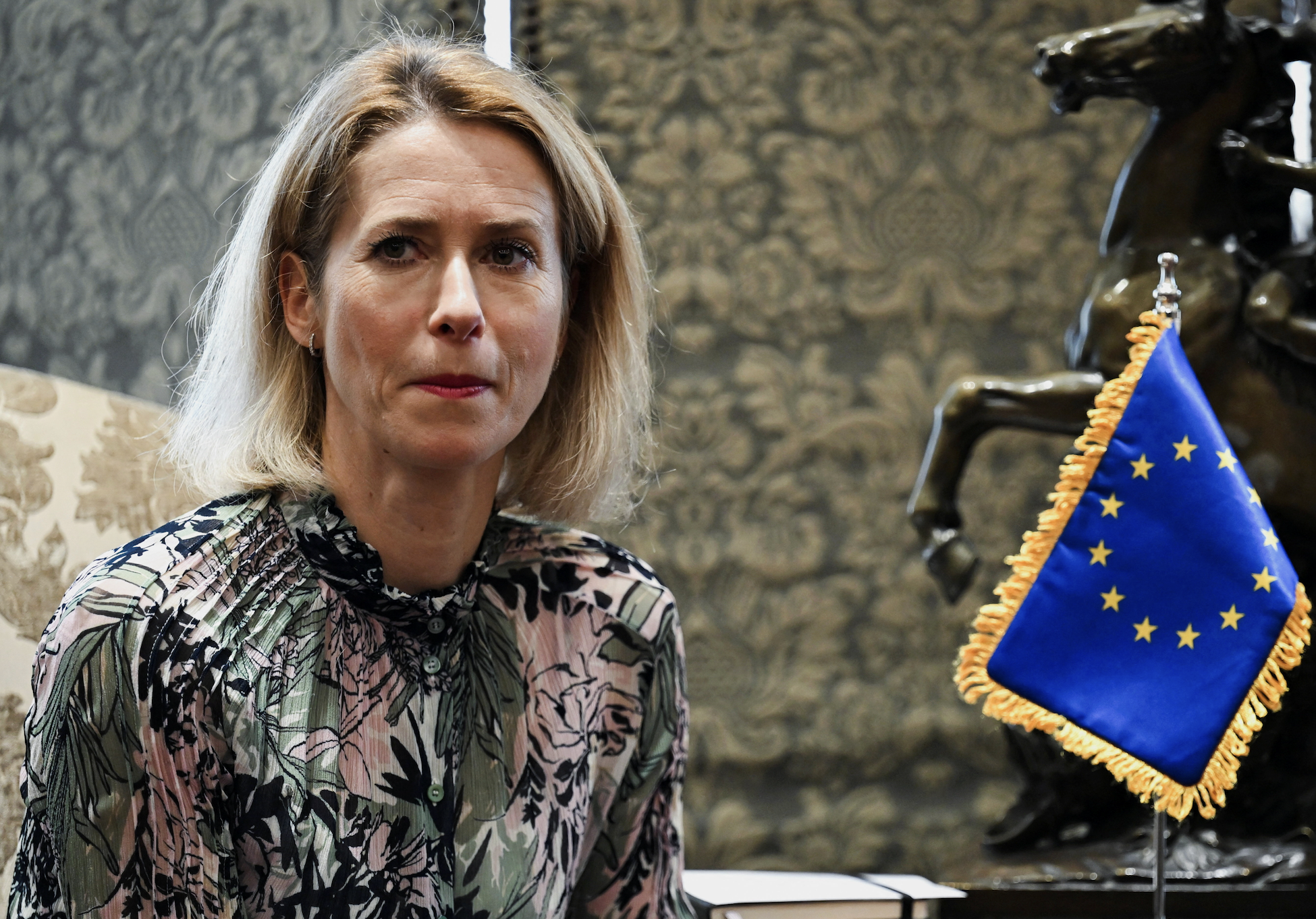
This would not only be a translation of Danish Prime Minister Mette Frederiksen's political statement into reality. Italian Prime Minister Giorgia Meloni has also spoken of the threat to NATO's unity, and other allies preparing for a possible invasion have also expressed serious concerns.
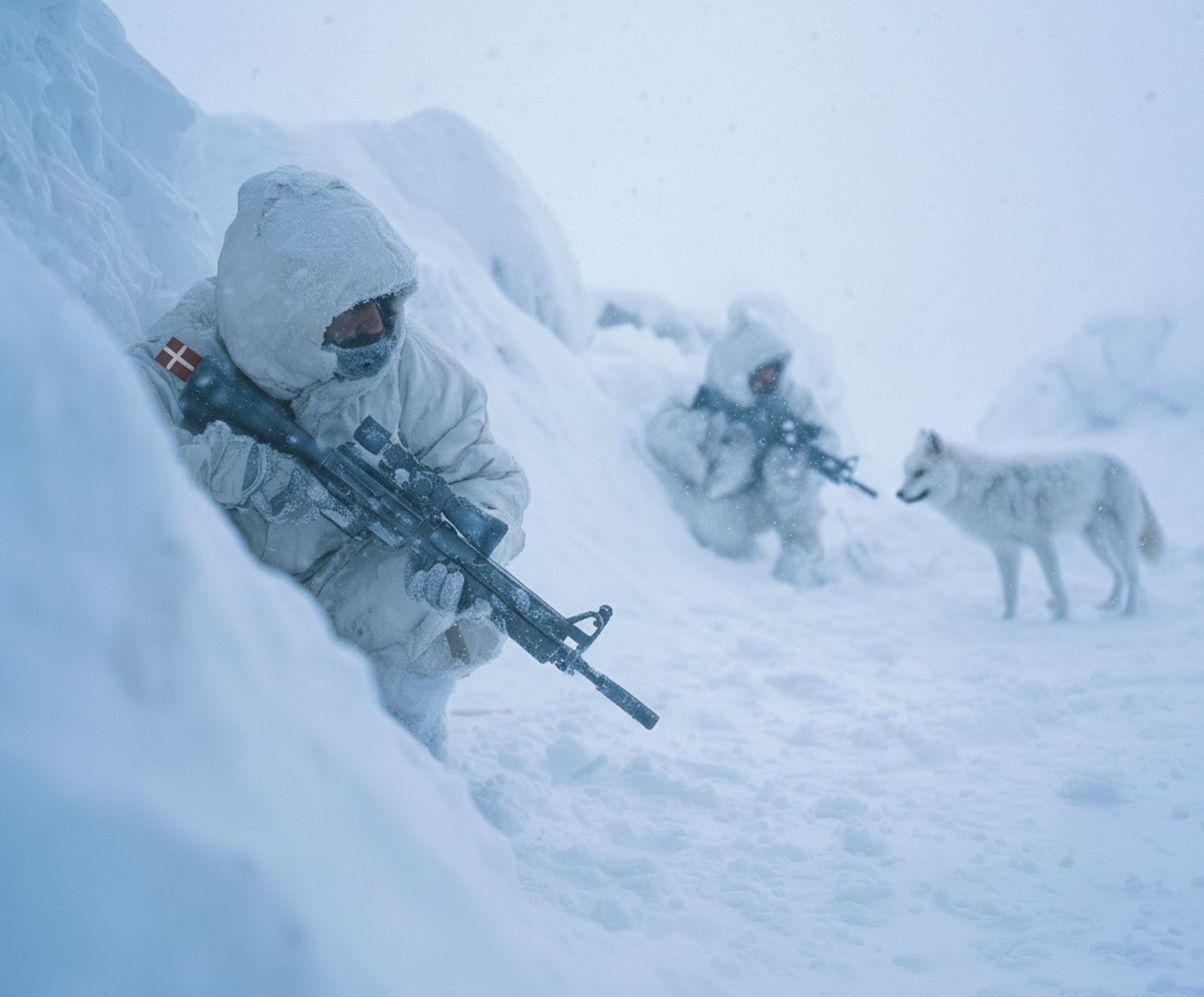
Denmark itself takes the US threats seriously and has allocated 88 billion Danish kroner ($13.8 billion) to rearm Greenland in view of "the serious security situation we find ourselves in."
As a member of NATO, Denmark can, in theory, rely on the North Atlantic Treaty, according to which "an armed attack against one member is an attack against all members" (Article 5), and other allies will come to the aid of the attacked party.
Paradoxes and precedents of the North Atlantic Treaty
In practice, however, the activation of Article 5 of the treaty requires the consensus of all Alliance members, which the United States can simply veto. The NATO treaty does not contain an article under which it would be possible to "expel" a member of the Alliance for such an attack. Another problematic aspect is the fact that the treaty does not contain explicit provisions for cases where the attack comes from another member.
In practical terms, this could again mean (in Trump's imperialist view of the world) that the US could also demand help from its allies if one of the NATO members attacked it in response to the occupation of Greenland. This would create an absurd situation in which European allies would have to choose between loyalty to the US and defending Danish sovereignty.
Historical precedents provide only partial guidance on how to proceed in the event of a US attack on Greenland, as no full-scale attack between NATO members has ever taken place. The Turkish invasion of Cyprus in 1974 represented an armed conflict between two members of the Alliance – Turkey and Greece. At that time, the Alliance preferred a diplomatic solution to the activation of Article 5.
The so-called "Cod Wars" were maritime conflicts between Iceland and the United Kingdom (both NATO members) over the extension of their territorial waters and the enforcement of these boundaries.
During these "wars," there were deliberate collisions between Icelandic and British Navy ships, as well as live fire and the detention of ships. In this case, too, NATO did not invoke collective defense against any of the conflicting countries.
Another precedent can be seen in the 1956 conflict, when Great Britain and France (NATO members) attacked Egypt (during the Suez Crisis), which the US strongly condemned. Due to Washington's unwillingness to participate in the invasion of Egypt, the countries ultimately refrained from full-scale military intervention.
A military response to the invasion is unrealistic
However, in terms of NATO military intervention against a US invasion of Greenland, the chances of this happening are minimal. NATO armies do not have technological or technical superiority over America, and it is unlikely that any of the allies would dare to resist by force.
This scenario is also anticipated by Trump's senior advisor Stephen Miller, who suggested that no European country would be prepared to fight to protect Greenland, adding that "Greenland should be part of the US."
Military analysts also point out that the US has enough military bases across the continent that it could theoretically use them to invade a "rebellious" NATO member from within its own ranks.
In such a case, it is indeed questionable whether the allies would remain united in their support for the attacked countries, or whether some countries would side with America as the significantly stronger world power.
A separate aspect of the anticipated conflict would be the fact that Europe is currently preparing for military conflict with Russia. NATO would thus have to deal with turning against one of its own members—the US—but it would also have to consider the broader security implications of breaking away from the strongest member of the alliance, especially in view of a potential attack by the Russian Federation.
In this case, too, it is necessary to consider whether some countries would be willing to "exchange" Greenland's territory for security under the protective wing of the US, which would also intervene in the event of a Russian threat.
The collapse of NATO will be the result of weak European leaders
All of the above scenarios have one thing in common. The defense alliance would collapse, and the only realistic scenario for its preservation would be to gradually force Denmark to recognize Greenland's independence. In that case, the US could legally occupy the territory—at the invitation of the new government, of course.
The whole process would be carried out through a free association agreementwith Greenland, creating a relationship in which the territory would be self-governing but at the same time closely linked to the United States in terms of economic aid and defense.
A realistic version of events in which NATO would remain as we know it today is almost impossible in the event of armed conflict in Greenland.
Finally, it is important to realize that even the US directs its military actions against countries where it is certain that it can easily achieve its goals. If they consider Denmark, a NATO member, to be such a country, it is quite obvious how much they "fear" the collective defense of Europe.
America has no major concerns about resistance or active counterattacks in the case of Greenland, as it sees that without its military power, the very foundation of European security, including towards the east, is questionable. Trump also perceives European leaders as weak and incapable of action. All this confirms his belief in the unpunished expansion of the American empire.
Trump tested the reaction of the democratic world in Venezuela. Nothing significant happened, and the otherwise extremely combative defenders of international law and democratic principles merely muttered a few vague phrases about violations of the law.
So why not continue if there are no consequences?
This action is perhaps best summed up by a statement from Trump's advisor Stephen Miller: "We are a superpower. And under President Trump, we will act like a superpower."