
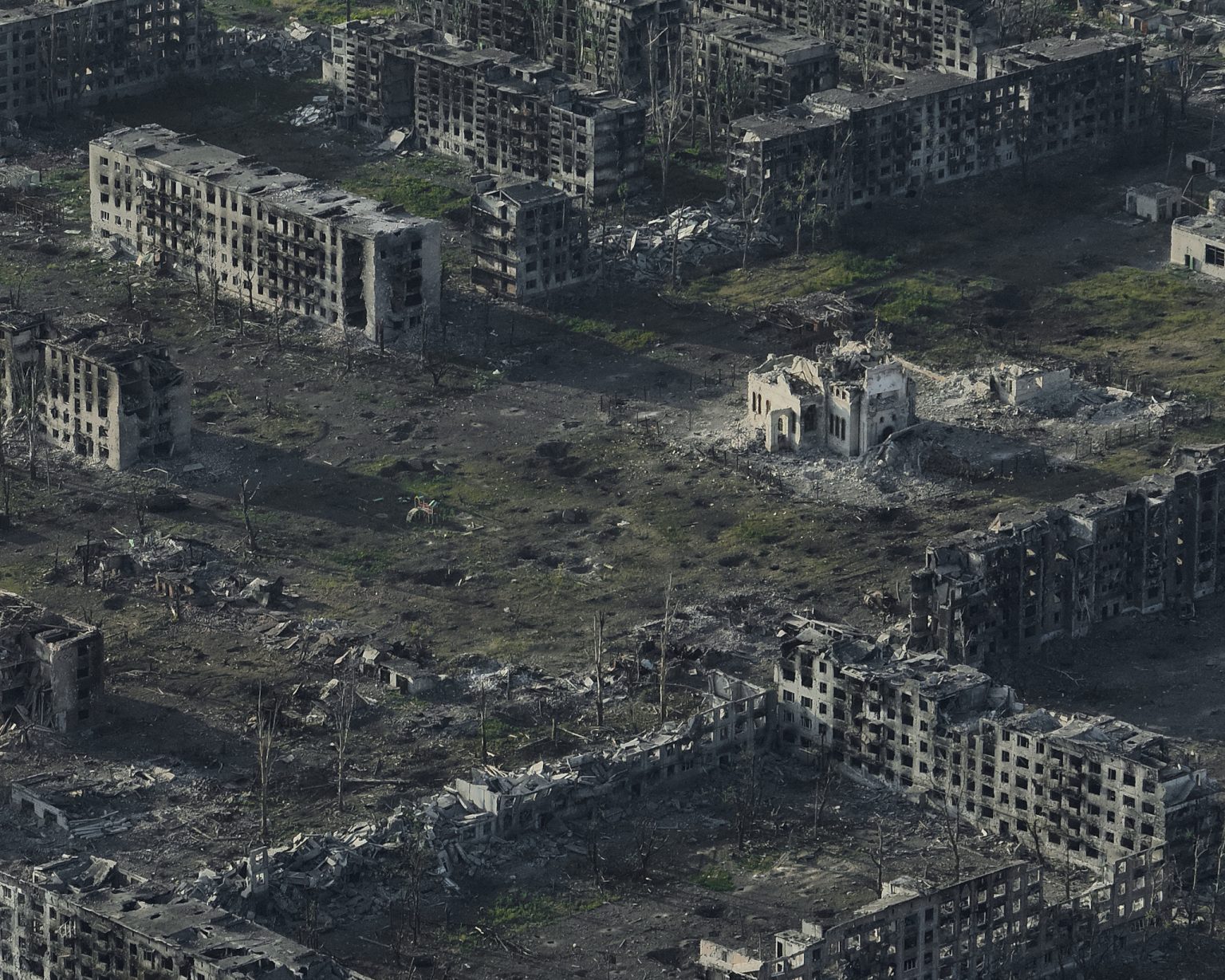
The Kremlin said on Friday that Russia and the United States were making progress in peace talks on Ukraine and that Moscow was ready to continue working with the current U.S. team.
Such statements do not leave Ukraine cold. The embattled state fears that world powers will decide without it.
"We still remember the names of those who betrayed future generations in Munich. This must never happen again. Principles must remain sacrosanct and we need real peace, not concessions," Ukrainian Foreign Minister Andriy Sybiha said on Thursday, referring to the 1938 agreement with Nazi Germany.
"We must protect Volodymyr"
Although U.S. President Donald Trump says it "takes two to tango" in reference to peace, Europe fears the "dance" won't even happen.
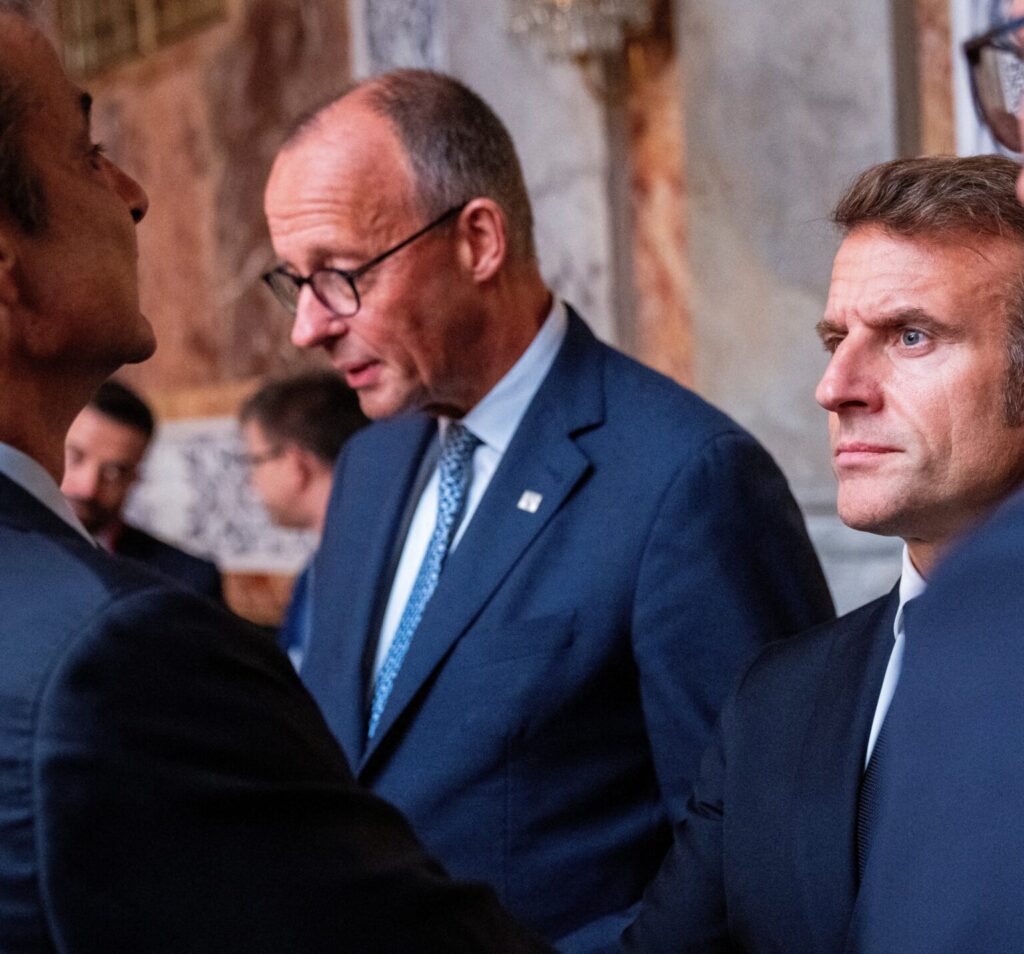
This is confirmed by Thursday's leak of an alleged transcript of a conversation between top European politicians.
The German media outlet Spiegel reported that government leaders on the old continent apparently deeply distrust the US in peace negotiations with Russia and Ukraine. And they made that clear to Zelensky as well.
French President Emmanuel Macron reportedly warned the Ukrainian president and other European leaders in a confidential phone call.
"There is a possibility that the U.S. will betray Ukraine on the issue of territory, without clear security guarantees," Macron said, according to a transcript of the conversation, adding that Zelensky was in "great danger."
German Chancellor Friedrich Merz, for his part, reportedly remarked that Zelensky must be "extremely careful in the coming days." "They are playing games with you as well as with us," Merz apparently suggested, in an apparent reference to the two US envoys - Steve Witkoff and Jared Kushner - who earlier this week discussed the terms of peace with Vladimir Putin on behalf of the White House.
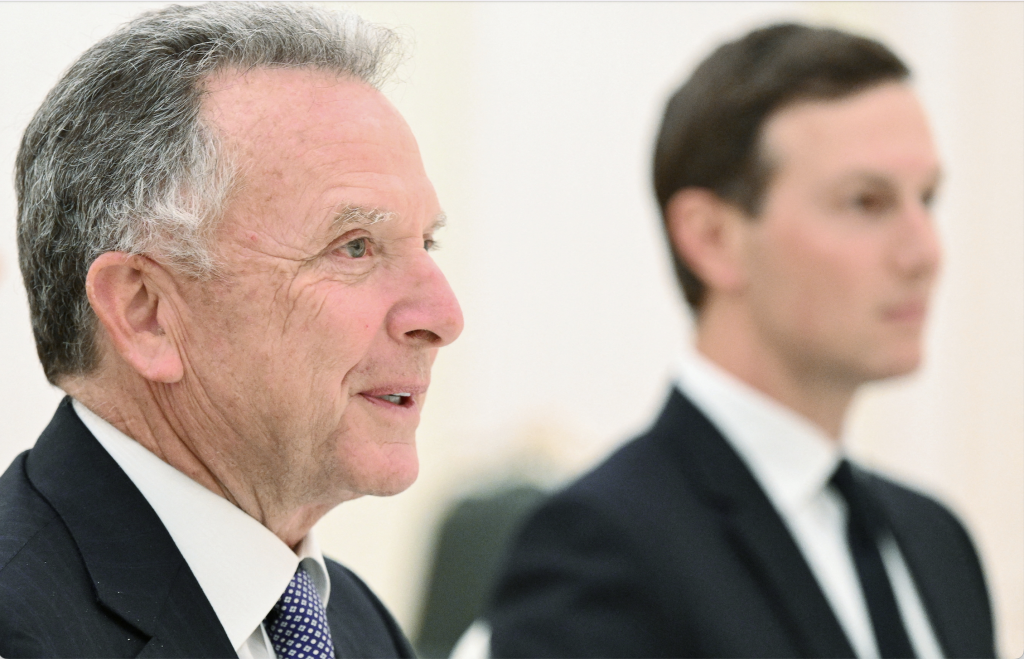
"We must not leave Ukraine and Volodymyr alone with these guys," Finnish President Alexander Stubb said at one point in the conversation, according to the documentary. NATO Secretary General Mark Rutte subsequently added that they "must protect Volodymyr," according to the written record.
The Elysee Palace has denied the authenticity of the recording of Monday's phone conference. The remaining participants reportedly confirmed anonymously to Spiegel that the transcript was correctly reproduced, but would not confirm individual quotes.
Europe has again been omitted
The two U.S. envoys spoke with Putin for five hours on Tuesday. The Kremlin chief accepted some demands and rejected others. Trump described the outcome as "pretty good" and Moscow noted that negotiations were continuing.
According to a leaked transcript of the conversation, the European prime ministers were hopeful that Witkoff and Kushner would make a stop in Europe on their way back from beyond the Urals. Merz suggested that he would ask Trump to send Witkoff to Brussels. Although the leaders had reportedly already discussed whether it would be better to meet at NATO headquarters or EU premises, the two envoys merely flew over the old continent. Also in Miami on Thursday, they met with the Ukrainians without the Europeans.
The latter have been in a major tailspin since mid-November, when information about Trump's forthcoming 28-point plan was leaked. When the US bypassed them in the peace process, they arranged meetings in Geneva with a US delegation led by Secretary of State Marco Rubio and with Ukrainian representatives.
As a result, they appealed and still insist on compliance with the points that Russia disagrees with. That Ukraine cannot lose as much territory as Russia is demanding, cannot reduce the number of troops so much and cannot agree to a ban on joining NATO.
European Defence Commissioner Andrius Kubilius told Politico on Thursday that the time has come for Europeans to stop following Donald Trump's lead and instead develop their own peace plan for Ukraine. He called it "very necessary" for local politicians to have a seat at the negotiating table.
"We should be able to discuss two plans: one European and one perhaps prepared by our American friends," he said. The aim would be to "find synergies between the two plans and achieve the best possible outcome".
And not only that.
Frozen Russian assets
"Together we want to push in Brussels to use frozen Russian assets," Merz announced.
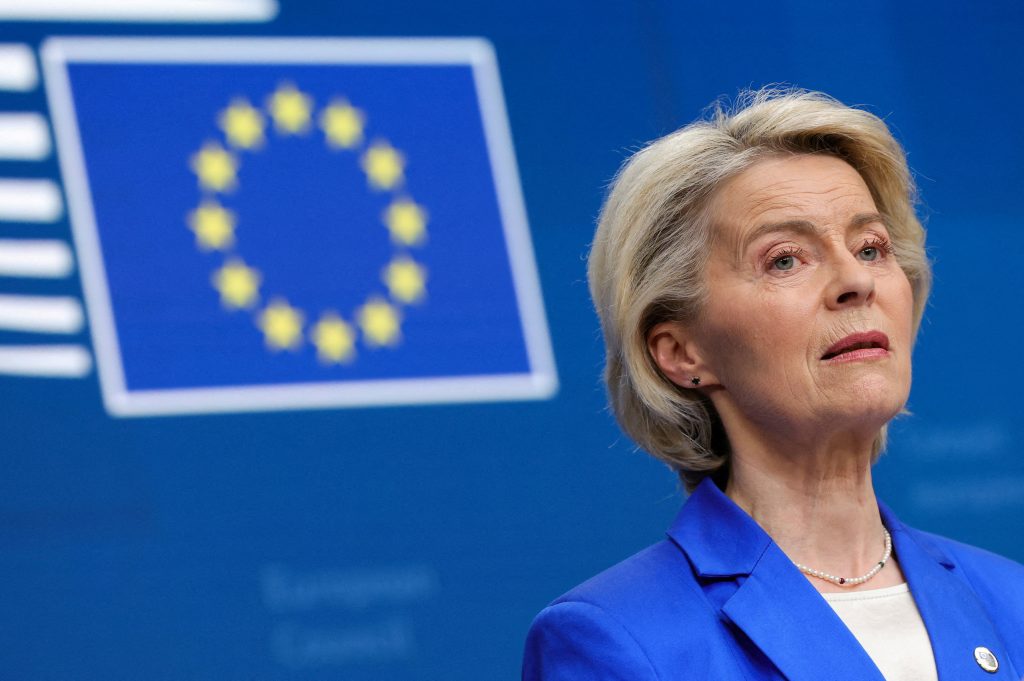
On Wednesday, European Commission President Ursula von der Leyen presented two options to further financially support Ukraine. In particular, a plan to use 90 billion of frozen Russian assets for a loan to Ukraine, which would only repay them once Moscow pays it post-war reparations, has attracted attention, something many critics consider unrealistic.
Leyen is proposing to use emergency powers under Article 122 to override the vetoes of countries such as Slovakia, Hungary and Belgium, which hold most of Russia's assets in the Euroclear depository.
In such a case, only a qualified majority of states would agree to a loan to Ukraine at the 18 December summit.
This legal mechanism has never been used by the Union in an area overlapping with the common security and foreign policy. There, decisions are taken unanimously.
According to European lawyers, there is a risk of litigation and it is not impossible that the measure could eventually be revoked. One senior EU official told the Financial Times: "If you ask me if we are going head on against the wall, the answer is yes."
Belgium has steadfastly refused, arguing that a loan tied to future reparations is legally and financially risky and has never been used before. Merz will therefore persuade Belgian Prime Minister Bart De Wever to turn around at a private dinner on Friday.
Bloomberg, citing European diplomats , said the U.S. has lobbied several member states to block the plan. According to US officials, the assets are needed to secure a peace deal and should not be used to prolong the war.
Ukraine is mired in an internal crisis
Without these assets, however, Ukraine risks running out of money early next year.
And it faces an internal political crisis. Just days before key negotiations, Andriy Yermak, the head of Zelensky's office, resigned amid allegations that he was part of a hundred-million-dollar scam in Ukraine's energy sector.
Zelensky announced on Thursday that he would soon appoint Yermak's successor.
While Europe fears the U.S. will throw Ukraine overboard, top U.S. officials, led by Trump, say peace is not yet in sight. This is illustrated by Thursday's statement by US Vice President JD Vance, who described the Russia-Ukraine war as "a source of continuing frustration for the entire White House".